



In short
A Solana network upgrade that raises throughput and cuts fees is real progress for the network. It is rarely a clean trigger for SOL price. Markets tend to price expected news before it lands, so the chart often moves on the rumor and fades on the release. Traders who buy the headline late frequently buy the top of a short move. The upgrade matters for adoption over months. Your entry today depends on positioning, funding, and where liquidity sits, not on the press release. Treat the news as context, not a signal.
What the upgrade improves: speed and cost
A Solana upgrade usually targets two things: how many transactions the network can process and what each one costs. Higher throughput and lower fees make the chain cheaper to build on and cheaper to use.
Solana already settles thousands of transactions per second at fees measured in fractions of a cent, per the network’s own documentation. An upgrade pushes that further and smooths out congestion.
That is genuinely good for adoption. More builders, cheaper users, smoother apps. None of it tells you where SOL trades on Friday.
What is different here
The ParadiseTeam reads live positioning across all major exchanges before we treat any upgrade as a trade. The tape usually front runs the announcement.
Why do fundamentals and price move on different clocks?
Because fundamentals compound over months while price discounts expectations in advance. A faster chain earns users slowly, quarter by quarter. Price, by contrast, moves the moment the crowd agrees on a story. So the upgrade can be a strong multi month tailwind while the near term chart trades on positioning and flows.
Think of two clocks. The adoption clock ticks in quarters. The price clock ticks in hours. They rarely chime together.
| Improves over months | Moves price this week |
|---|---|
| Developer activity | Perpetual funding rates |
| User and fee growth | Liquidation clusters |
| App ecosystem depth | Spot and futures positioning |
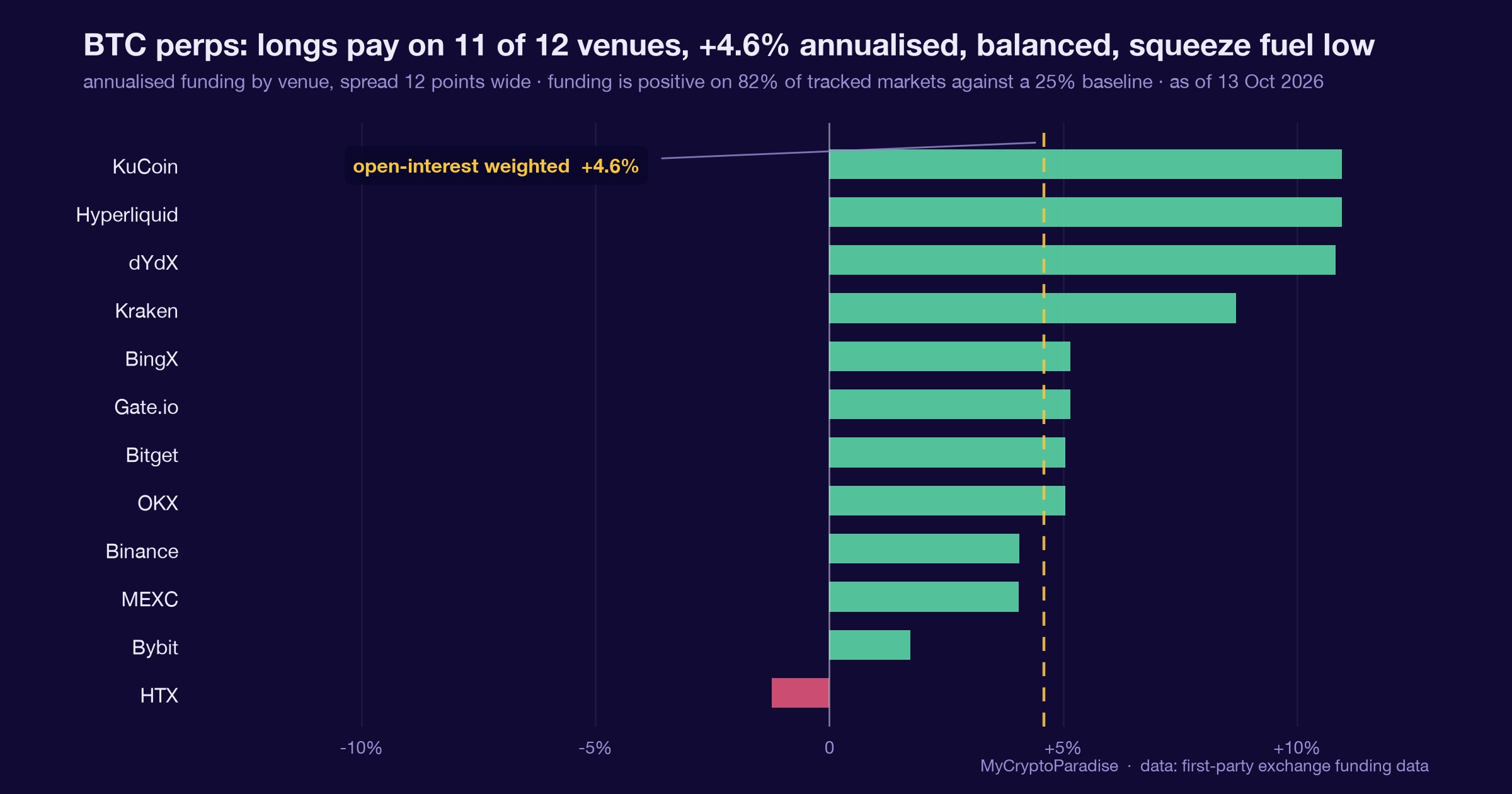
The right column is where a weekly SOL move is decided. It is worth learning how funding rates read and where liquidation clusters sit before you lean on any headline.
The Ethereum Merge in 2022 is a textbook case. It was a major, well flagged upgrade that was followed by a price decline. Expectation had already done the buying.
The mechanics of buy the rumor, sell the news
Here is the pattern. Traders position ahead of an expected upgrade. By the time the news is official, the buyers who wanted in are already in. New buyers arriving on the headline meet sellers taking profit. Price stalls or fades even though the news was good.
This is what buy the rumor, sell the news means in practice, a well documented market pattern. By the time a good upgrade is official, the chart has usually read the memo weeks earlier.
It does not happen every time. Sometimes news genuinely surprises and price gaps higher. The point is probability, not certainty. A well telegraphed upgrade is the weakest kind of catalyst, because everyone saw it coming and everyone is already priced in.
How do you frame a SOL setup without leaning on the headline?
Start from the tape, not the story. Ask what positioning, funding, and liquidity are telling you, then check whether the upgrade adds or removes risk from that read. The headline becomes one input among several, never the trigger itself. If the setup only works because of the news, it is usually not a setup.
A simple order of operations keeps you honest:
- Read positioning and funding before the price, not after.
- Mark where liquidations cluster above and below.
- Size for volatility, not conviction.
- Define your invalidation level before you enter.
- Treat the upgrade as context, never as the signal.
If you want to see how a live positioning read looks against a coin like SOL, try the explorer below.
Where does the risk sit if you trade the upgrade?
The main risk is buying a move that already happened. Good news that everyone expected tends to be fully priced, so a late entry chases exhaustion rather than opportunity. The second risk is size. Crowded, well hyped events invite over positioning, and over positioning is what liquidation cascades feed on.
We have watched this in other names. When the alt crowd pays to chase, funding stretches and the reversal hurts the latecomers most.
Faster and cheaper is good for the network. Whether it is good for your entry today is a separate question, and the tape usually decides before the press release.
Frequently asked questions
Do network upgrades ever move token price?
Yes, sometimes. An upgrade can move price when it genuinely surprises the market or unlocks demand nobody had positioned for. The problem is that most upgrades are announced months ahead, so the move often happens before the release. A surprise catalyst matters. A well telegraphed one usually does not.
What does buy the rumor, sell the news mean for SOL?
It means SOL can rally into an expected upgrade and then fade once it ships. Buyers position early on the story. When the news is official, they take profit into latecomers. If you arrive only on the headline, you are often the exit that early buyers sell into.
Should I buy SOL because of a faster, cheaper network?
Base the decision on the setup, not the slogan. A faster, cheaper chain helps adoption over months, which is a real long term tailwind. It does not tell you where SOL trades this week. Check positioning, funding, and your invalidation level first, then decide whether the upgrade adds anything to that read.
How is a good upgrade still bad for a late entry?
Because good, expected news is usually already in the price. A late entry buys exhaustion at the end of a move rather than the start of one. Crowded events also invite heavy positioning, and heavy positioning is exactly what sharp reversals and liquidation cascades feed on. Timing and size decide the outcome.
Crypto trading involves substantial risk and is not suitable for everyone. Nothing here is financial advice; it is education only. Never risk more than you can afford to lose.

Join the discussion 11
wonder if the macro picture just outweighs network upgrades these days... fed not cutting rates, usd liquidity still draining... what moves these things now?
thats part of it Nadia i think exchange flows show stablecoin demand is softening too its not just macro
I wonder if maybe some of this *is* priced in, but I'm not sure how much... because how much could people really know before it happens? 🤔 It's all so quick...
Yeah, it's tricky to know how much is priced in when the news moves so fast! 🏃♂️ I wonder if it’s also how much the market *believes* the upgrade will actually change things long-term? 🤔
I noticed this myself with some stablecoins... that even good news doesn't always move the price much... or quickly. It makes me wonder about timing.
network upgrades are often reclaims of existing structure levels - whether a higher zone is breached is a different framework.
my focus is on the chain activity and what the project is building not what the price is doing today. i saw enough of that in saigon.
woah this makes a lot of sense, especially wut Nadia was saying about the macro... I always watch for the volume to spike after big news, not just the price 🤔 📈
Sorry if this is silly, but what about the broader market sentiment around altcoins generally? Does that affect it too, even with good news?!
The upgrades are fine but the price action suggests someone is actively selling into this. Macro is a factor but this looks more deliberate.
Yeah Bram I was thinking similar meself 🧐, feels like some serious whale action might be dampening things, keeping a lid on the upward momentum 🐳📉.