

Listen: the breakdown
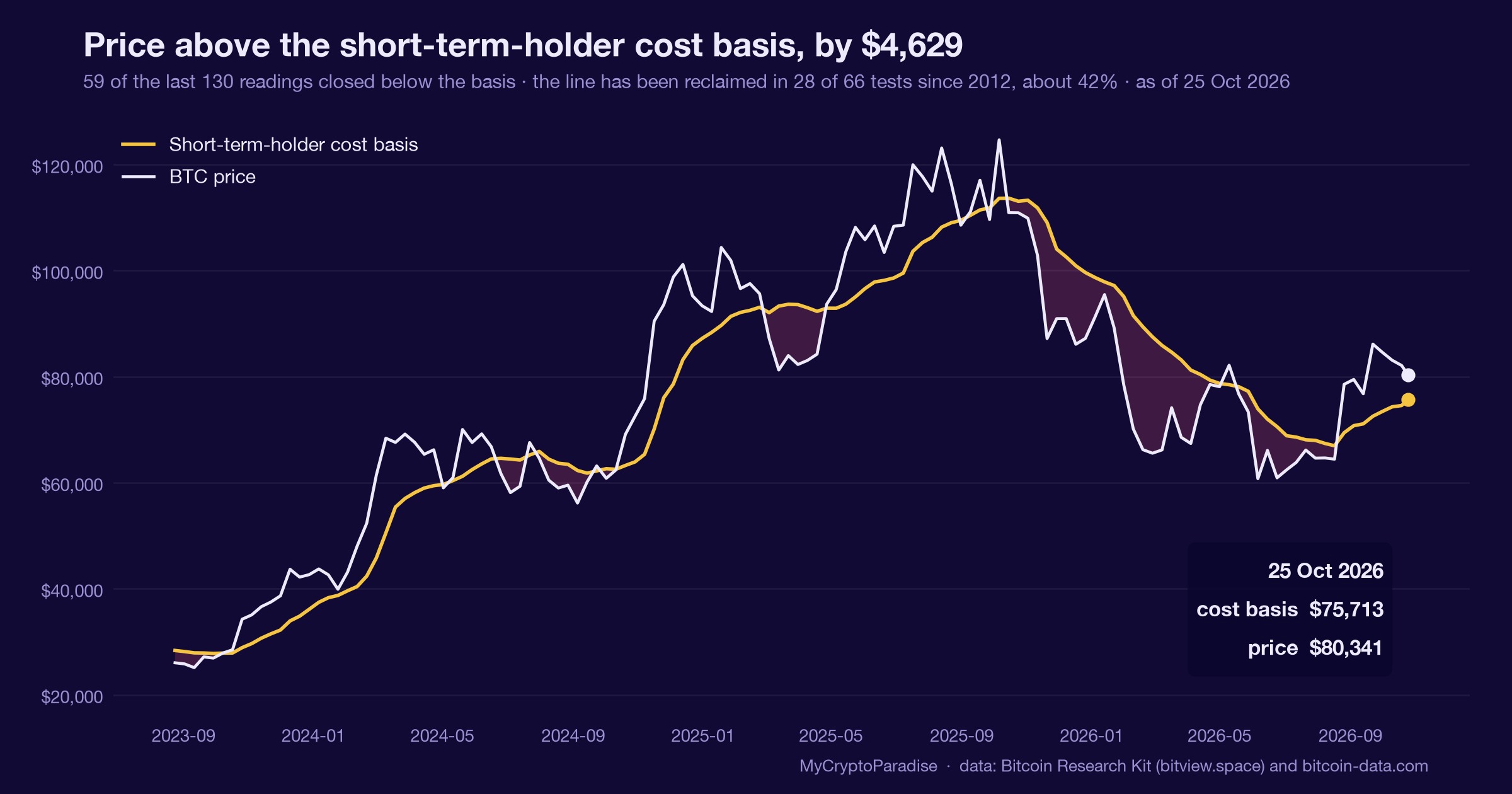
Market briefing: The US House passed a resolution limiting presidential military action in Iran, a move typically seen as de-escalatory. Despite this, crypto markets showed no positive immediate reaction, with Bitcoin trading near $76,006 and Ethereum near $2,406, both down over 24 hours.
- The US House of Representatives passed a war powers resolution limiting President Trump's military actions in Iran.
- The vote was 220 in favor and 204 against, marking the third such House vote on this matter.
- Bitcoin and Ethereum both showed negative 24-hour price changes following the announcement.
Source: U.S. House of Representatives
The US House of Representatives passed a resolution aiming to limit further military action in Iran, a move typically seen as reducing geopolitical risk. Yet, crypto markets, with Bitcoin trading near $76,006, showed no positive immediate reaction. Does this signify a deeper underlying bearish trend?
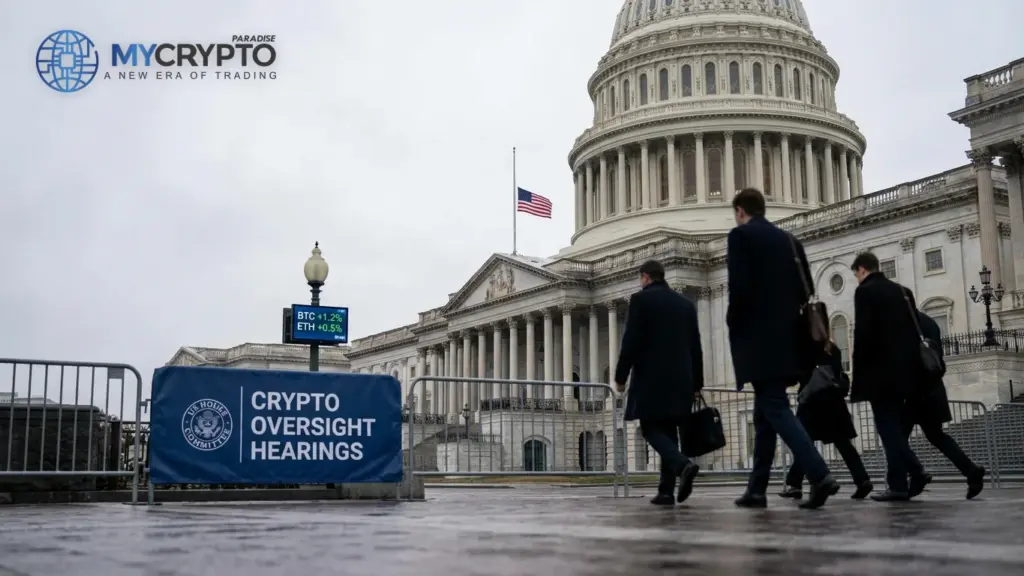
The US House of Representatives recently passed a war powers resolution, a significant legislative move aimed at limiting President Trump's military actions concerning Iran. This resolution passed with a vote of 220 in favor and 204 against. This marks the third time the House has voted to block the president from taking further military action against Iran. The consistent legislative push highlights ongoing tensions between the executive and legislative branches regarding foreign policy.
Notably, seven Republican members broke ranks with the president to vote in favor of the resolution. This bipartisan support for a measure intended to de-escalate potential military conflict could signal a broader desire for reduced geopolitical uncertainty.
Despite the perceived de-escalatory nature of this news, crypto markets showed no immediate positive response. Bitcoin, for instance, was trading near $76,006 as of our latest check, down over 1.6% in 24 hours, while Ethereum also declined.
Geopolitical calm meets market apathy
The House's vote to limit presidential war powers regarding Iran signals a legislative push for de-escalation in a region historically prone to volatility. This type of action typically aims to reduce immediate geopolitical risk, which can sometimes be a catalyst for risk-on assets.
However, this development unfolds against a broader landscape of global tensions. Ongoing Russian military actions, concerns surrounding a potential US-China space arms race, and significant movements in traditional markets all contribute to a complex environment.
For instance, surging oil prices and a peak in US Treasury yields have been notable factors in global finance. These macro forces often command more attention from institutional capital, potentially overshadowing isolated de-escalatory signals.
The absence of a positive crypto market reaction to this news suggests that traders are looking beyond single geopolitical events. It reinforces the idea that larger macro currents are currently dictating market sentiment and capital flows. This particular resolution, while important politically, did not translate into a significant positive liquidity inflow for digital assets. The market's focus remains elsewhere, absorbed by broader economic and geopolitical narratives.
Liquidity flows ignore easing tensions
The immediate market impact of the House resolution was negligible for crypto. Bitcoin's price showed a flat 1-hour change, and its 24-hour performance was negative, trading near $76,006, confirming a lack of positive momentum.
Ethereum followed a similar pattern, registering a slight 1-hour decline and a more significant 24-hour drop, trading near $2,406.62. This disinterest in perceived de-escalation suggests broader forces are at play.
For broader altcoin markets, this often means continued pressure. When market leaders like Bitcoin and Ethereum fail to react positively to potentially bullish news, liquidity tends to remain constrained across the board, affecting smaller cap assets disproportionately. This scenario aligns with a prevailing narrative of smart money distribution. Any perceived stability or minor upward moves are likely opportunities for larger players to offload positions into existing retail liquidity, preventing sustained rallies.
The market is not interpreting this geopolitical news as a reason to allocate fresh capital into crypto. Instead, it seems to be reinforcing the existing bearish trend, indicating that immediate risk reduction is not a primary driver for buying among significant players.
Reading the underlying bearish signals
Confirmation of the prevailing bearish trend would involve Bitcoin failing to reclaim significant resistance levels, such as the $79,000 mark. A sustained rejection at this level, especially on higher timeframes, would reinforce downside expectations, signaling that sellers remain firmly in control of the market structure.
Traders should closely monitor for continued selling pressure on any rallies, as this indicates that smart money is actively using perceived strength as an opportunity to distribute further. This consistent offloading into retail optimism would validate the current market read, suggesting ongoing accumulation from less informed participants.
Invalidation of the strong bearish bias would require a clear break and sustained hold above macro resistance, perhaps even the $82,000 previous high. Such a decisive move would need to be accompanied by significant institutional volume and verifiable whale accumulation, not merely short-term retail-driven pumps, to signal a genuine shift in market sentiment.
Another key watch item involves the market's reaction to future geopolitical developments. If a more definitive de-escalation or a truly risk-on macro signal emerges, and crypto still fails to rally significantly, it would underscore the persistent strength of underlying bearish forces that currently dominate.
Conversely, any renewed escalation in global tensions that triggers a flight to safety, but does not result in capital flowing into Bitcoin, would confirm its current role as a risk-on asset susceptible to broader liquidity shifts rather than a traditional safe haven.
Why de-escalation aids smart money distribution
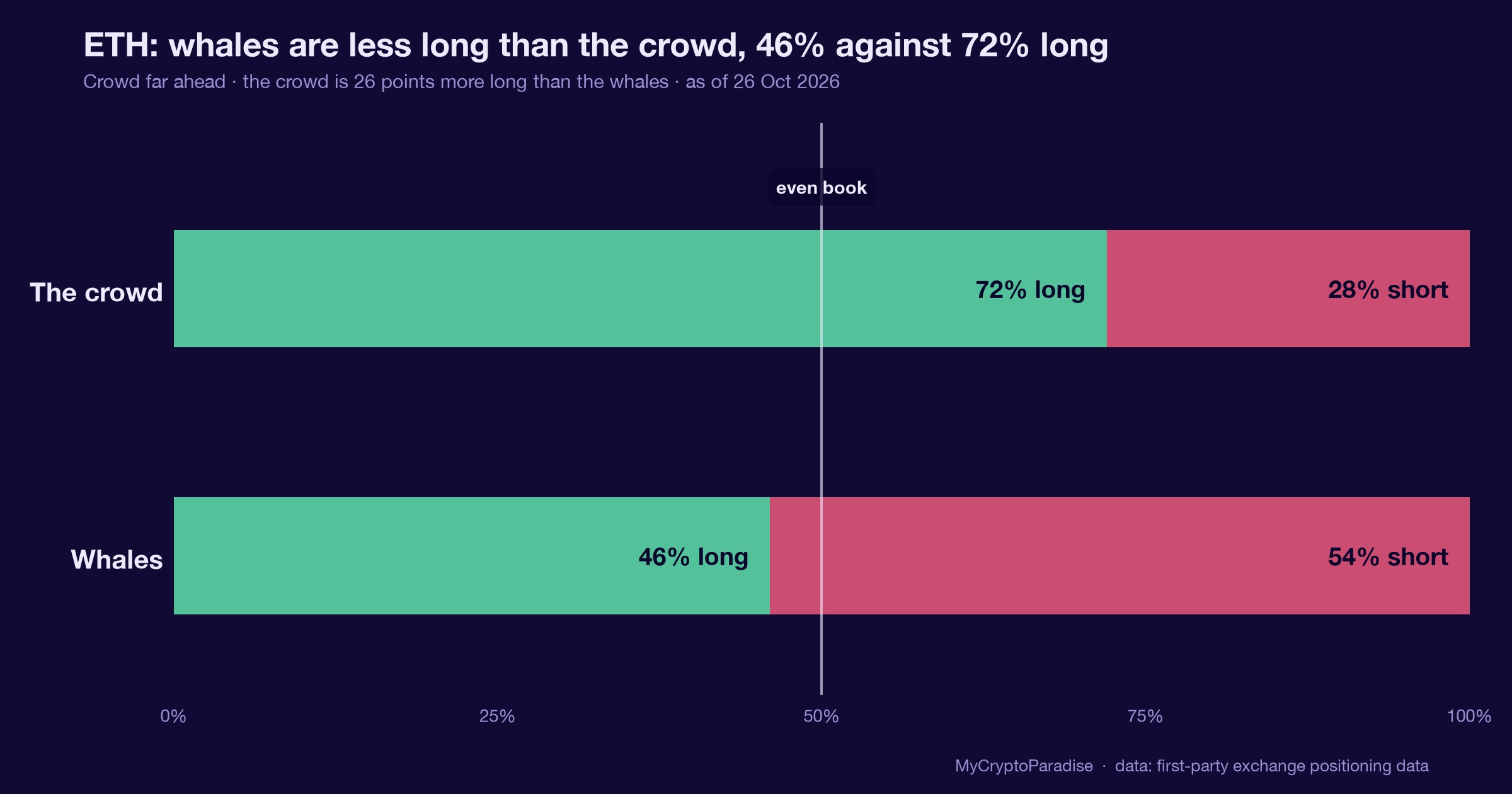
The ParadiseTeam maintains a strongly bearish bias, viewing this geopolitical de-escalation as failing to alter the primary trend. Simon's analysis indicates further downside continuation is highly probable, targeting the $55,000-$44,000 zone as the next significant area of support for Bitcoin. This pronounced lack of positive market reaction to seemingly good news strongly reinforces the smart money thesis. Whales have been distributing heavily on the macro timeframe, consistently selling into retail liquidity, which tends to get optimistic during small bullish moves, providing ideal exit opportunities for larger players.
The current market action for Bitcoin, trading near $76,006, aligns perfectly with this distribution pattern. Any attempt to rally towards immediate resistance, such as the $79,000 mark, is likely to be met with renewed selling pressure from larger players looking to offload more positions into fleeting strength.
Retail traders often interpret de-escalatory news as a reason for optimism, inadvertently providing the very liquidity smart money needs to offload positions without significantly impacting price. This dynamic typically leads to retail capitulating lower as prices continue to slide, reinforcing the overall bearish cycle.
The ParadiseTeam is watching for a decisive break below previous lows, specifically $58,000, as a confirmation of this downside trajectory. Until significant whale support emerges *above* key resistance levels, the bearish outlook holds firm, and any rallies should be treated with extreme caution as potential distribution events.
The read behind this: we framed this story through our own market analysis, Can Bitcoin Rally From Extreme Fear?
Track it live: our Crypto Fear and Greed Index and the live crypto funding rates both update in real time, so you can watch this shift for yourself.
Related coverage
For exact entries, targets, and stop losses with full risk management, that is what ParadiseFamilyVIP is for. New to reading these moves? Start with our crypto trading strategies guide.
ParadiseTeam is monitoring the market situation closely, and we are taking these developments into consideration while building our trading tactics inside ParadiseFamilyVIP.
Crypto trading involves substantial risk. Prices are volatile and you can lose money. This article is educational and is not financial advice. Past performance does not guarantee future results.
Will the US House resolution lead to a sustained BTC rally?
How 45 Paradisers are calling it
The first call is still open
Free account, no password. Members just sign in.









Join the discussion 1
Bearish reaction to de-escalation seems a stretch why would that be. what's the level