

In short
A fakeout is a breakout that fails fast, pulling traders in before price reverses into their stops. You spot one by refusing to trust the first candle. Watch for weak volume, a failed retest, and a quick snap back inside the old range. Real breaks hold their level and attract follow-through buying. Traps punish chasers within a few candles. The honest truth is that some fakeouts only look obvious in hindsight. So size each trade for being wrong, keep your stop sensible, and let confirmation come to you.
What is a fakeout, and why does it matter?
A fakeout is a price move that breaks a key level, then reverses and traps the traders who chased it. The breakout looks real for a candle or two. Then price snaps back inside the range, and late buyers sit in losing trades. Discipline, not prediction, protects you.
Markets call this a false breakout, one of the most common ways liquid markets hunt resting stops. A professional treats every break as unproven until price proves it. That single habit removes most of the damage a trap can do.
Why do breakouts trap so many traders?
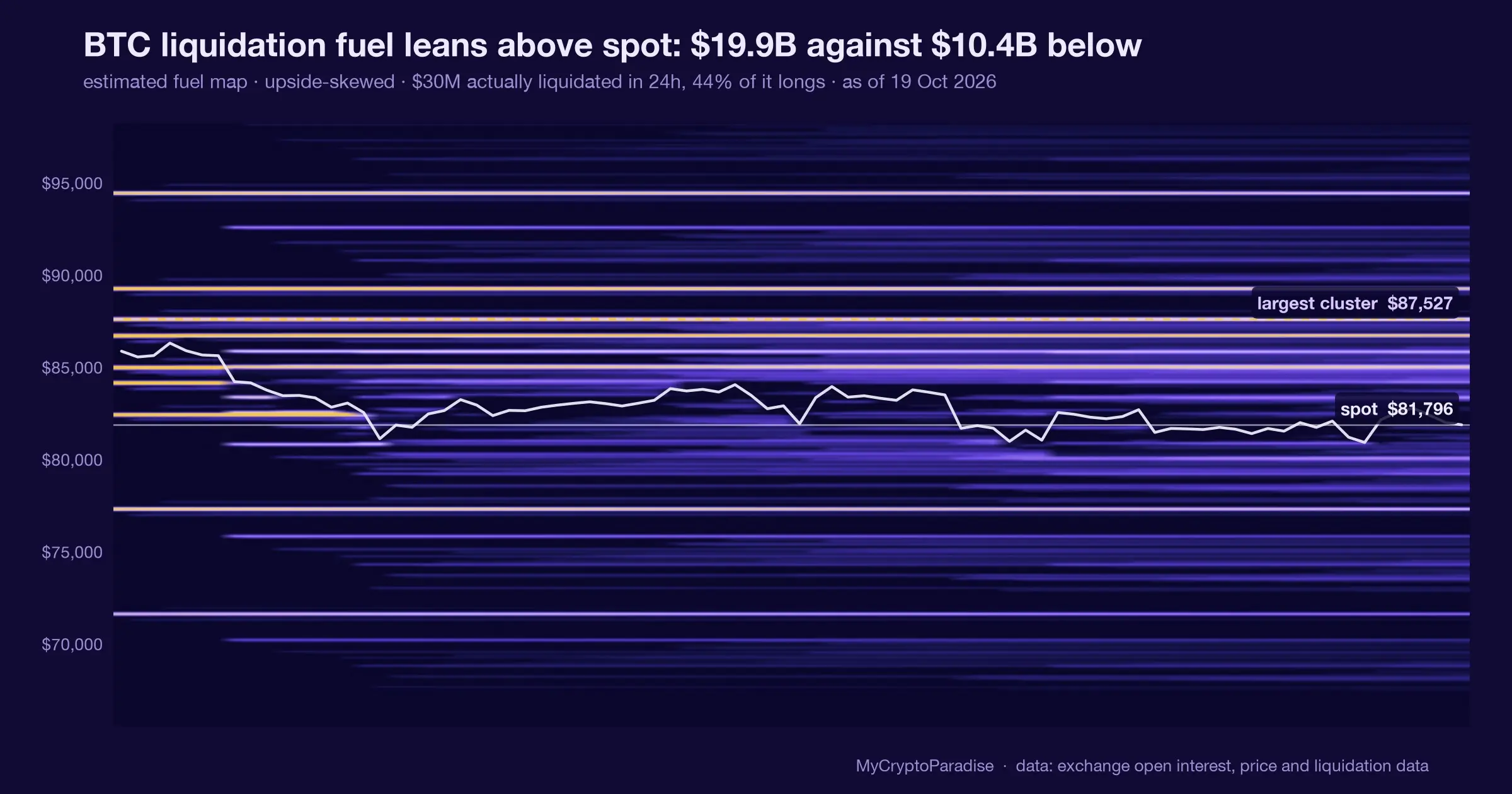
Breakouts trap traders because they create urgency. A level finally gives way, the candle is big, and the fear of missing out takes over. Everyone buys the same spot, so their stops cluster just below it. That cluster becomes the exact fuel a reversal needs to run.
Price tends to travel toward resting liquidity, and clustered stops are liquidity in plain sight. Large players know exactly where the crowd hid its orders. So the obvious breakout level is often the obvious trap.
Volume, retests and the signs of a weak break
What is different here
The ParadiseTeam reads volume and positioning across all major exchanges before trusting a break. A move that looks strong on one venue can be hollow everywhere else.
The clearest tell is volume. A genuine break usually arrives on rising trading volume, because real conviction needs real participation. A break on weak volume is a warning, not an invitation.
A retest is the market returning to the broken level to test it as new support or resistance. A real break usually holds that retest. A fakeout fails it, slipping back through the level it just cleared.
A few signals often appear together before a trap springs:
- Thin volume on the breakout candle itself
- A fast return inside the level within a few candles
- A failed retest that cannot hold the old boundary
- A long wick rejecting the new high or low
Spring and upthrust: classic trap patterns
These traps are old enough to have names. The technical analyst Richard Wyckoff mapped them a century ago, and crypto repeats them daily.
A spring is the downside version. Price drops below an obvious support, triggers a wave of stop selling, then reclaims the level fast and rallies. You can study the mechanics in our note on Wyckoff spring and upthrust.
An upthrust is the mirror image. Price pushes above resistance, tempts breakout buyers in, then collapses back inside the range. These moves sit inside a larger structure you can follow in the full Wyckoff schematic.
The same logic explains tops. After a long advance, these patterns can mark a market top forming rather than a pause.
Should you wait for confirmation or chase the candle?
Wait, almost always. Confirmation means the market proves the break: a close beyond the level, a retest that holds, and follow-through in the next candles. Chasing the candle means buying on hope before any of that exists. Confirmation costs a little price and removes most of the risk.
You will miss some fast runners this way. That is the trade you accept. A missed winner costs nothing but pride. A chased trap costs real money.
When you cannot tell, size for being wrong
Here is the honest part. Some fakeouts only become obvious in hindsight, long after your stop is hit. You cannot fix that with better eyes. You fix it with position sizing and a stop that caps the damage when you are wrong.
Decide your risk per trade before you enter, not after. If a single trap can dent your account, your size is too big. Sometimes the best read is no trade at all, and waiting as a position is a skill worth building.
A pre-entry fakeout checklist
Run these checks before you commit to any breakout entry:
- Confirm volume rose on the breakout candle, not faded
- Wait for a retest that holds the broken level
- Check the move agrees across all major exchanges
- Place your stop where the idea is clearly wrong
- Size the position so a trap costs little
- Skip the trade when the signals conflict
None of these makes you right every time. Together they make being wrong survivable, which is the only edge that lasts across a full cycle.
Frequently asked questions
Can you ever be certain a breakout is real?
No, certainty is not available. Even a textbook break can reverse on fresh news or a large seller. The goal is not perfect prediction. It is stacking small edges, volume, a held retest, and a sensible stop, so that being wrong stays cheap.
How long should I wait to confirm a breakout?
There is no fixed timer, but patience usually pays. Many traders wait for the candle to close beyond the level on their timeframe. Others wait for a retest that holds as support. Waiting costs you a little entry price and saves you from most traps.
What is the difference between a spring and an upthrust?
A spring dips below support, then springs back inside the range, trapping sellers. An upthrust pokes above resistance, then falls back, trapping buyers. Both are the same trick in opposite directions. Each one shakes out traders who acted on the obvious level before it was confirmed.
Does high volume guarantee a breakout will hold?
No, volume improves the odds but guarantees nothing. A high-volume break can still be a trap if large players are selling into retail buying. Treat volume as one input among several. Combine it with a held retest, broad agreement across exchanges, and a stop that protects you.
Crypto trading involves substantial risk and is not suitable for everyone. Nothing here is financial advice; it is education only. Never risk more than you can afford to lose.









Join the discussion 10
nice reminder for the Sunday chart work. the retest is often where a move clarifies itself, a good place to be patient.
Yeah, patience at the retest is huge… I'm still learning to wait for clear confirmation instead of jumping in early. 👀
Patience is key for real 🧘🏽♀️ and my alarm clock for London session is always reminding me to wait for those retests. Glad you find it useful too! 🔥
i'm still wondering if some of these fakeouts are just big money pushing things around on purpose to trip people up 🤔 katya’s point on volume does make sense for that though.
Yeah, the retest is where I always get a better read on the candles 🕯️ volume's still a bit of a crapshoot for me though, even with teh indicators 😵💫. nice reminder for the sunday grind 📈.
ugh, this reminds me of when i was always jumping in on 4-hour retests 🤦♀️ not a signal, guys.
...that part about the perfect position sizing though... for me it's more about not getting blown out than trying for perfect entry, you know? Like the pressure relief valve, always good to have some room.
for me, low volume on the retest is the clearest indicator to avoid a position. it's the lack of conviction that tells you most.
Volume is still the trickiest for me to get a feel for... I always double-check the retests too, makes sense to wait for that clarity. 🐕🦺
i feel you there hannah, volume's still a head-scratcher for me too 🤯. always looking for that clean follow-through on teh retest to confirm conviction. 📉📈