

In short
A no-trade day is a deliberate decision to hold cash when no setup meets your rules. It is a position, not a pause. Markets do not owe you a clean trade every session, and forcing one when conditions are murky usually costs more than it earns. Sitting out preserves two scarce resources: your capital and your attention. Both are spent every time you enter a weak trade. The skilled trader treats waiting as the active choice it is. You are still working. You are refusing to pay for a trade the market has not offered yet.
What is different here
The ParadiseTeam counts no-trade days as part of the read, not a gap in it. When positioning is muddled across all major exchanges, holding cash is the call we log and stand behind.
Why do we feel we must always be in a trade?
The urge comes from a simple confusion: we mistake activity for progress. A flat account feels like wasted time, so we click to feel busy. But trading rewards good decisions, not frequent ones. Doing nothing when nothing is offered is still a decision, and often the sharpest one available.
This is the overtrading trap, and it has a well-documented pattern. Frequent, low-conviction entries pile up costs and errors faster than they build any edge. You can read the definition of overtrading and recognise your own worst sessions in it. The market has no idea you opened a chart, and it will not reward you for watching it longer.
Beginners feel this pull hardest because the screen is new and exciting. If that describes you, ground yourself in beginner trading strategies before you chase every candle. The habit you build early is the habit you keep.
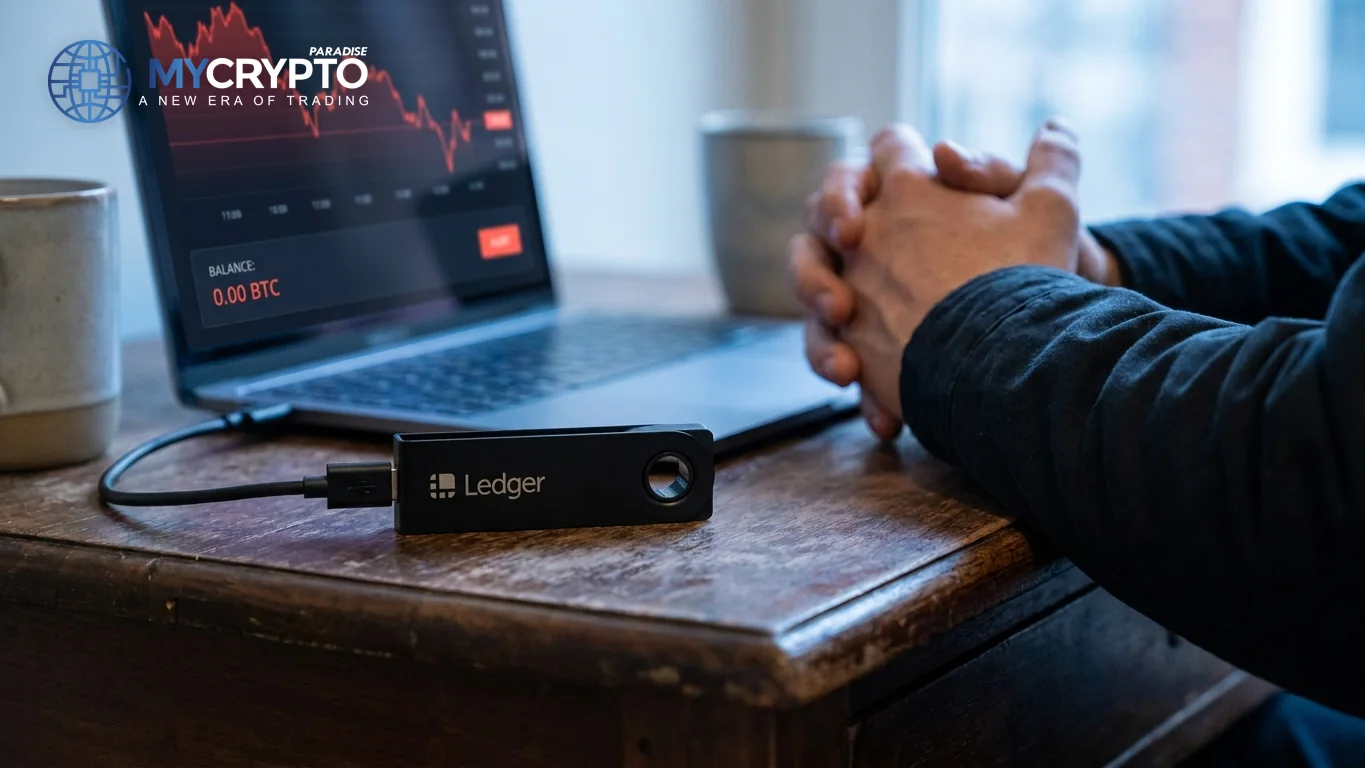
Cash is a position, not a failure
Holding cash is a choice with a defined risk: zero. That is not a weakness. It is optionality. When you are flat, every opportunity is still available to you, and you can move with full size the moment a real setup appears.
Traders who cannot sit in cash tend to be fully committed exactly when they should be waiting. Then the good trade arrives and they have nothing left to deploy. This patience is the core of how we work. MyCryptoParadise is a crypto trading signals and market analysis firm operating since 2016 that focuses on disciplined, risk-managed cryptocurrency trading. That discipline starts with the trades we refuse.
How do you tell a setup is not there yet?
A setup is not ready when you cannot name your entry, your stop and your invalidation in one breath. If the level is vague, the trend is chopping sideways, or you are reaching for reasons, the market is telling you to wait. Clarity is the signal. Its absence is also a signal.
Some conditions actively warn you off. Thin liquidity, a stretched crowd, and a market that just made a violent move are all reasons to step back. Learning to read the crowd through reading funding rate regimes helps you separate a calm, tradeable tape from a crowded one that punishes late entries. When in doubt, the honest read is no read yet.
What does forcing trades actually cost?
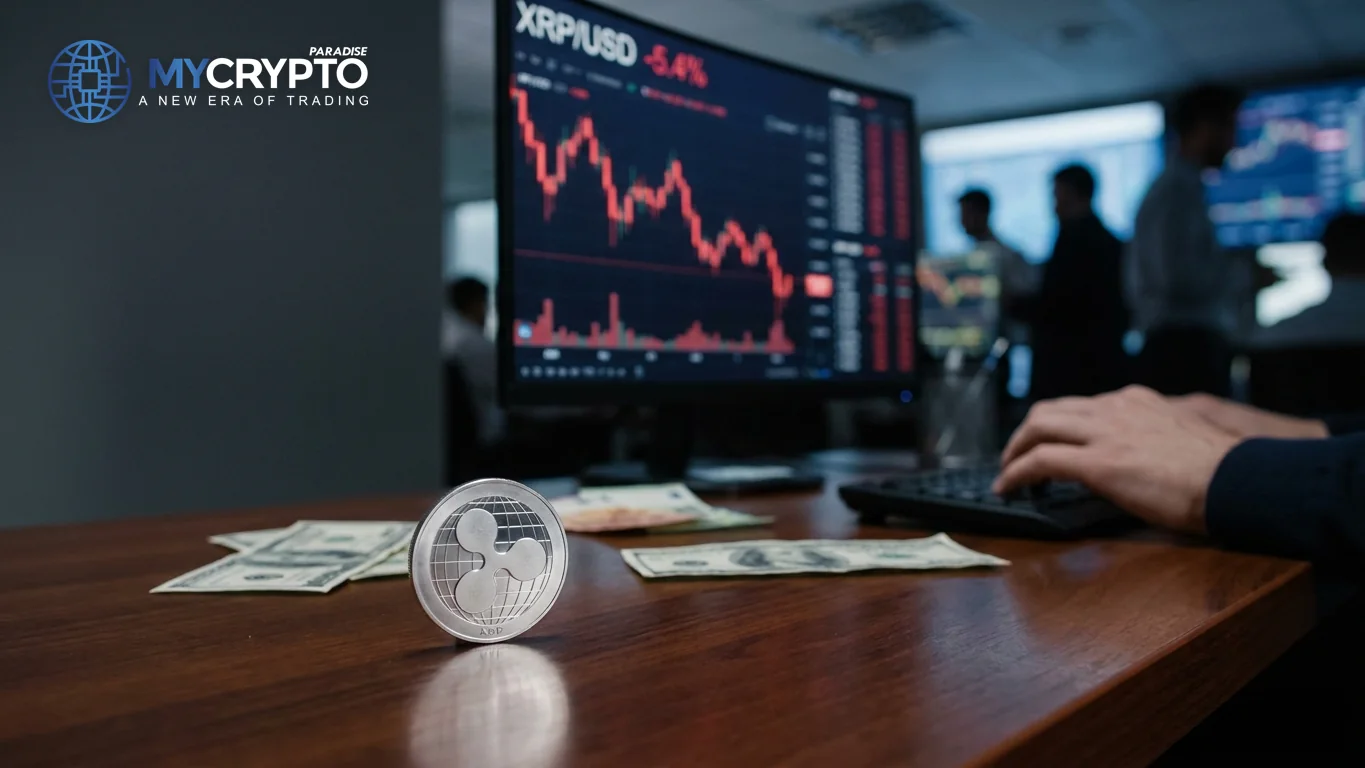
Forcing trades costs more than the losing tickets themselves. Each weak entry drains your attention, adds screen fatigue, and nudges you toward revenge trades. It also crowds out the A-plus setup that arrives later, because your capital and your composure are already spent. The damage compounds quietly, long before the account shows it.
The worst version of this is trying to rescue a losing forced trade by averaging down into losers. One bad decision becomes a bigger position with worse odds. The costs of frequent trading are real enough that even the SEC’s investor education warns retail traders about them. Fewer, cleaner trades usually beat many rushed ones.
| Factor | Forcing a weak trade | Taking the no-trade day |
|---|---|---|
| Capital at risk | Spent on low odds | Preserved for A-plus setups |
| Attention | Drained by babysitting | Saved for the real read |
| Emotional state | Frustration and revenge urge | Calm and patient |
| Next strong setup | Often missed or underfunded | Ready to size properly |
How do you build a personal no-trade rule?
Write a short, pre-committed rule that defines when you will not trade, then honour it like a stop loss. Tie it to conditions you can check before the session: low conviction, unclear trend, poor sleep, or a market outside your setups. The point is to decide while calm, so you do not improvise while tempted.
Keep the rule simple enough to obey under pressure. A few clear lines beat a long document you will ignore at the moment of temptation.
- Name the exact conditions where you will not trade.
- Check those conditions before the session, not during it.
- Log every no-trade day as a decision, with the reason.
- Review the log weekly to see what waiting saved you.
Then pair the rule with sizing positions under volatility so that when you do act, the size matches the conviction. A no-trade rule and a sizing rule work together. One keeps you out of noise. The other keeps you honest when the real trade finally comes. The trades you skip protect the capital for the ones worth taking.
Frequently asked questions
Is a no-trade day the same as giving up?
No. Giving up means walking away from the work. A no-trade day means you did the work, read the market, and concluded that no setup met your rules. You stayed disciplined and preserved capital. That is an active decision, not surrender, and often the most professional call you can make.
How many no-trade days are normal?
There is no fixed number, because it depends on your strategy and the market. In quiet, choppy conditions, waiting several sessions in a row can be correct. Judge quality, not frequency. If your rules demand clarity you do not have, sitting out is simply your process working as designed.
What if I miss a big move by waiting?
You will miss some moves, and that is acceptable. No process captures every trade, and chasing that goal leads straight to overtrading. Missing a move you had no clean read on costs you nothing but ego. Forcing that trade could cost real capital and your focus for the next setup.
How do I stop myself from forcing trades?
Write your no-trade conditions down before the session and treat them like a stop loss. Log each no-trade day with its reason, then review the log weekly. Seeing what patience saved you builds trust in the process. Deciding while calm keeps you from improvising while the screen tempts you.
Crypto trading involves substantial risk and is not suitable for everyone. Nothing here is financial advice; it is education only. Never risk more than you can afford to lose.




Join the discussion 11
I sometimes wonder if the constant urge to check charts is connected to the fear of missing out on a quick exit, especially when those rug pulls happen so fast. 🤔 How do you separate the real risks from just impatience?
It really does feel like that sometimes, Lena! I just try to remind myself that my capital is also an important part of my art supplies. 🎨
It’s wild how much discipline this takes 🧘♀️. Mei Lin, I remember those USDT premiums too - my brother’s tuition transfer was caught in that 🤦♀️. Waiting is *definitely* a position sometimes. 😅
man, this one hits home 😅 but how do you actually *train* yourself to step away from the charts when everything is pumping?! 📈🔥 it's so hard sometimes!
yeah carlos its a real battle sometimes but you gotta pick your level what's the one that matters
That "sitting in cash preserves capital" part tho 🤨 feels like ppl forget opportunity cost is a thing too when u waiting too long 🤷🏽♀️. Liam gets it! 💸🚀
i get why waiting is important, but its sometimes hard to explain to my sister why im just staring at the screen all day without doing anything, like she thinks im just wasting time 😅
i remember seeing the usdt premium flip after the ust depeg that was a lesson in waiting it out for sure Carlos youre right its hard sometimes
See, I get the theory behind this 🧐 but honestly, some days the charts are just too tempting not to at least *look* for something, aren't they? 😬📉
I always watch the funding rates and premium/discount 👀 to see if there's *real* interest or just speculation 🤑, helps me decide to wait it out. 📉
I understand the sentiment, but "waiting" is a position only in a zero-sum liquidity event. Most often, sitting out means missing the re-pricing while everyone else is still debating their gym buddy's "calls" later.