



In short
Crypto is usually down for a mix of reasons, not one. Big macro shifts move it first. When central banks raise interest rates or signal caution, risk assets like Bitcoin tend to fall. Regulatory headlines, an exchange failure, or a large hack can trigger sharp selling too. Market cycles matter as well, since fear spreads fast after long rallies. Most dips are normal volatility, not a broken market. No single event explains every red day. Understanding which force is driving price helps you react with a plan instead of panic. Volatility is the cost of the asset, not a surprise.
What makes crypto so volatile?
Crypto is volatile because it trades all day, every day, in a young market with thinner liquidity than stocks or bonds. Prices react instantly to news, leverage amplifies moves, and sentiment shifts fast. A large sell order can push price further than it would in a deeper, older market.
Volatility is not a flaw in crypto. It is a feature of a market that never closes and prices risk in real time. Stocks pause overnight and on weekends. Bitcoin does not. That means every headline, whether real or rumor, hits price the moment it lands.
Most red days are ordinary. A 5% to 10% drop in a week is normal for this asset class, even in a healthy uptrend. Learning to read the chart calmly keeps a routine dip from feeling like a crisis.
What is different here
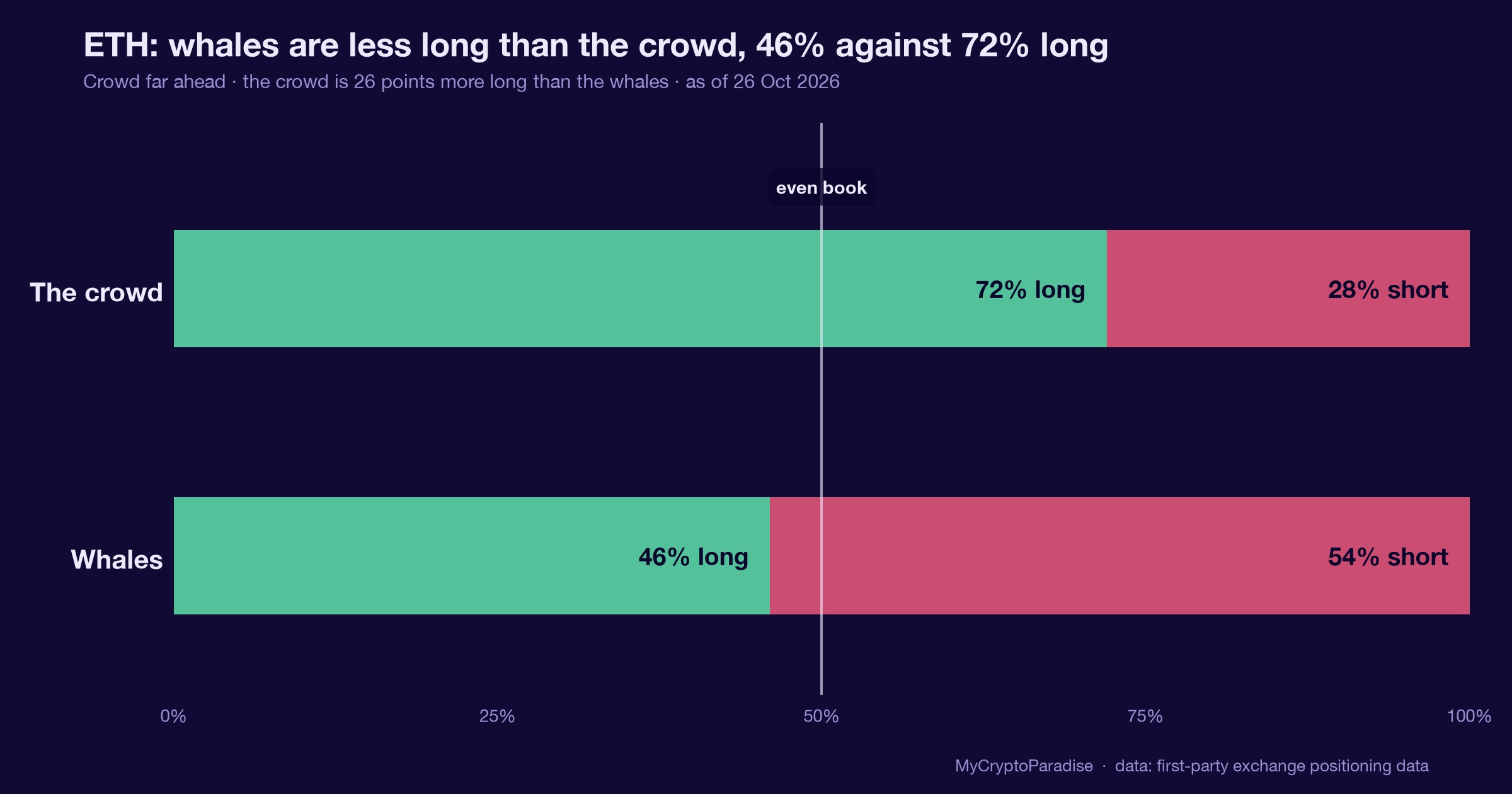
The ParadiseTeam reads live positioning across all major exchanges before deciding whether a dip is short-lived fear or a real shift in the trend. Context first, reaction second.
It helps to name the driver. The table below sorts the usual causes by the signal they leave and how long they tend to last.
| What is driving the dip | Typical signal | How long it often lasts |
|---|---|---|
| Macro shift | Rate news, strong dollar, falling stocks | Weeks to months |
| Regulatory headline | Lawsuit, ban rumor, policy change | Days to weeks |
| Exchange or hack event | Withdrawals paused, funds stolen | Hours to days, sometimes longer |
| Sentiment flush | Leverage wipeout, fear spikes | Hours to days |
How do macroeconomic factors drive crypto down?
Crypto often falls when the wider economy tightens. When central banks raise interest rates, safer assets pay more, so investors pull money out of risk. A strong dollar, rising bond yields, or a stock market selloff usually drags Bitcoin down with them. Crypto now moves closely with global risk appetite.
The clearest driver is monetary policy. When the Federal Reserve tightens policy, borrowing costs rise and liquidity shrinks. Speculative assets feel that first, and Bitcoin sits near the top of the risk curve.
Inflation data, jobs reports, and central bank meetings all move price. A single hotter than expected inflation print can send crypto lower within minutes. This is why traders watch the macro calendar, not just the coins.
How does regulatory news affect crypto prices?
Regulatory news moves crypto because it changes what is legal, tradable, or taxable. A lawsuit against a major exchange, a token labeled a security, or a country restricting access can all trigger fast selling. Markets hate uncertainty, so even a rumor of tighter rules often pushes prices down before any law exists.
Enforcement actions carry weight. When the US securities regulator announces a case, tokens named in it can drop sharply. Traders reprice the risk that an asset gets delisted or restricted.
Not all regulation is bad for price. Clear rules can bring in larger institutions over time. But in the short term, surprise crackdowns tend to spark fear and selling.
Exchange-specific events and security concerns
Sometimes a dip starts with a single company, not the whole market. When a large exchange halts withdrawals, gets hacked, or collapses, trust evaporates fast. The 2022 failure of FTX is the clearest example. A major exchange went from healthy to bankrupt in days and dragged the market lower.
Hacks work the same way. When funds are stolen from a bridge or protocol, holders rush to exit before losses spread. Even users on unaffected platforms sell first and ask questions later.
This is why custody matters. Keeping assets on a single exchange concentrates risk. Spreading holdings and using reputable venues reduces the damage when one platform fails.
Do market cycles and sentiment explain the dip?
Often, yes. Crypto moves in cycles of greed and fear that repeat across years. After a long rally, prices can fall simply because too many buyers already bought and profit taking begins. Sentiment then feeds on itself, as fear drives selling, selling drives lower prices, and lower prices deepen the fear.
Markets rarely move in a straight line. They swing between euphoria and despair in a repeating market trend. Understanding where you sit in that cycle matters more than any single red candle.
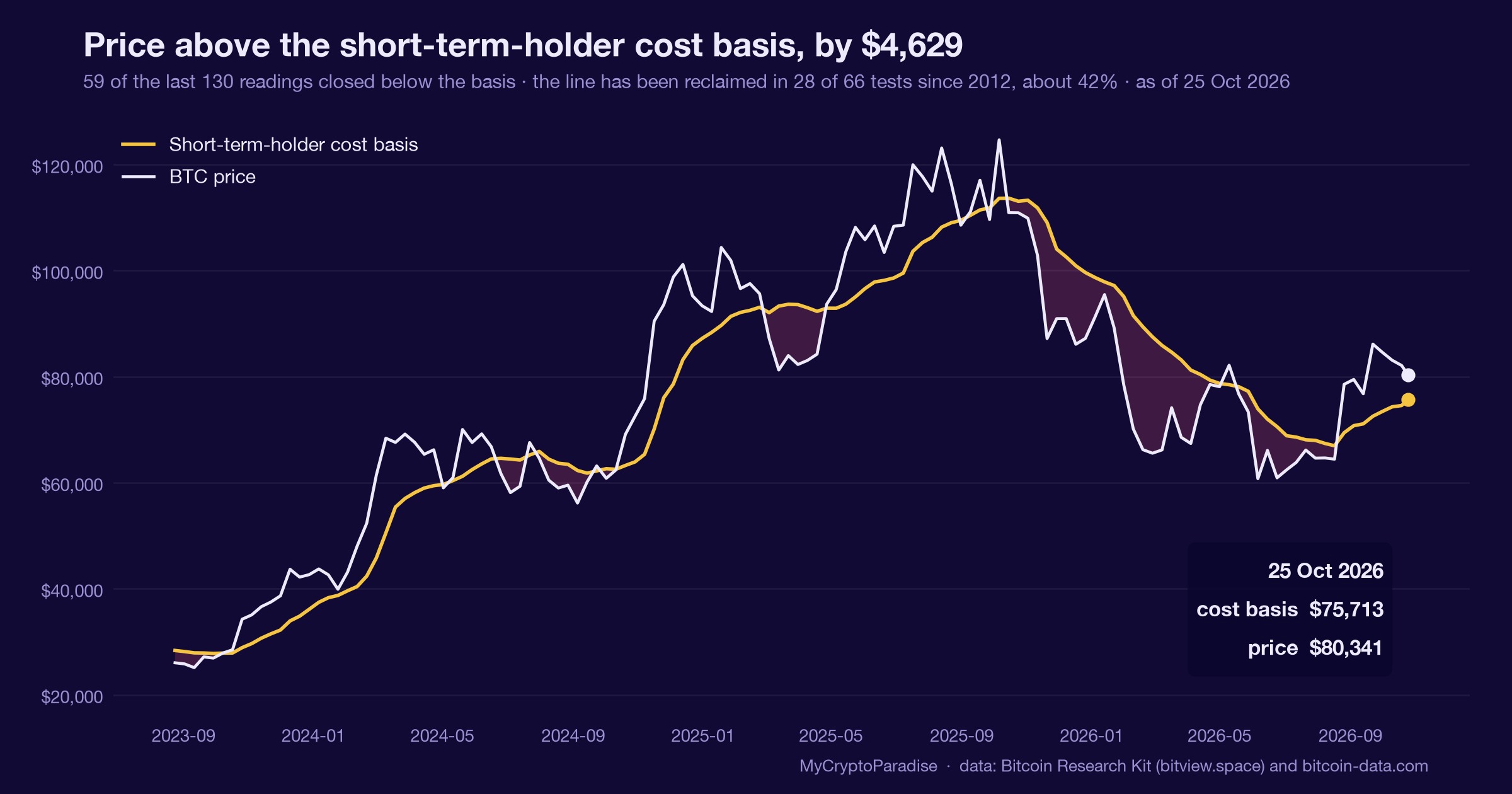
Bitcoin has its own rhythm too. Our read on Bitcoin cycle metrics treats deep dips as a probability read, not a forecast. A pullback inside a longer uptrend behaves very differently from a cycle top.
Managing risk when crypto is falling
You cannot control why crypto is down. You can control how much it costs you. That is the entire job of risk management, and it is what separates traders who survive cycles from those who do not.
A few habits do most of the work:
- Size each position so one loss cannot break your account.
- Set a stop level before you enter the trade.
- Avoid heavy leverage that turns a dip into a liquidation.
- Keep some cash ready so a lower price is an opportunity.
Most damage in a downturn comes from avoidable errors. We cover the biggest ones in our guide to common risk management mistakes. Panic selling at the bottom sits near the top of that list.
A calm, informed group also helps. Trading alone in a red market amplifies fear. A well run community, like a genuine Telegram signals group, replaces noise with context.
No one can promise when a dip ends. The goal is not to predict the bottom. It is to understand the force behind the move and manage your risk so you are still standing when the market turns.
Frequently asked questions
Why is my specific crypto token down when Bitcoin is up?
Individual tokens can fall while Bitcoin rises for their own reasons. A token unlock, weak project news, an exchange delisting, or fading hype can all drag a single coin lower. Altcoins are also more volatile than Bitcoin, so they often overshoot both up and down.
Is a crypto dip a good time to buy?
It depends on your plan, not on the dip alone. Buying weakness can work when you have a strategy, position sizing, and patience. It backfires when you chase a falling coin with money you cannot afford to lose. A dip is an opportunity only with a plan.
How long do crypto downturns usually last?
There is no fixed length. A sentiment flush can reverse in hours, while a macro driven bear market can run for many months. The cause usually hints at the timeline. Panic selloffs tend to be short, while dips tied to tightening policy often last far longer.
Does crypto go down because of the stock market?
Frequently, yes. Crypto now trades closely with global risk appetite, so a sharp stock selloff often pulls Bitcoin down too. When investors turn cautious, they sell riskier assets first, and crypto sits high on that risk curve. The link is not fixed, but it is strong.
Crypto trading involves substantial risk and is not suitable for everyone. Nothing here is financial advice; it is education only. Never risk more than you can afford to lose.











Join the discussion
No comments yet. Members, share how you are reading this.