

In short
The 5 risk management mistakes active crypto traders keep making are simple: no stop-loss, too much leverage, poor position sizing, revenge trading, and ignoring volatility. Each one quietly hands your capital back to the market. The fix is rarely a new indicator. It is a rule you set before the trade, not during it. Protect the account first, and the gains have room to compound over a full cycle. Every mistake below is common, avoidable, and expensive. Read them as a checklist, then build the framework at the end so the next drawdown does not end your run.
Why does risk management matter more than ever in crypto?
Crypto moves faster and further than most markets, so a single unmanaged trade can undo months of patient work. Risk management matters because leverage, thin liquidity, and round-the-clock trading amplify every error. Your edge is not prediction. It is surviving long enough for good setups to pay you.
Financial regulators keep warning that crypto is high risk and largely unprotected, which is exactly why your own rules have to do the work. The UK’s guidance for consumers is blunt: be prepared to lose all the money you put in. That is not fear-mongering. It is a description of a market where volatility is the base case, not the exception.
What is different here
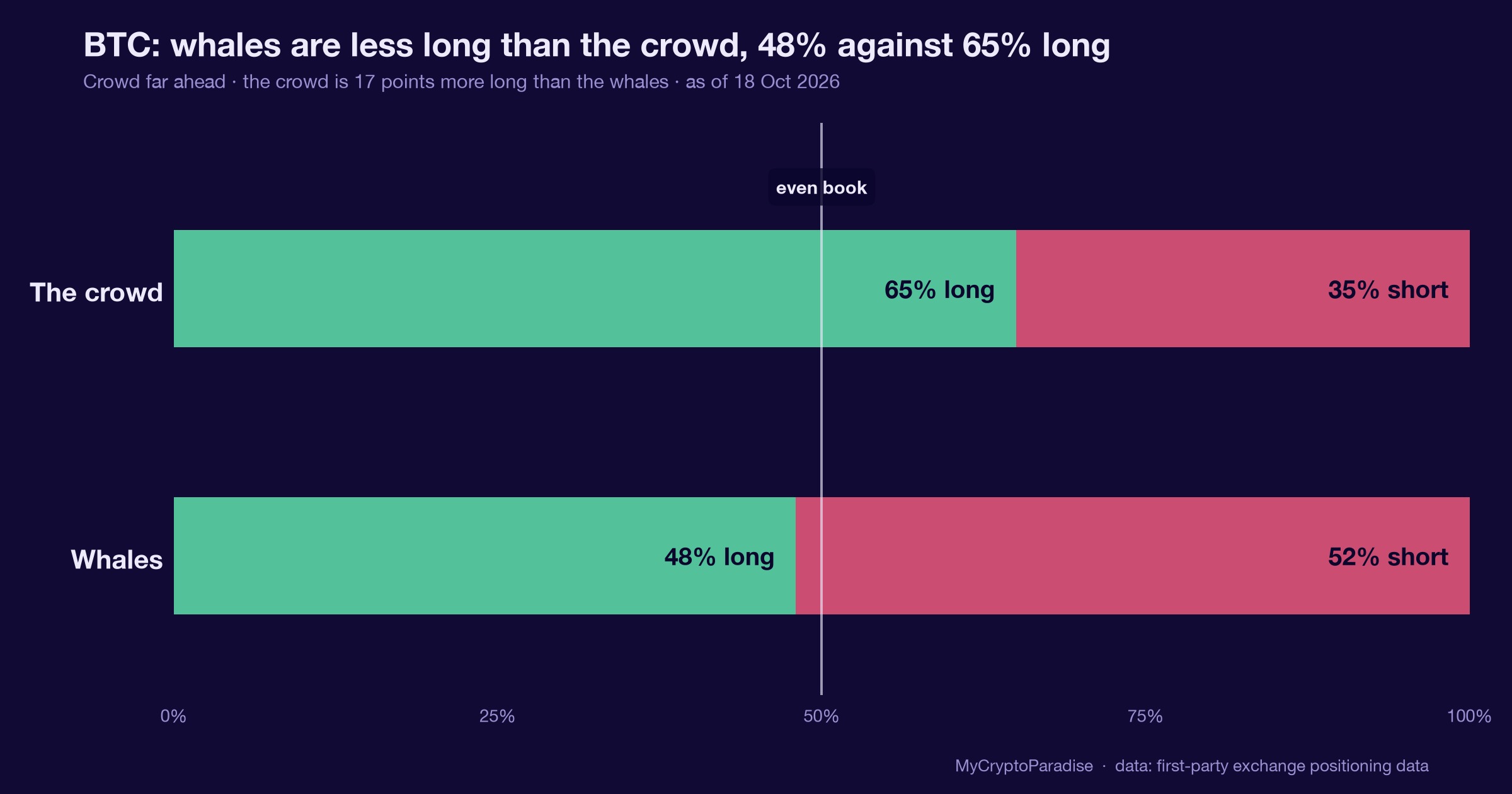
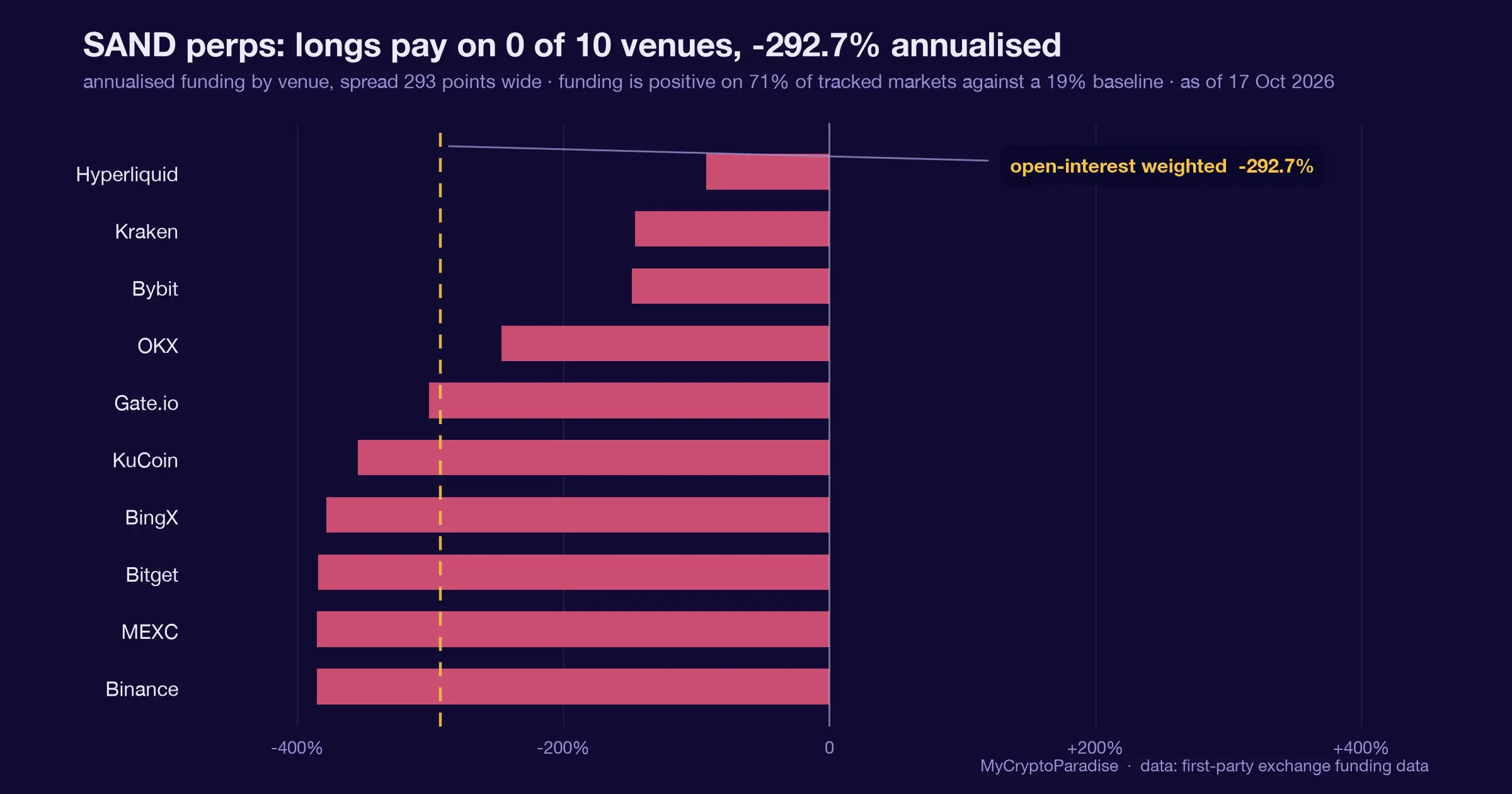
The ParadiseTeam sets the stop and the position size before it looks at an entry. It reads live positioning across all major exchanges before committing any risk. The trade idea comes last, not first.
Mistake 1: trading without a clear stop-loss strategy
A stop-loss is a pre-set order that closes your trade at a defined level, capping the loss before it grows. Trading without one is the most common and most expensive mistake active traders make. You tell yourself you will exit manually, then the candle gaps, hope takes over, and a small loss becomes a hole.
The fix is mechanical. Decide the exit that proves your idea wrong, place the order when you enter, and never widen it as price moves against you. A stop you keep moving is not a stop. It is a wish. Investopedia has a clean primer on how stop-loss orders work if the mechanics are new to you.
Mistake 2: over-leveraging your positions
Leverage lets you control a large position with a small amount of capital, and it multiplies your losses just as fast as your gains. Over-leveraging is the fast lane to liquidation, where the exchange force-closes your trade because your margin ran out. In crypto, where a 10 percent move is an ordinary afternoon, high leverage turns normal volatility into a wipeout.
The higher your leverage, the smaller the move needed to end the trade. The table below shows the rough adverse move that wipes a position, before fees and maintenance margin.
| Leverage | Approx. adverse move to liquidation | What it means for you |
|---|---|---|
| 2x | ~50% | Large buffer, hard to wick out |
| 5x | ~20% | Moderate room for volatility |
| 10x | ~10% | Thin buffer, one bad candle hurts |
| 20x | ~5% | A single wick can end it |
Perpetual contracts make this easy to overdo, because the leverage is right there at the top of the ticket. If you trade them, it pays to understand how perpetual futures work and where funding and liquidation prices sit before you size up. Modest leverage with a firm stop is survivable. Twenty times leverage on a hunch is not.
Mistake 3: how much should you risk per trade?
Risk a small, fixed slice of your account per trade, usually 1 to 2 percent, and let that number decide your position size. Position sizing is the quiet skill that keeps a losing streak survivable. Get it right and no single trade can seriously hurt you. Get it wrong and one bad call erases ten good ones.
The maths is simpler than it looks. Take your account size, decide your risk percent, and divide that dollar risk by the distance to your stop. That gives the position size that keeps your loss capped no matter how tight or wide the stop. Bigger stop, smaller position. Same risk either way.
Plug your own numbers into the calculator below to see the position size that keeps your risk fixed.
Mistake 4: chasing losses and revenge trading
Revenge trading is entering a trade to win back a loss, driven by emotion rather than a setup. It is the moment risk management dies, because size goes up while judgement goes down. You double the position to get even, skip the stop because you cannot afford to be wrong again, and hand the market a bigger target.
The defence is structural, not motivational. Set a daily loss limit before you start, and when you hit it, stop trading for the day. Willpower fails when you are tilted, so remove the choice instead. Much of this is psychology rather than charting, which is why we keep coming back to the mindset behind blown accounts.
Mistake 5: ignoring volatility and liquidity
Volatility is how far and fast price moves, and liquidity is how easily you can enter or exit without moving the price yourself. Ignore either and your careful stop becomes decorative. A thin altcoin can gap through your stop or slip on the fill, so the loss you planned is not the loss you take.
Match your size and stop to the coin, not to a fixed template. Widen stops in high volatility so noise does not stop you out, then shrink the position to keep the dollar risk the same. In illiquid names, trade smaller, use limit orders, and respect the weekend, when volume thins and moves get violent. Adjusting to conditions is not caution for its own sake. It is how the stop you set is the stop you get.
How do you build a robust risk management framework?
Build a risk management framework from three rules you write before you trade. Fix your risk per trade, put a mandatory stop on every position, and set a daily loss limit. Together they turn good intentions into a system. The framework does the thinking when your emotions cannot.
A practical routine looks like this before every trade:
- Set the stop where the idea is wrong.
- Size the position to risk 1 to 2 percent.
- Note your daily loss limit and honour it.
If you follow signals from anyone, hold them to the same standard you hold yourself. Before you pay, learn to audit a signal provider and check that every call ships with a stop and a sensible size. The channels worth your time put risk management first, not screenshots of wins. A provider that hides the stop is telling you something.
None of this is about predicting the next move. It is about making sure that when you are wrong, and you will be, the cost is small and survivable. Fix these five mistakes and you stop donating to the market. That is where consistent trading actually begins.
Frequently asked questions
What percentage of my account should I risk per trade?
Most disciplined traders risk a small, fixed slice per trade, often 1 to 2 percent of the account. This caps the damage from any single loss. A losing streak then dents your capital slowly, not catastrophically, so you stay in the game long enough for your edge to work.
Where should I place my stop-loss?
Place your stop at the level that proves your trade idea wrong, not at a round dollar figure you can stomach. Base it on structure, such as below a support level or a swing low. Then size the position so that stop only costs your planned risk.
Is leverage always bad for crypto traders?
Leverage is a tool, not a villain, but it punishes sloppy risk control. It multiplies both gains and losses, and it shortens the distance to liquidation. Used with small size and firm stops, modest leverage is manageable. Used to chase bigger wins, it ends accounts quickly.
How do I stop revenge trading?
Stop revenge trading by making it structurally impossible in the moment. Set a daily loss limit, and when you hit it, close the charts for the day. Trade a written plan, not a feeling. The urge to win it all back fast is the exact signal to step away.
Crypto trading involves substantial risk and is not suitable for everyone. Nothing here is financial advice; it is education only. Never risk more than you can afford to lose.







Join the discussion
No comments yet. Members, share how you are reading this.