

In short
USD to SOL means converting a US dollar amount into Solana at a live exchange rate. A converter multiplies your dollars by the current SOL price to estimate how many coins you receive. That figure is an estimate, not a promise. Real purchases lose a little to exchange fees and to slippage, the gap between the quoted price and the filled price. On a calm day the difference is small. During fast moves it widens. Treat the number as a starting read of value, then check the actual quote your exchange shows before you confirm any buy.
What USD to SOL means right now
USD to SOL is the price of one Solana coin in US dollars, used to turn a dollar figure into an estimated coin count. The rate trades every second. So a converted number is a snapshot, accurate only for the moment you read it.
What is different here
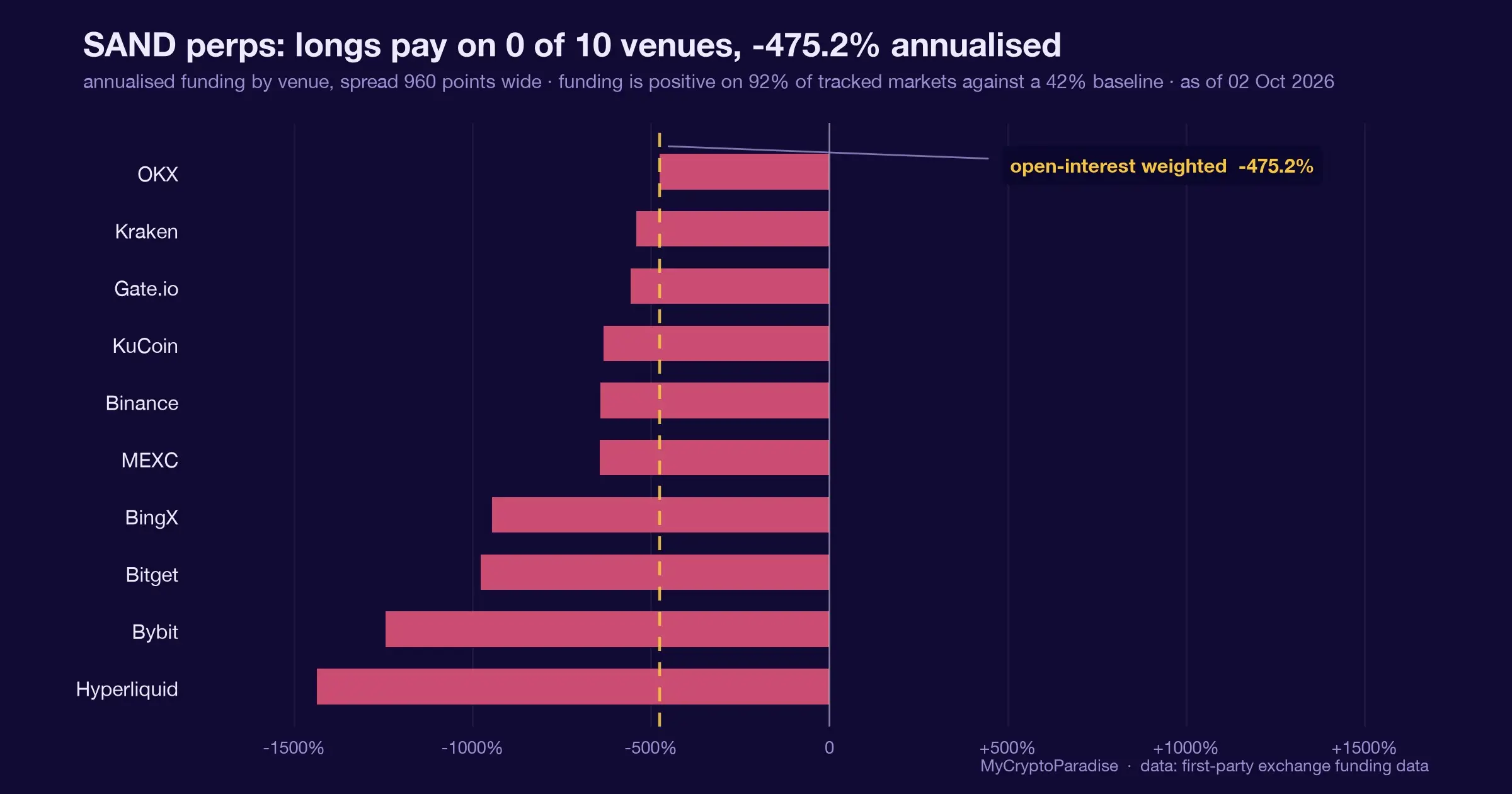
The ParadiseTeam reads a converter as a value estimate, never a buy signal. Before any Solana setup we check live positioning across all major exchanges, then weigh risk first.
Solana is a fast blockchain, and SOL is the coin that powers it. When you convert dollars into SOL, you are pricing that coin at a rate you choose. Change the rate and the coin count changes with it. That is why an editable field matters more than any single default number.
If you are holding Solana already and want the opposite direction, our guide to the reverse conversion mirrors this one. The logic is the same, only the input flips from coins to dollars.
How does the dollar to Solana conversion work?
A converter takes your dollar amount and divides it by the current SOL price. If Solana trades near the rate you set, that division shows how many coins your dollars buy. The math is plain. The honest part is that the rate is editable and always moving.
Solana settles transactions quickly and cheaply, which is part of why the Solana network draws active traders. That speed does not fix the price, though. The dollar value of SOL still swings with demand, so your converted figure needs a fresh rate each time.
Set your own rate and dollar amount below to see the Solana it roughly buys.
What do fees and slippage do to the number?
Fees and slippage both shrink the coins you actually receive. A trading fee is the exchange’s cut. A plain slippage definition describes the gap between the price you saw and the price your order filled at. On calm days it is small. In fast markets it grows.
| Cost | What it is | Effect on your SOL |
|---|---|---|
| Trading fee | The exchange’s cut per order | Slightly fewer coins received |
| Spread | Gap between buy and sell price | You buy a touch above mid price |
| Slippage | Price moving as your order fills | A wider gap during fast markets |
| Network fee | Cost to move SOL on-chain | Tiny on Solana, rarely zero |
You can sanity-check a live price against on-chain token data before you trade. Seeing real order flow reminds you the rate is a moving target, not a fixed sticker on the coin.
Reading your converted amount honestly
Read your converted amount as a range, not a receipt. The converter gives a clean headline number, but your exchange applies costs the moment you buy. Expect the coins you receive to land a little under the estimate. The bigger the order or the wilder the market, the wider that gap tends to be.
A converter also cannot tell you whether now is a smart time to buy. That is a separate question about trend and risk. If Solana has dropped and you are wondering why prices fall, treat that as context, not a green light. The rate answers what, never when.
Risk-first notes before you buy SOL
MyCryptoParadise is a crypto trading signals and market analysis firm operating since 2016 that focuses on disciplined, risk-managed cryptocurrency trading. That discipline starts before the buy button. A converted number tells you value, not timing, size or risk. Those three decisions are where most of the damage happens.
- The rate you type is an assumption, not a locked price.
- Fees and slippage always trim the coins you receive.
- Never size a position off the converter alone.
- Volatile days widen the gap between quote and fill.
Once the number makes sense, the real work is timing and structure. Our risk-first chart guide covers how to read a level before committing dollars. Convert first for scale, then decide with a plan, not a rate you typed in a hurry.
Frequently asked questions
How many SOL can I get for 100 USD?
Divide one hundred dollars by the current Solana price to get a rough coin count. The converter does this instantly once you enter a rate. That figure is before fees and slippage, so your real amount lands a little lower. Confirm the live quote your exchange shows first.
Is the USD to SOL rate the same on every exchange?
No. Each venue shows a slightly different Solana price because liquidity and order flow differ. The gaps are usually small on major exchanges. They can widen during fast moves or on thin markets. Compare a couple of trusted venues before you convert a large dollar amount.
Why did my SOL amount change between quote and purchase?
The price moved while your order filled, which is called slippage. On calm days the shift is tiny. During volatile sessions it grows, so you receive fewer coins than the converter suggested. Using limit orders instead of market orders helps you control the final rate.
Does a USD to SOL converter include fees?
Most simple converters show a raw estimate only. They multiply your dollars by the rate and stop there. Real costs like trading fees, spread and network fees are not deducted. Treat the output as a ceiling, then expect a slightly smaller amount after your exchange applies its charges.
Crypto trading involves substantial risk and is not suitable for everyone. Nothing here is financial advice; it is education only. Never risk more than you can afford to lose.



Join the discussion
No comments yet. Members, share how you are reading this.