


Listen: the breakdown
Market briefing: The US has carried out airstrikes in Iran after Tehran hit a US base in Jordan, breaking a four-day pause. Bitcoin was trading near $63,951, up 0.5% on the day, barely reacting to the escalation.
- US airstrikes on Iran followed Iran's missile strike on a US base in Jordan, ending a four-day pause
- Bitcoin sat near $63,951, up 0.5% on the day, with only a shallow 0.2% dip in the last hour
- BTC holding its 4H support through a war headline reads as absorption, not capitulation
US airstrikes on Iran just reignited the Middle East, yet Bitcoin barely blinked near $63,951. So who is quietly buying while retail braces for a crash?
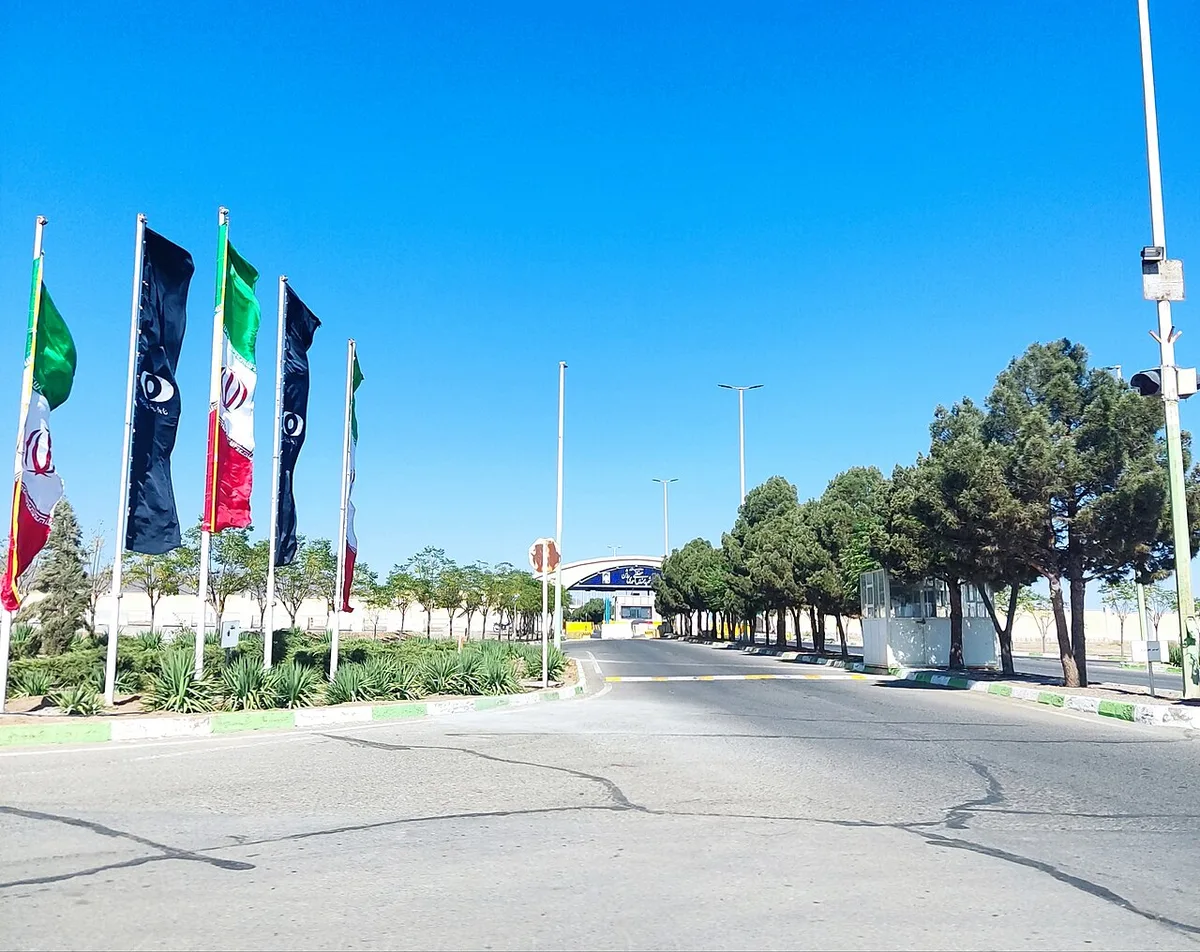
The US has carried out airstrikes inside Iran. This followed Iran firing ballistic missiles at a US base in Jordan yesterday, which broke four days of a mutual pause.
That pause mattered. For four days both sides held fire, and markets started to price calm. Then Iran's missiles landed, the US answered with strikes, and the region moved from tense stalemate back to open exchange. This is now confirmed action, not rumor or a leaked plan.
The reflex trade for a headline like this is simple. War means uncertainty, uncertainty means risk-off, and risk-off usually means sell the volatile stuff first. Crypto is textbook volatile stuff.
Yet Bitcoin refused to follow the script. BTC was trading near $63,951, up 0.5% over 24 hours, with only a shallow 0.2% slip in the last hour. Ethereum told the same story near $1,899.89, up 0.6% on the day despite a 0.4% hourly dip. A missile exchange between two nations, and the charts show a rounding error.
That gap between the headline and the tape is the real story here. When an asset is offered a clean excuse to dump and declines the invitation, the market is telling you something about who holds it. Fear is being sold to the crowd, but the price is not being sold with it. That is the structural signal worth reading, and it is exactly where a strategist starts looking underneath the news.
How a war headline reaches crypto liquidity
Geopolitical escalation matters to crypto through liquidity, not through moral weight. A US strike on Iran raises the odds of a wider conflict, and wider conflict raises the price of uncertainty across every market at once.
The transmission chain is mechanical. Escalation pushes traders toward safety, which usually means the dollar, short-term government paper, and sometimes gold. Money leaving risk assets tightens liquidity for everything speculative, and crypto sits at the far speculative end of that spectrum. In theory, BTC and ETH should feel the squeeze first and hardest.
But Bitcoin has a split personality in these moments. Sometimes it trades as pure risk and drops with tech stocks. Other times it trades as neutral, borderless money and holds firm while traditional markets wobble. Which mask it wears depends on the liquidity backdrop underneath the headline.
Right now that backdrop looks supportive rather than stressed. If liquidity were genuinely fleeing, a live war headline would be the perfect trigger for a flush. Instead BTC held green on the day and only dipped fractionally by the hour.
That resilience is the point. The news is real and the escalation is confirmed, but the feared liquidity flight has not shown up in price. Markets that ignore bad news at support are often being quietly defended. The absence of a crash, on a day built for one, is itself information.
Reading the shallow dip across BTC and alts
Start with the liquidity map, because that is where a war headline actually lands. Escalation widens spreads, thins order books, and makes leveraged traders nervous. Nervous leverage is fuel, and it usually burns near obvious support.
Bitcoin was trading near $63,951, sitting right on its near-term support shelf. That is precisely where stop-losses from late longs tend to cluster. A frightening headline is the ideal tool to reach down, trigger those stops, and hand cheap coins to whoever is waiting below.
So far the reach has been gentle. A 0.2% hourly dip against a 0.5% daily gain is not a cascade, it is a probe. If large sellers were truly exiting, a live strike on Iran would have produced far more than a rounding error on the tape.
Ethereum echoes Bitcoin, near $1,899.89 and up 0.6% on the day with a 0.4% hourly wobble. ETH usually amplifies BTC's fear, so a muted ETH confirms the risk-off impulse is shallow, not structural.
Alts sit downstream of both. They only bleed hard when BTC breaks and drags liquidity out of the whole complex. With Bitcoin defending support, the alt fear that normally follows a war headline has not been given permission to run.
The pattern reads as controlled absorption. Retail sees missiles and reaches for the sell button, while the book quietly refuses to break. That is distribution's opposite: fear flowing out, supply flowing into stronger hands.
What confirms absorption versus a real break
The next few sessions decide whether this calm is strength or just a delayed reaction. Watch how BTC behaves around its support shelf as the conflict headlines keep coming, because escalation news rarely arrives in a single clean burst.
Confirmation of the resilient read looks like this. Bitcoin holds above its support zone near $63,440 to $63,600 on the 4-hour timeframe, wicks below on fresh war headlines get bought back quickly, and the daily candle keeps closing green or flat. Each defended dip that fails to hold sellers is a small proof that stronger hands are absorbing supply.
Momentum tells the quieter half of the story. A holding price paired with fading downside pressure and a firm daily structure suggests the escalation is being digested, not feared.
Invalidation is just as clear, and worth respecting. A decisive 4-hour close below $62,500 would break the bullish market structure and change the entire read. Below that, the $60,000 to $59,000 band becomes the next serious battleground.
The honest risk is a second-wave shock. Geopolitics can gap markets overnight with no warning candle, and a genuine widening of the war could override any chart. This is developing on the ground even though the strike itself is confirmed.
So the question is not whether the news is scary. It is whether Bitcoin keeps refusing to trade scared. Price behavior at support answers that faster than any forecast.
What Bitcoin's calm signals about smart money
The ParadiseTeam reads this escalation through structure, not fear. A confirmed US strike on Iran is a textbook risk-off trigger, yet BTC held near $63,951 on its support shelf and refused to flush. When bad news arrives at support and price declines the excuse, that is usually smart money accumulating from a nervous crowd.
Our bias stays constructive while the 4-hour support zone near $63,440 to $63,600 holds. That shelf is where late long stop-losses (SL, the stop-loss orders that force sellers out) tend to pool, and a war headline is the cleanest tool to sweep them. So far the sweep has been shallow, which fits accumulation more than exit.
The line in the sand is $62,500. A decisive 4-hour close below it breaks the bullish structure, and we would step back rather than argue with price. Above it, the medium-term map still points through $69,000 resistance toward the higher $72,000 and $79,000 zones over time.
Mean reversion sits at the core of this read: professionals lean against crowd emotion rather than chase it. Retail sees missiles and sells; disciplined capital lets others panic and manages risk to break-even once the market proves it.
None of this is a promise. Geopolitics can override any level with a single overnight gap, so probabilities lead and stops stay respected. The signal we care about is simple. Bitcoin absorbing a war headline at support says more than the headline itself.
Track it live: our Crypto Fear and Greed Index and the live crypto funding rates both update in real time, so you can watch this shift for yourself.
Related coverage
For exact entries, targets, and stop losses with full risk management, that is what ParadiseFamilyVIP is for. New to reading these moves? Start with our crypto trading strategies guide.
ParadiseTeam is monitoring the market situation closely, and we are taking these developments into consideration while building our trading tactics inside ParadiseFamilyVIP.
Crypto trading involves substantial risk. Prices are volatile and you can lose money. This article is educational and is not financial advice. Past performance does not guarantee future results.








Join the discussion
No comments yet. Members, share how you are reading this.