

In short
If you trade at a stock brokerage like TD Ameritrade, some habits carry straight into crypto and some quietly hurt you. Order types, position sizing, and patience with a thesis all transfer well. What breaks is the shape of the market itself. Crypto trades every hour of every day, with no closing bell and no circuit breakers to pause a crash. You also hold your own assets, so custody becomes your job. Leverage is easy to reach and can liquidate you in minutes. Keep the discipline, rebuild the risk process, and treat the new mechanics with respect.
What is different here
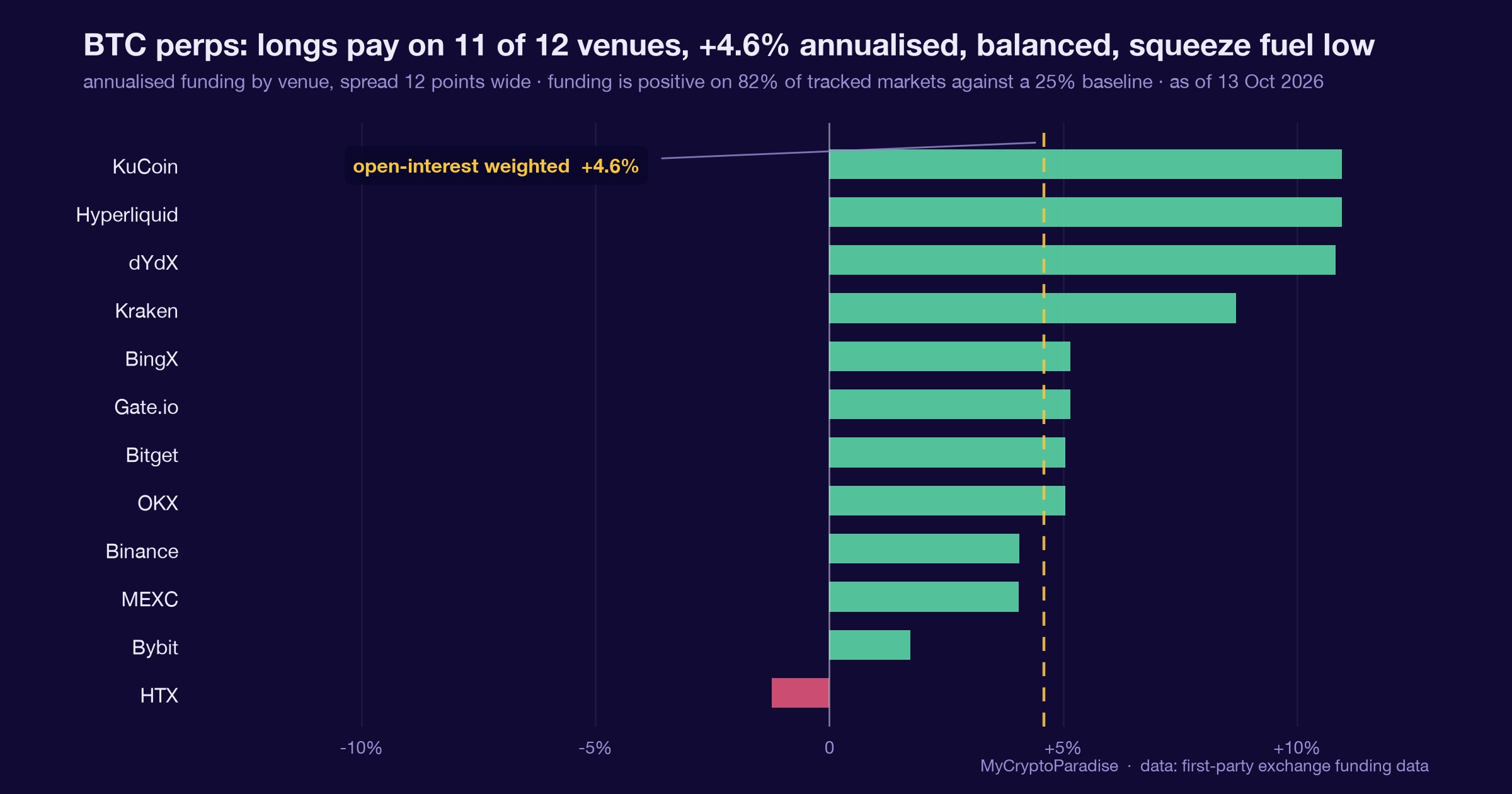
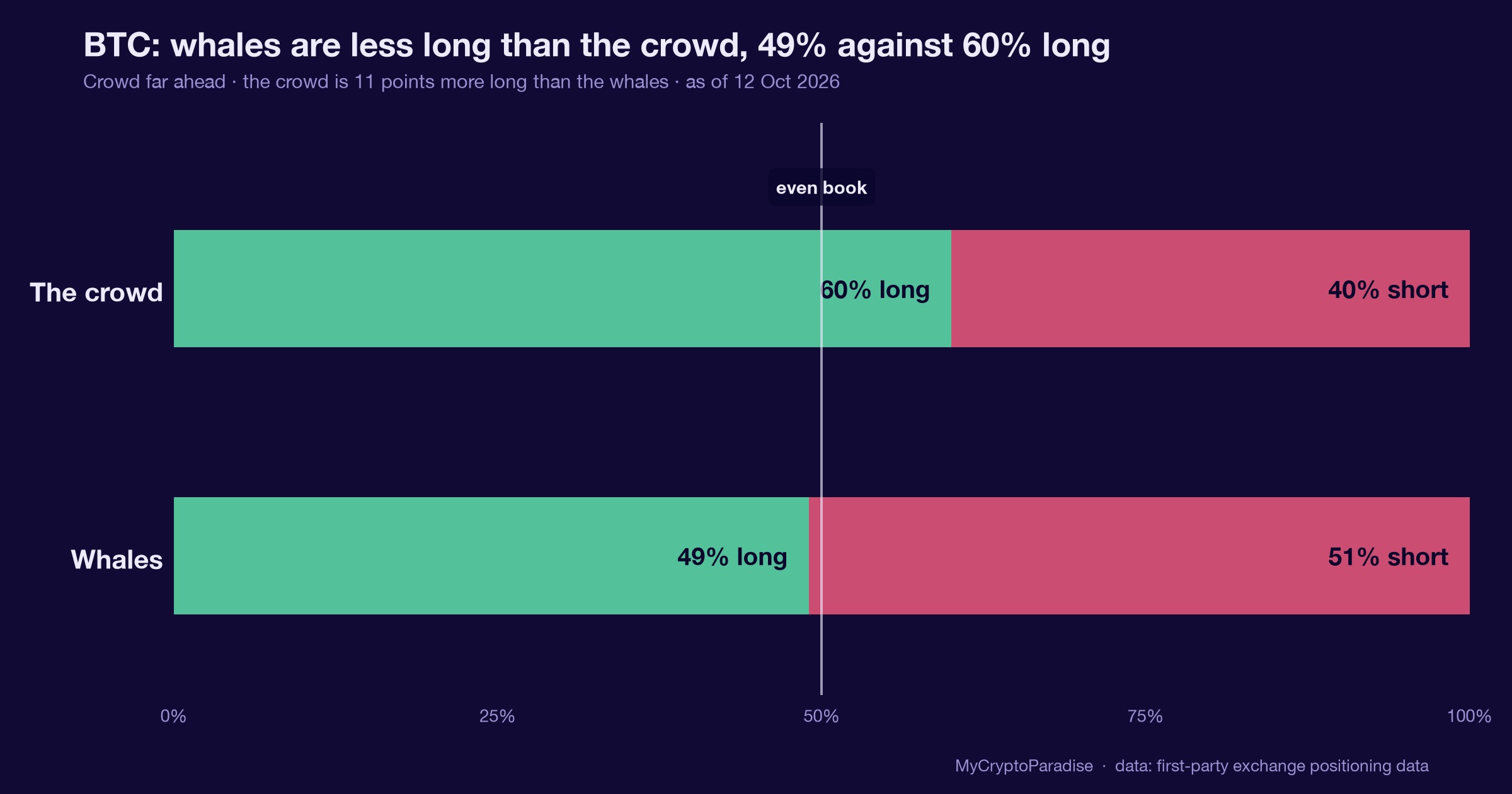
The ParadiseTeam reads live positioning across all major exchanges before trusting any level a stock chart alone suggested. Positioning is a probability read, not a forecast.
Which stock brokerage habits transfer to crypto?
Most of your best habits survive the move. A written thesis, defined entries and exits, position sizing as a percentage of capital, and limit orders all work the same way in crypto. Discipline is portable. The market structure around that discipline is what changes, so keep the process and question the mechanics.
Think of it this way. Your brokerage, whether TD Ameritrade or another, taught you to plan a trade and trade the plan. That instinct is gold in crypto, where hype moves faster than fundamentals. The tools also look familiar, from limit orders to stop orders to a simple watchlist.
Habits worth keeping
A few habits deserve to come with you unchanged:
- A written thesis before every entry
- Position size set as a percent of capital
- Limit orders instead of chasing price
- A post-trade review of every loser
If you are relearning the visual side, our guide to reading crypto charts keeps the focus on risk first.
What breaks when the market never closes?
Two things break first: the trading calendar and the safety rails. Crypto runs every hour, so gaps happen while you sleep and news moves price at 3am. There is no market-wide circuit breaker to halt a crash. Nobody pauses trading for you, so your stops and your sizing carry the whole load.
On the stock side, a fast crash can trigger a halt that gives everyone a breather. Crypto has no such pause, as the regulator explains in its note on circuit breakers. Price can gap hard while you are asleep. A weekend headline can move Bitcoin before your local market would even open.
Who holds your crypto, and why does that change your risk?
At a brokerage, the firm holds your shares and a regulator backstops the account. In crypto, you can hold your own coins in a wallet, which means the private key is the asset. Lose the key and no one can restore it. Custody becomes a skill, not a given, and mistakes here are usually permanent.
At TD Ameritrade, if you forget a password, support can help you back in. In self-custody crypto, there is no reset button for a lost private key. Some people use an exchange to hold coins for them, accepting counterparty risk. The SEC warns that many crypto assets lack the protections a brokerage gives you.
How can leverage liquidate a position so fast?
Leverage lets you control a large position with a small deposit called margin. If price moves against you past a set point, the exchange closes your position automatically to protect its loan. That is liquidation, and it can happen in minutes during a fast move. High leverage plus a 24/7 market is how accounts vanish overnight.
Stocks can use margin too, but crypto leverage often runs far higher and resets your risk fast. A small adverse move can wipe a highly leveraged position before you react. This is why liquidation cascades and sizing deserve real study. When many leveraged traders get closed at once, price can accelerate against everyone.
How do you build a crypto risk process from scratch?
Start from the risk, not the trade. Decide the most you will lose on one position, usually a small percent of your account. Set the stop before you enter, size the position to that stop, and write down the exit. Then treat leverage as optional, not default. The process is boring on purpose, and boring survives a 24/7 market.
A simple five-step checklist
- Set your maximum loss per trade first
- Place the stop before you enter
- Size the position to fit that stop
- Skip leverage until the process is automatic
- Review every trade against your written plan
None of this is exotic. It is the same risk-first mindset that keeps professionals in the game across cycles.
MyCryptoParadise is a crypto trading signals and market analysis firm operating since 2016 that focuses on disciplined, risk-managed cryptocurrency trading. If you want the deeper reps, study the common risk mistakes active traders make and read our take on a risk lens on duration.
Frequently asked questions
Is crypto trading similar to using TD Ameritrade?
The order tools feel familiar, but the market does not. You still use limit orders, stops, and position sizing. What changes is that crypto trades 24/7, you often hold your own assets, and leverage is easy to reach. Keep the discipline and respect the new mechanics.
Does crypto have circuit breakers like the stock market?
No. Major stock markets pause trading when prices fall too fast, using rules called circuit breakers. Crypto exchanges generally do not offer a market-wide halt. Trading continues through crashes, so your own stop-loss and position sizing are the only brakes you actually control.
Do I have to use leverage in crypto?
No, leverage is optional. Many traders never use it and buy assets with cash only. Leverage magnifies both gains and losses and can trigger liquidation, where the exchange closes your position automatically. If you are new, trading without leverage removes the fastest way to lose an account.
How is crypto custody different from a brokerage account?
At a brokerage, the firm holds your shares and regulators provide some account protection. In crypto, you can hold coins yourself in a wallet secured by a private key. If you lose that key, the funds are gone for good. Self-custody gives control but shifts all responsibility to you.
Crypto trading involves substantial risk and is not suitable for everyone. Nothing here is financial advice; it is education only. Never risk more than you can afford to lose.








Join the discussion
No comments yet. Members, share how you are reading this.