

In short
Taking partial profits means closing your trade in pieces, not all at once. You set target prices before you enter, then sell a slice of the position at each one. This locks real gains while leaving some size to keep running. The goal is not to nail the exact top. The goal is to remove risk from the table as price moves your way. A written plan does the selling, so fear and greed stay out of it. Scaling out trades a little upside for far less regret and a calmer account.
Why a single exit is a bet you rarely win
Picking one perfect exit is a guess dressed up as a plan. You are betting that you can read the exact top of a move. Almost nobody does that twice in a row.
A single exit forces one binary outcome. Either you sell too early and watch price run without you. Or you hold too long and hand the gains back. Both feed regret, and regret is what wrecks your next trade.
Scaling out replaces that one big bet with several smaller ones. You stop trying to be right once. You start being roughly right many times, which is far easier to repeat.
What is different here
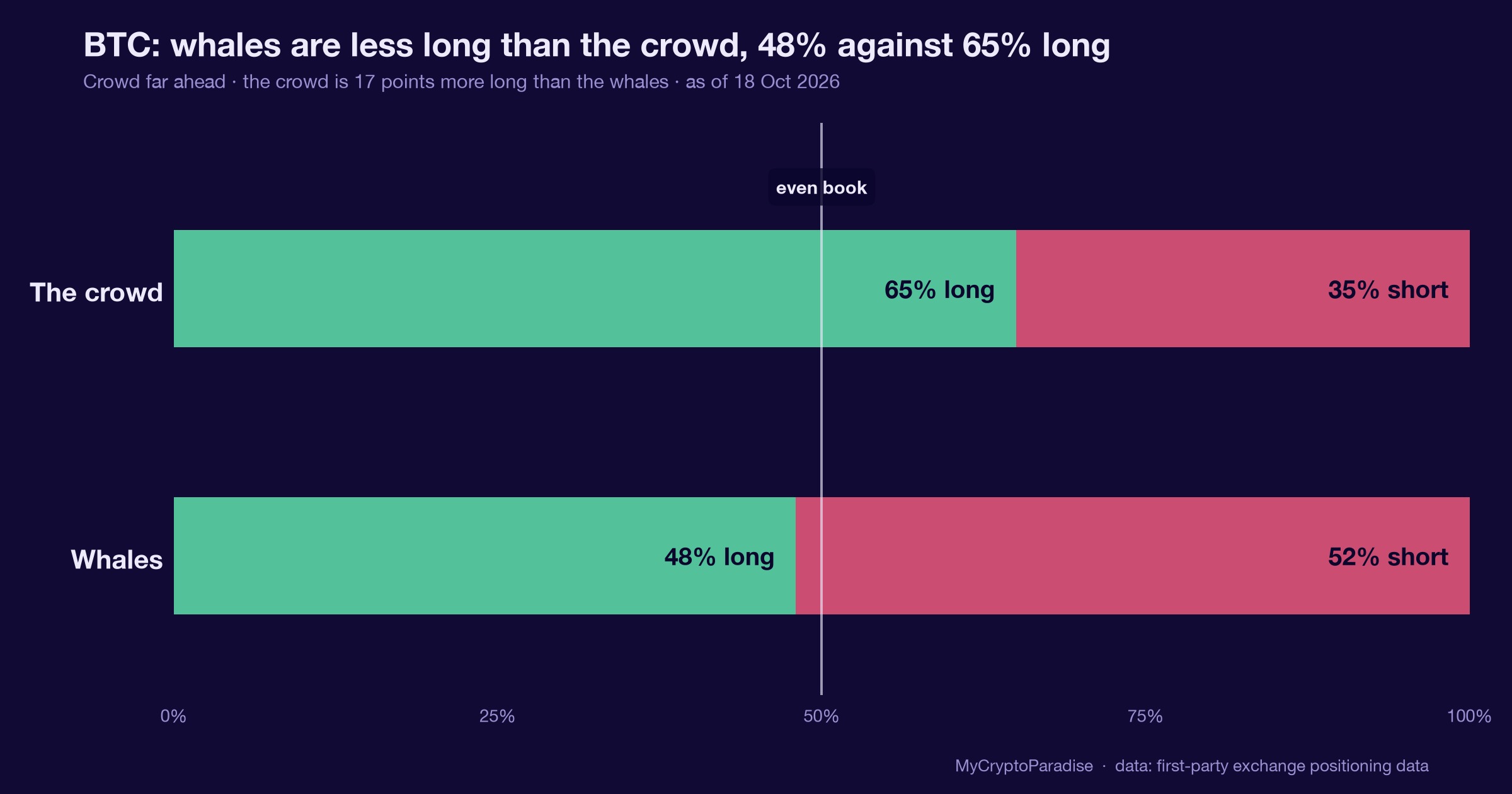
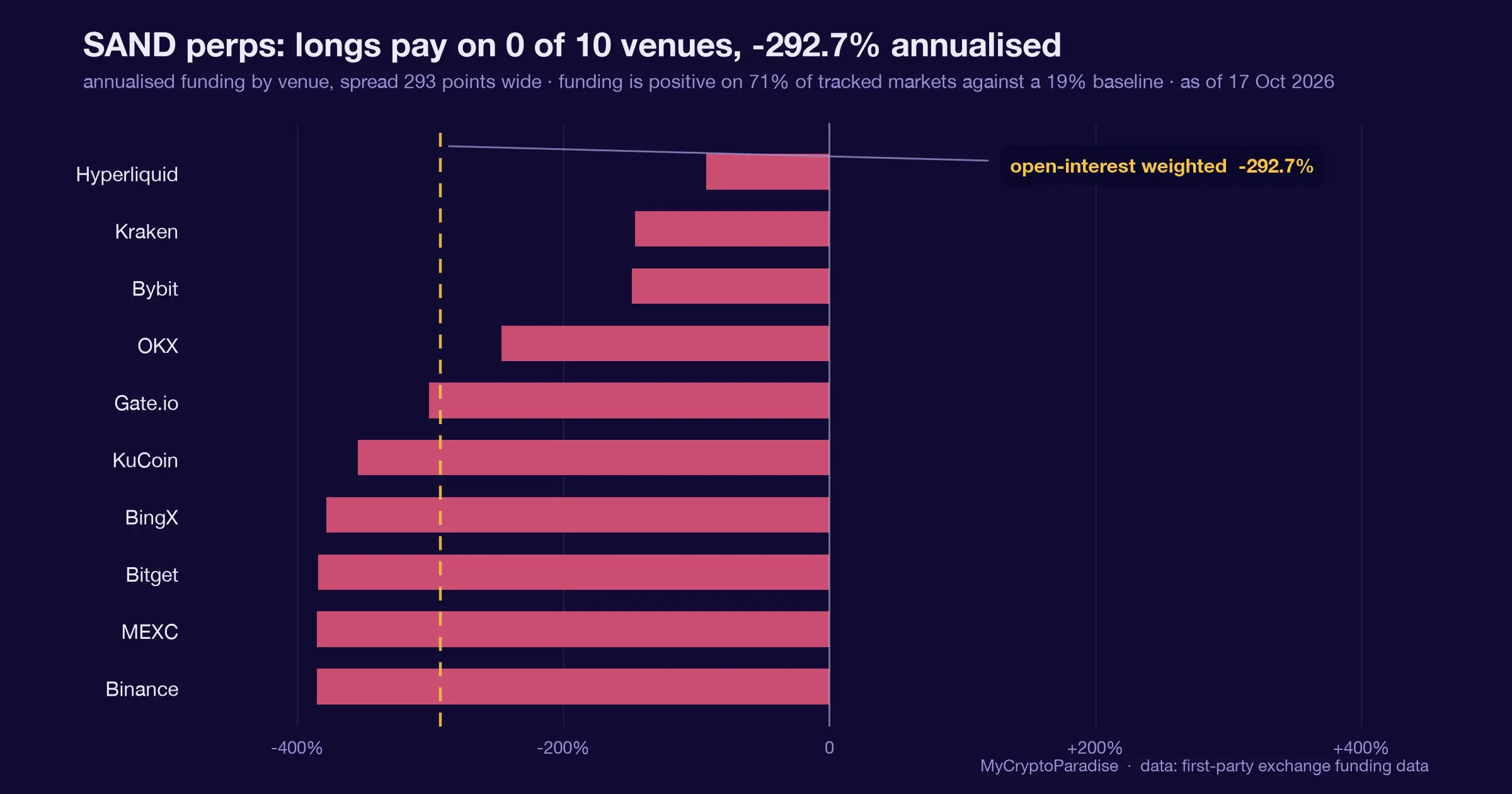
The ParadiseTeam sets the entire exit ladder before the entry order goes in. We read positioning across all major exchanges first, so each tranche sits where a move is likely to pause, not where hope says.
What does scaling out actually do to your risk?
Scaling out converts paper gains into realised cash in stages. Each slice you sell removes capital from market risk and banks it. Your remaining position then rides on money the market already gave you. That shift, from exposure to locked profit, is what lowers the real damage if price suddenly reverses.
This is simply formal risk management applied to the way up. Most traders obsess over the stop loss and forget the exit. Both deserve the same discipline.
It connects directly to how you size the trade in the first place. If you size your risk per trade before entry, scaling out is just the exit half of that same plan. One sets the downside, the other manages the upside.
Think of it as a dimmer switch, not a light switch. You are not simply on or off. You turn exposure down gradually as the move matures and the odds of a reversal climb.
How do you set profit tranches before you enter?
You decide your targets and slice sizes while the trade is still just an idea. Mark two or three price levels where you will sell part of the position. Attach a percentage to each, for example a third at the first target. Writing it down before entry means the plan, not your pulse, runs every exit.
Anchor those levels to the chart, not to round numbers you wish for. Prior highs, clear resistance and measured move targets all work. Learning the signs of spotting distribution helps you place the later tranches where a top is most likely to form.
A workable ladder usually respects three simple rules.
- Anchor every target to real chart structure.
- Make the first slice big enough to matter.
- Keep a runner only when the trend earns it.
| Tranche | Price trigger | Size closed | What it does |
|---|---|---|---|
| Target 1 | First strong resistance | ~33% | Removes your initial risk |
| Target 2 | Measured move projection | ~33% | Banks the core gain |
| Runner | Trend break or trailed stop | Remaining ~34% | Chases the tail of the move |
Treat that table as illustrative, not a formula. Your splits should reflect your conviction and the specific setup in front of you.
Moving your stop as you take money off the table
Taking profit and moving your stop are two halves of one action. As you bank each slice, drag your stop loss up behind price. After the first target, many traders move the stop to breakeven. Now the worst case is a scratch, not a loss.
By the second target your stop can trail under the most recent higher low. The position is no longer risking your capital. It is risking a slice of profit you already locked, which feels completely different.
Be realistic about execution too. In fast or thin markets your fill can drift from your trigger price. Understand slippage on your exits before you lean on very tight stops.
Scaling out versus letting a runner run
Scaling out and holding a runner are not enemies. A runner is simply the last, smallest tranche you refuse to sell until the trend clearly breaks. Both live inside the same written plan.
The honest trade-off is plain. Scaling out early means a lower average exit in a strong one-way trend. You will sometimes sell a third of your coins before a large further move. That is the premium you pay for certainty and calm.
Letting a runner run keeps a small door open to the big move. You do that without betting the whole position on it. A sensible plan books most of the gain, then lets a fraction chase the tail.
What emotional traps come with partial exits?
The main trap is regret after you sell a slice that keeps rising. You feel you sold too soon, so you drift from the plan next time. A second trap is nudging targets higher mid-trade out of greed. Both swap your written plan for live emotion, which is exactly what the plan exists to stop.
None of this is a personal weakness. Researchers have long documented the disposition effect, our tendency to sell winners too early and cling to losers too long. A written scale-out plan does not erase that pull. It just moves your decision to a moment when you are calm.
Here the deadpan truth helps. The market does not know you sold a third, and it will not wait for you to feel better about it.
Building a repeatable scale-out routine
A routine turns a good idea into a habit you can repeat under pressure. Write the same few lines for every trade before you enter. Entry, stop, targets with slice sizes, and the rule for your runner.
Then let the orders do the work. Where your exchange allows it, place the take-profit orders in advance. The decision was made while you were calm, so your fingers never get a vote.
Sitting out is part of the routine as well. If no clean setup exists, remember that waiting is a position too. Forcing a trade just to use your plan is its own mistake.
Four lines capture the whole method.
- Define entry, stop and risk before anything else.
- Set two or three targets with a slice size each.
- Pre-place exit orders where the exchange allows.
- Trail your stop up after each slice fills.
Do that every time and the hardest part of trading, the exit, becomes almost boring. Boring is the point. You already took the risk off the table on the way up.
Frequently asked questions
How much of my position should I sell at the first target?
There is no universal number, but many traders close roughly a third at the first target. That slice should be large enough to remove your initial risk and bank a meaningful gain. The exact split depends on your conviction, the setup and how far your first target sits from entry.
Does scaling out lower my overall profit?
Often yes, slightly, in a strong one-way trend. Selling early means some coins leave before the final push higher. You accept a little less upside in exchange for locked gains and a calmer mind. In choppy or reversing markets, scaling out frequently protects more than a single late exit ever would.
Where should I set my profit targets?
Anchor targets to real chart structure, not to round numbers you hope for. Prior highs, strong resistance zones and measured move projections make sensible levels. Mark them before you enter, while you are calm and objective. If the structure offers no clean target, that is often a sign the trade is not worth taking.
Should I move my stop loss when I take partial profits?
Yes, moving your stop is the other half of scaling out. After the first slice fills, many traders shift the stop to breakeven. That turns the worst case into a scratch rather than a loss. As later targets hit, trail the stop under recent higher lows so you protect the profit already banked.
Crypto trading involves substantial risk and is not suitable for everyone. Nothing here is financial advice; it is education only. Never risk more than you can afford to lose.












Join the discussion 8
Honestly, I used to think the same, Derek! 🤔 But these little chunks… for me, it just means I'm missing the real 🚀 on the big moves. A little risk feels like a requirement some days, no? 😅
carlos what about the one level that matters its the stop right
oh, this is where I've gone wrong so many times... just getting greedy and watching it all melt away later. 🤦♀️ so much less stress this way!
The idea of fixed tranches for scaling out... I don't know... feels like a playbook for others to front-run you, no? Better to let the market give you the signs for a specific close.
yeah i'm with you derek, fixed tranches always feel like they're just inviting trouble and missing the real-time signals 📈😔. you need to react to what the market is actually doing! 💨
maybe it's just me but scaling out often feels like an admission you don't really know what the fair value is. the big swings are what matters, not getting chopped up taking small chunks.
These fixed tranches… I understand the discipline, but sometimes it feels like we're overthinking it a bit, no? The market often moves in its own rhythm, and forcing a plan can mean missing the real exit. ♟️
The scaling out with percentages… that makes sense, and I can see how it helps with the greed Hannah mentioned. But what if the price just keeps going up and up after you sell some? I worry about missing out, sorry!