

In short
When a sanctions headline lands and bitcoin moves in the same minute, the headline usually did not cause the move on its own. Price often moves first, then the story arrives to explain it. To test whether news truly moved the market, check three things: the timing gap, the volume behind the candle, and whether other assets reacted. A real catalyst shows a sharp volume spike within seconds and a move that holds. A coincidence fades fast. Treat every headline as a claim to verify, not a reason to trade. That habit protects you from reacting to noise dressed as signal.
The headline versus the chart: what actually happened
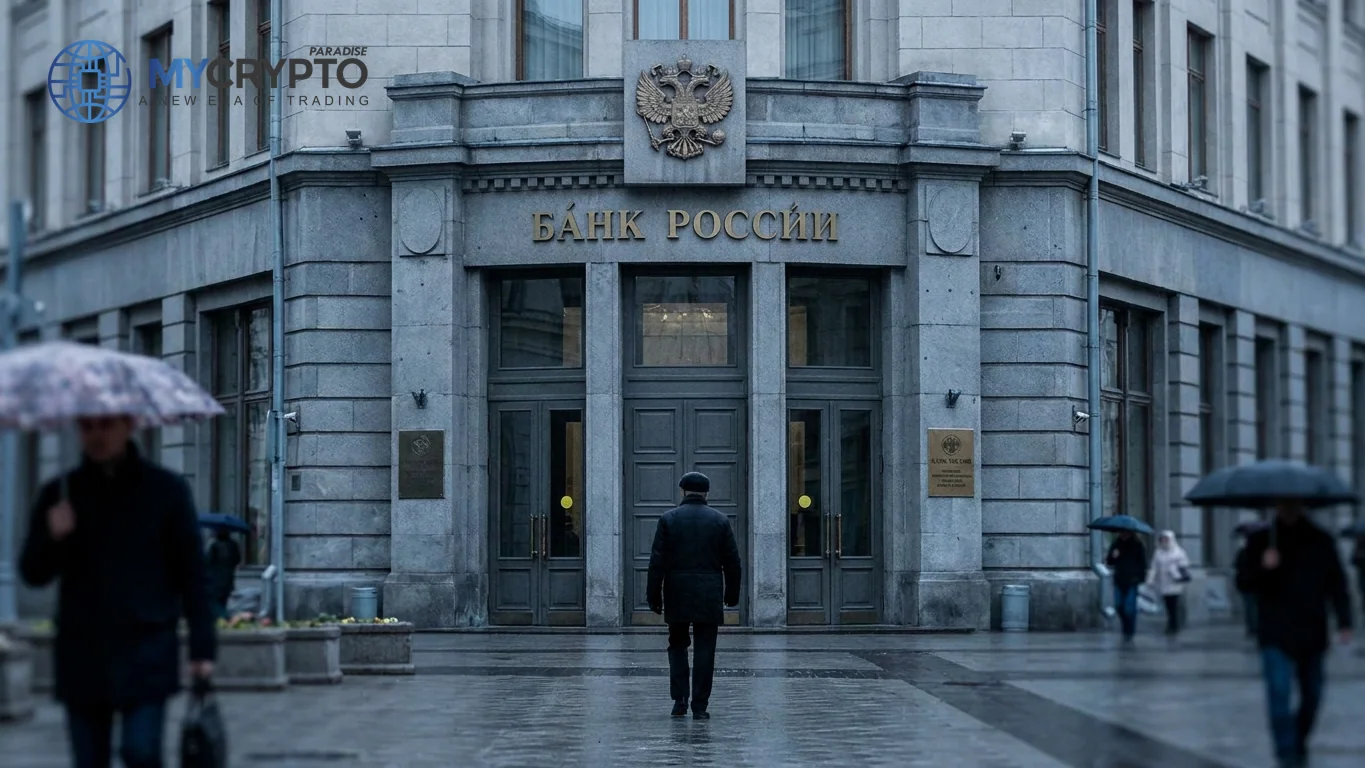
A sanctions story broke around a crypto exchange, and within minutes bitcoin ticked. Commentators lined the two up and declared the headline the cause. Look closer and the sequence often flips: the chart was already in motion before the wire hit.
This matters because your response depends on which is true. If the news is the driver, the move may extend as more traders digest it. If the news is a passenger, the move may reverse once the headline fades from the feed. Learning to read market news with a skeptical eye is a core trading skill.
What is different here
The ParadiseTeam reads live positioning across all major exchanges before we accept any headline as the cause of a move.
How can you test whether news caused a price move?
To test if news caused a move, line up the exact timestamp of the headline against the candle. A true catalyst moves price within seconds, on a clear volume spike, and the move holds. If price already turned before the story broke, the news is a passenger, not the driver.
The order of events is everything. A headline that lands after price turned is a label, not a lever. Traders who skip this check end up buying the story at the exact moment the move is exhausting.
Why does the brain link a headline to a move already happening?
The brain hates randomness, so it builds a cause the moment two events overlap. A headline and a move in the same minute feel linked, even when they are not. This is narrative bias. The market was already moving; the story simply gave your mind a tidy label to file it under.
Professionals guard against this with an event study, a method that measures whether an asset moved more than normal around a specific event. Academics use it to test if news truly mattered. You can do a rough version live: was this candle abnormal, or just Tuesday?
We keep a written thesis so a single headline cannot flip us. When sentiment hit extreme fear this cycle, we explained why we stayed bearish despite the bounce. A plan written in calm beats a reaction written in panic.
What do order flow and volume show that headlines do not?
Order flow and volume show whether real money backed the move. Headlines tell you what happened; volume tells you how many traders acted on it. A move on thin volume that fades within minutes was noise. A move on a heavy volume spike that holds points to genuine positioning behind the candle.
This is why we watch positioning, not press releases. Tools like reading whale alerts and open interest show where size is committed. Open interest, the count of live futures contracts, tells you whether a move has fuel behind it or is running on fumes.
A checklist for reacting to event-driven volatility
When a headline hits mid-session, slow down for thirty seconds and run a short checklist. The goal is not to predict the move. The goal is to separate a real catalyst from a coincidence before you commit capital.
- Match the headline timestamp to the exact candle.
- Confirm a volume spike, not just a price wick.
- Check whether correlated assets reacted at the same second.
- Wait for the move to hold before acting.
- Ask who benefits from the story spreading.
None of this guarantees the next move. It is a probability read, not a forecast. If you lean on a service for these calls, judge it on transparency and track record. Here is how we weigh reliable trading signals.
Frequently asked questions
Does news really move crypto prices?
Sometimes, but less often than headlines suggest. Big surprises, like a regulator’s action or an exchange failure, can move price fast. Most headlines, though, arrive after the move has started. The reliable tell is a sharp volume spike within seconds, not just a story that fits the chart.
How do I know if a headline caused a move or just coincided?
Compare timestamps first. Find the exact minute the news broke and lay it over the candle. If price turned before the wire, the news is a passenger. If price turned within seconds on heavy volume, and the move held, the headline likely mattered. Coincidences fade quickly; catalysts tend to stick.
Should I trade immediately when breaking news hits?
Usually not. The first candle after a headline is often the noisiest and the most crowded. Spreads widen and stops get hunted. Waiting for the move to hold, and for volume to confirm, costs you a few seconds and saves you from chasing a fake. Patience is an edge here.
What does volume tell me that the headline does not?
Volume shows conviction. A headline tells you a story exists; volume tells you how many traders acted on it with real money. A move on thin volume is usually noise that fades. A move on a heavy, sustained volume spike shows genuine positioning, which is far more likely to continue.
Crypto trading involves substantial risk and is not suitable for everyone. Nothing here is financial advice; it is education only. Never risk more than you can afford to lose.



Join the discussion 10
yeah I always look at the futures open interest too, right? 📈 if thats going up when a "headline" hits, its just noise. my lesson learned 😅📉
Yes, Carlos. Open interest rising with volume on a headline is indeed a strong tell. The real test is the subsequent price action at established levels.
Yeah, always worth checking the macro liquidity picture before assuming a single headline did anything... often just confirmation bias playing out. 🇸🇦
I still struggle to believe a single event can move the market like that... the times I've tried to trade on breaking news, I always seem to be late.
even if a single event looks big a lot of the time liquidity is already low when those headlines hit
Derek, meu irmao, single events move the market all the time!! 🔥 What do you think a rugpull is, if not a single event?! 🫠 That thing moves the chart down to zero in a second! 📉
It's wild how often I see a headline and think "that's it!" - but then the market reaction just doesn't follow through on my smaller spot trades. Carlos and Nadia are right, it's rarely that simple.
Lena, that particular spring was formative, wasn't it? It taught me to always look beyond the surface, especially when the crowd is already running.
nah, i find it’s not really *that* wild 🤔 sometimes it’s just delayed, teh market needs a bit to catch up, like a slow pint pour 🍺📈
I hear you on the delay, but even then, for me, it just seems like the *big moves* often come from something completely different than what the headlines focus on. Maybe it's because I'm just doing small spot buys.