

Listen: the breakdown
Market briefing: Strait of Hormuz shipping nearly stopped on Tuesday, just 14 vessels against a normal 120, yet BTC held near $63,803 and ETH near $1,898. We read the calm as smart money absorbing fear, not risk-off taking hold.
- Strait of Hormuz traffic collapsed to 14 vessels on Tuesday, roughly 88% below the usual 120 a day.
- BTC near $63,803 and ETH near $1,898 barely reacted, a muted response we read as absorption, not weakness.
- Watch oil: only a sustained crude spike turns this shipping shock into real crypto risk-off.
The Strait of Hormuz nearly closed for business on Tuesday, yet Bitcoin barely blinked near $63,803. So what does that calm actually tell smart money traders?
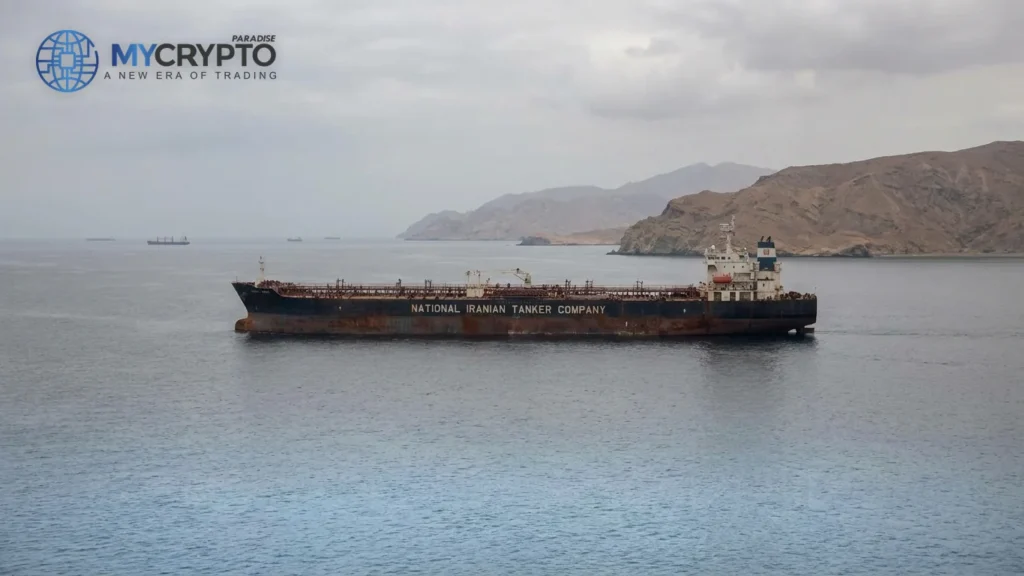
Traffic through the Strait of Hormuz nearly stopped on Tuesday. Only 14 vessels crossed the chokepoint, against a normal flow near 120 a day. That is close to an 88% drop through one of the most important arteries in global energy. A number that size does not happen by accident.
The Strait carries a large share of the world's seaborne oil. When ships stop moving, the market starts pricing risk into every barrel. Higher energy costs feed inflation, and inflation shapes central bank policy. So a shipping story quietly becomes a liquidity story.
Yet crypto barely moved. BTC traded near $63,803, down 0.7% on the day, while ETH sat near $1,898, up 0.7%.
That split matters. A serious geopolitical shock usually drags risk assets lower in a hurry. This time the majors shrugged. To us, that muted response says more than the headline does, because it tells you what is actually driving price right now.
We should be honest about causation. There is no single confirmed catalyst tying this shipping halt to today's crypto tape. We are reading structure, not proving a cause. The story is real; the market's calm is the interesting part.
How a shipping halt reaches crypto liquidity
The mechanism runs through oil, not through Bitcoin directly. A blocked Strait of Hormuz threatens supply, and threatened supply lifts crude. Rising crude is a tax on growth and a push on inflation almost everywhere.
Higher inflation complicates the path for rate cuts. Traders spent months betting on easier policy and looser liquidity ahead. An energy shock can delay that, and delayed easing tightens the backdrop for every risk asset, crypto included. So the channel is simple. Ships to oil to inflation to policy to liquidity to BTC.
But channels take time. Oil has to actually spike, and the disruption has to persist, before that inflation pulse reaches central bankers and then reaches us. Markets understand this, which is why a dramatic shipping figure produced a quiet crypto session.
There is a second, opposite pull worth naming. Acute geopolitical fear sometimes sends money hunting for hard, neutral assets, and Bitcoin occasionally catches that bid. Those two forces, risk-off selling and flight-to-safety buying, can cancel each other out. Today they roughly did, and the tape went nowhere.
Why the majors refused to sell off
Start with Bitcoin, because it leads. BTC near $63,803 barely flinched at news that would have rattled a thinner market. That resilience is the tell: bids are absorbing the fear rather than folding to it.
ETH tells the same story from the other side. It rose 0.7% while the scary headline circulated. When the higher-beta major refuses to sell off on geopolitical risk, it usually means sellers are exhausted, not confident.
Alts are the amplifier. They lean hardest on liquidity and sentiment, so a genuine risk-off wave hits them first and worst. We have not seen that cascade. The absence of an altcoin flush is evidence the macro shock has not reached crypto's plumbing.
In other words, the dog did not bark.
If oil genuinely spikes and stays high, that calm can break. A real inflation scare would drain liquidity, pressure BTC first, then bleed into ETH and finally gut the alts. For now the chain is intact and quiet, and quiet at support is not the same thing as weak.
What turns this shipping shock into selling
Watch oil before you watch coins. A sustained crude spike is the trigger that would convert this shipping story into a crypto story. If barrels stay calm, the Hormuz headline fades into background noise within days.
Then watch how BTC treats its near-term floor. Holding current levels while the geopolitical tape stays ugly is quiet strength. It signals buyers are willing to defend price against bad news, which is exactly what accumulation looks like.
The invalidation is just as clear. A sharp break lower on confirmed escalation, with ETH and alts finally cracking together, would tell us risk-off has arrived for real. That is when muted turns into meaningful.
Volume decides which story wins.
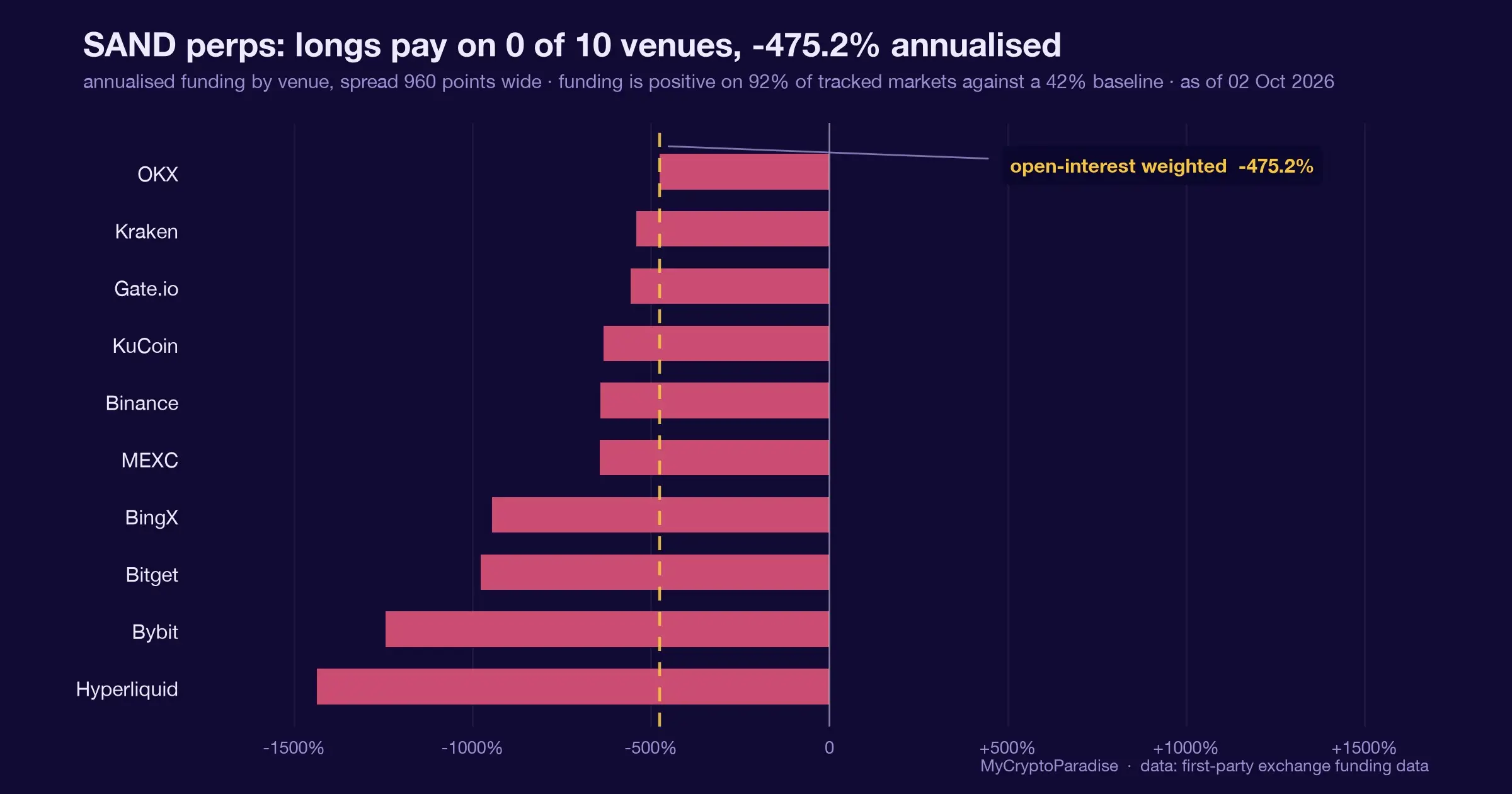
Also watch the crowd. Retail tends to sell geopolitical fear late, right as the news is fully priced. If we see a fear-driven flush that quickly recovers, that is smart money taking the other side. Keep an eye on funding and open interest, OI (open interest), for signs of forced sellers being cleared out before any real move.
What the calm signals at Bitcoin's pivot
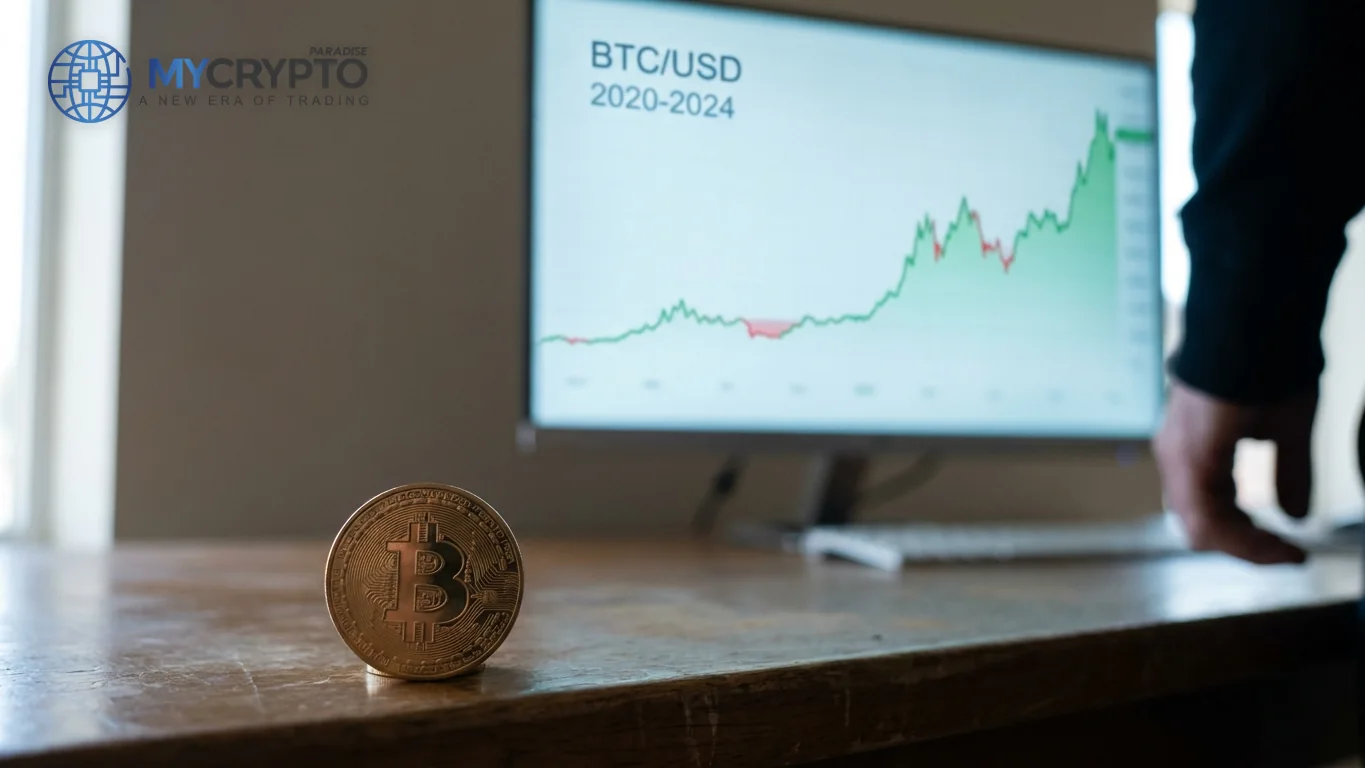
The ParadiseTeam reads this through structure, not through the headline. BTC near $63,803 sits just above the $62,500 four-hour pivot we have been tracking. The Hormuz shock did not break that pivot, and an unbroken pivot on scary news is a quiet vote for the bulls.
Our bias stays cautiously bullish toward $69,000, then $79,000, as long as $62,500 holds. The daily chart still shows a hidden bullish divergence, price carving a higher low while momentum prints a lower low. Geopolitical fear has not damaged that setup; if anything, it is stress-testing it.
Here is the mechanism. Stops sit clustered below $62,500 and again near the $61,000 reaccumulation zone. A Hormuz-driven panic could sweep those stops, and that is precisely where we expect smart money to reaccumulate from retail selling the headline.
Fear near support is fuel, not a verdict.
Confirmation is three higher lows on the daily MACD histogram, a bullish cross, and a reclaim of the daily trend line. Invalidation is a clean loss of $62,500 that then flips to resistance, which opens the door toward $58,000. We stay with the levels and the reaction, not the map of shipping lanes.
Track it live: our Crypto Fear and Greed Index and the live crypto funding rates both update in real time, so you can watch this shift for yourself.
Related coverage
For exact entries, targets, and stop losses with full risk management, that is what ParadiseFamilyVIP is for. New to reading these moves? Start with our crypto trading strategies guide.
ParadiseTeam is monitoring the market situation closely, and we are taking these developments into consideration while building our trading tactics inside ParadiseFamilyVIP.
Crypto trading involves substantial risk. Prices are volatile and you can lose money. This article is educational and is not financial advice. Past performance does not guarantee future results.







Join the discussion
No comments yet. Members, share how you are reading this.