


Listen: the breakdown
Market briefing: October closed as the worst month on record for Web3 security losses at $6.47 billion, nearly all from one Binance breach. BTC sat near $77,782 and barely moved.
- $6.469B lost across 45 October incidents, a Web3 record
- One Binance wallet breach was 97.4% of the total
- October liquidations hit $12.5B, with longs taking 74%
October's final tally landed: $6.469 billion in Web3 security losses, the worst month ever recorded. But one breach was 97% of it. Does that change how you read the number?
The numbers are in, and October 2026 reads like no month before it. Web3 logged 45 major security incidents. Total losses came to roughly $6.469 billion. That is 8.2 times September's $793 million, and 34.4 times August. A record, and not a flattering one.
One breach did almost all of it. The Binance multi-chain hot wallet incident accounted for about $6.3 billion. That is 97.4% of the month's entire total. Strip it out and October looks fairly ordinary.
So this was not a broad wave of hacks. It was one catastrophe and a quiet crowd gathered around it.
Binance has since covered 90% of the losses. The FBI attributed the breach to North Korea. Information security circles now call the period Black October, pairing the mega-incident with a run of AI-accelerated vulnerability research.
The damage was never confined to custody, though. Crypto markets saw roughly $12.5 billion in liquidations across the month. Long positions made up $9.213 billion of that, about 74%. The total market shed around $360 billion, falling near $2.63 trillion.
The report lands, then, as a lagging confirmation of a month already lived, not a new shock arriving today. The headline figure grabs attention. The timing tells you it is history, written up after the fact.
One wallet, not DeFi code, drove October
The headline number scares. The structure beneath it reassures, somewhat. October's $6.469 billion in losses was not a broad failure of DeFi code. It was one exchange hot wallet. That distinction matters for where traders assign risk.
Strip out the Binance breach and the remaining losses sit near ordinary levels. The month was not 45 protocols bleeding at once. It was one custodian carrying 97.4% of the damage, plus a long tail of smaller events. The transmission runs through trust in centralised custody, not smart-contract risk.
That is a narrower wound than the top line suggests.
The macro backdrop still turned risk-off. October saw roughly $12.5 billion in liquidations. Longs absorbed $9.213 billion of it, about 74%. The total market shed around $360 billion, dropping near $2.63 trillion. So the report confirms a month already priced, rather than opening a fresh one.
Black October now names the period in security circles. Pairing one mega-breach with AI-accelerated vulnerability research gives the narrative real weight. For traders, the signal is credibility erosion in custody: slow, cumulative, and cultural, rather than an immediate liquidity event. The number is backward-looking. The mistrust it feeds is not.
Record losses meet a flat tape
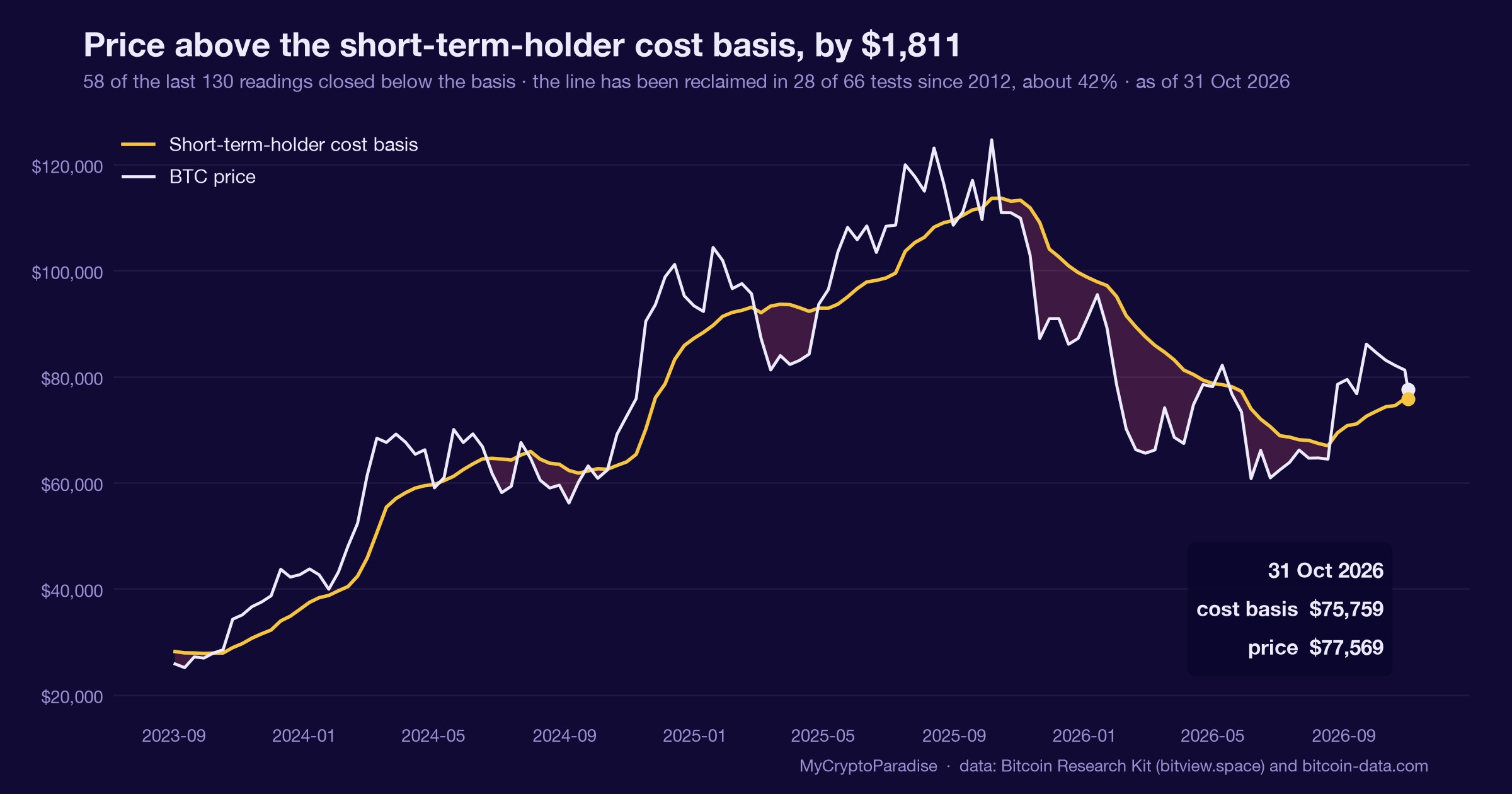
Price barely flinched on the report, and that is the point. BTC was trading near $77,782 as of 11:47 UTC, down 0.1% on the day. ETH held around $2,283. BNB sat near $703.61, AVAX near $8.54. A $6.47 billion scorecard arrived and the tape shrugged.
That calm is not strength. It is a market that already absorbed the shock weeks ago. The Binance losses, 90% covered, were priced when the breach hit, not when the summary printed. A backward-looking number cannot liquidate anyone twice.
Still, the direction of pressure is clear. A record security month erodes confidence in exchange custody. That weighs on the asset class slowly, through wider trust discounts and more cautious flows, even when no candle reacts on the day.
BTC leads the discount, as it usually does. ETH tends to follow with a slightly deeper fade when custody fear spreads. The alts, AVAX included, carry the thinnest liquidity and the sharpest tails if sentiment sours again.
The liquidation math underlines who paid. Longs lost $9.213 billion against $3.29 billion in shorts. Leverage, confident as ever, met the month and lost.
Where custody risk shows up next
Exchange custody is the thread to track from here, not DeFi exploits. October concentrated the damage in one hot wallet. The open question is whether that was an outlier or the start of a pattern. A second major custody failure in the coming weeks would answer it fast.
Reimbursement follow-through confirms or breaks the calm. Binance has covered 90% so far. Full coverage keeps the breach a closed chapter. Any stall or clawback reopens trust questions and would pressure prices.
The AI-accelerated vulnerability theme deserves watching too. Black October paired the mega-breach with a run of AI-assisted exploit research. If that research starts producing fresh incidents in November, the custody discount widens across the board.
Watch the tape for delayed reaction, not instant panic.
Confirmation that this stays a lagging data point looks like quiet ranges holding, liquidations cooling, and flows steadying. Invalidation looks like a new breach, a reimbursement failure, or liquidation clusters rebuilding on leverage. The report itself changes nothing today. What it quantifies, a confidence wound in custody, is the slow risk worth monitoring.
A sentiment data point, not a catalyst
The ParadiseTeam treats this report as a scorecard, not a trigger. It restates October's Binance total, already known and 90% covered. There is no fresh distribution or accumulation printed against its release. ETH, BNB and AVAX all traded inside normal daily ranges.
Our standing read frames hacks as catalysts, not causes. BTC had already topped and reversed before the breach landed, with structure doing the work. Price was near $77,782 as of 11:47 UTC, sitting below the former support zone that ran roughly $79,000 to $87,000. That zone is neutral now and sits overhead as resistance.
The level that matters is the reclaim. A clean move back above that old support band, now resistance, would raise the odds of an attack on the top of the first wave. Reclaiming the 0.618 Fibonacci retracement level is the trigger we watch for price discovery mode.
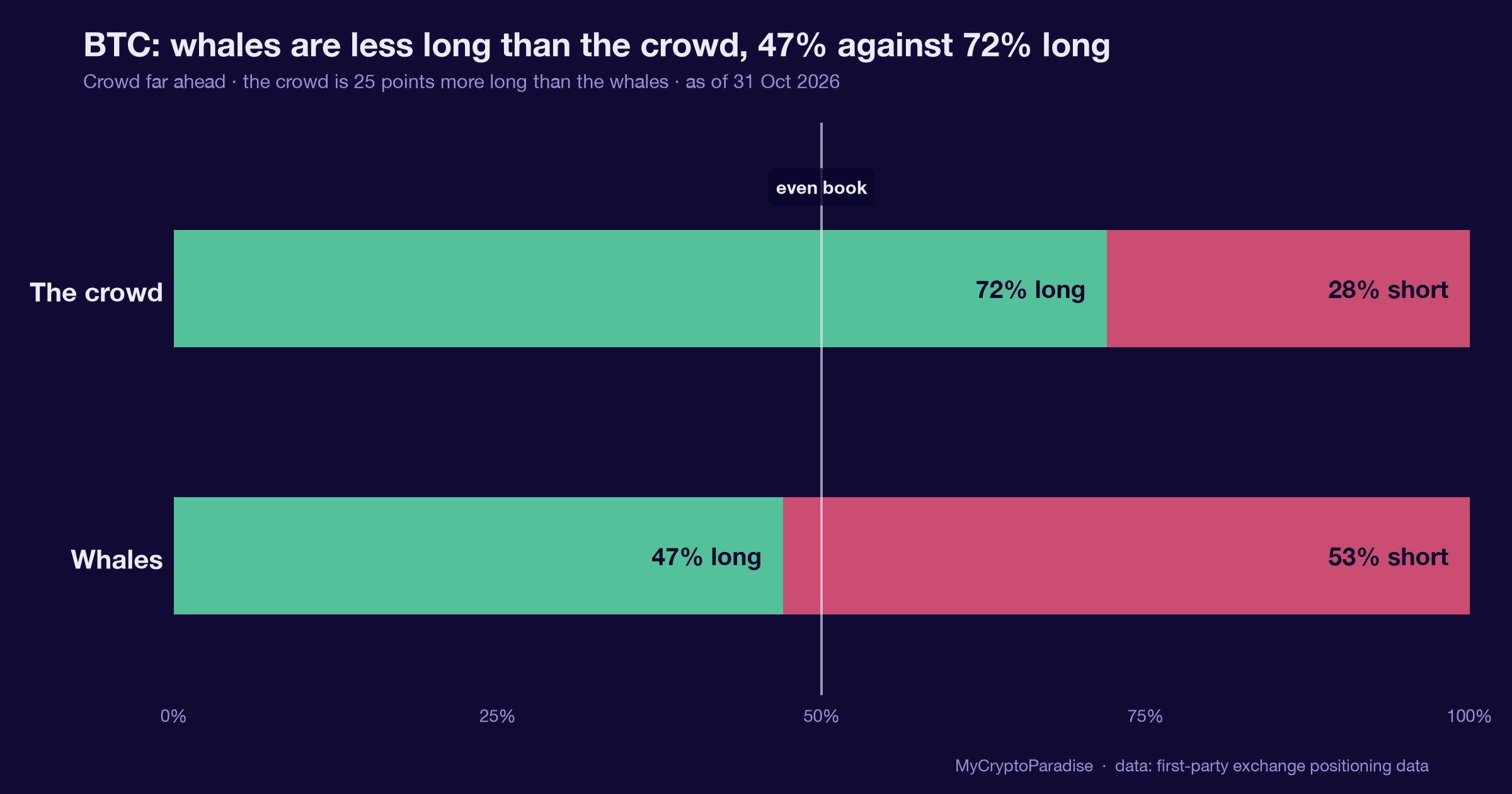
Smart money already repositioned ahead of the crowd. A tracked whale closed a Bitcoin long right before the breach and flipped short. Retail, meanwhile, reacted to the headline. This report feeds that fear narrative without moving the structure.
So we read the number as sentiment, not signal. Confidence in custody is the slow variable. The levels, not the scorecard, still decide the next move.
The read behind this: we framed this story through our own market analysis, Binance Hack: Is Bitcoin's Small Drop Bullish?
Track it live: our live crypto funding rates and the crypto liquidation heatmap both update in real time, so you can watch this shift for yourself.
Related coverage
For exact entries, targets, and stop losses with full risk management, that is what ParadiseFamilyVIP is for. New to reading these moves? Start with our crypto trading strategies guide.
ParadiseTeam is monitoring the market situation closely, and we are taking these developments into consideration while building our trading tactics inside ParadiseFamilyVIP.
Crypto trading involves substantial risk. Prices are volatile and you can lose money. This article is educational and is not financial advice. Past performance does not guarantee future results.
After Black October, does exchange custody become the real risk to watch?
How 2 Paradisers are calling it
The first call is still open
Free account, no password. Members just sign in.












Join the discussion
No comments yet. Members, share how you are reading this.