

In short
Anyone who tells you Ripple is a good investment with certainty is guessing. XRP is the token behind a fast payments network, and it carries real demand and real legal baggage. Whether it fits you depends on five things: its use case, its supply schedule, its legal history, its liquidity, and your own risk tolerance. No stranger can weigh those for you. This guide gives you a repeatable framework to judge XRP yourself. We will not promise an outcome, because no honest analyst can. We will show you how to think, then let you decide.
Why can no one honestly answer this for you?
Because a good investment is not a property of the coin alone. It depends on your time horizon, your risk budget, and the price you pay. XRP can suit one person and wreck another on the same day. The honest answer is a framework, not a verdict.
The question hides a second question. When someone asks whether Ripple is a good investment, they usually mean will it go up soon. That is a forecast, and no one owns a reliable one. What you can own is a process.
The people who lose most in crypto rarely lose to a bad coin. They lose to a bad process: no plan, no exit, too big a bet. We cover the common risk management mistakes elsewhere, and they apply to XRP like anything else.
What is XRP and what is it built to do?
XRP is the native token of the XRP Ledger, a public blockchain launched in 2012. It was designed to move value across borders in seconds for a tiny fee. Banks and payment firms are the target users. The token settles transactions and shields the network from spam through small burned fees.
The design goal matters because it defines the demand story. If cross-border settlement grows on the XRP Ledger, the token has a reason to be used. If it does not, price rests on speculation alone. You can read the network’s own documentation to judge that story for yourself.
XRP is not Bitcoin. It was not mined into existence, and it is not fully decentralised in the way Bitcoin claims to be. Treat it as its own asset, with its own rules.
What is different here
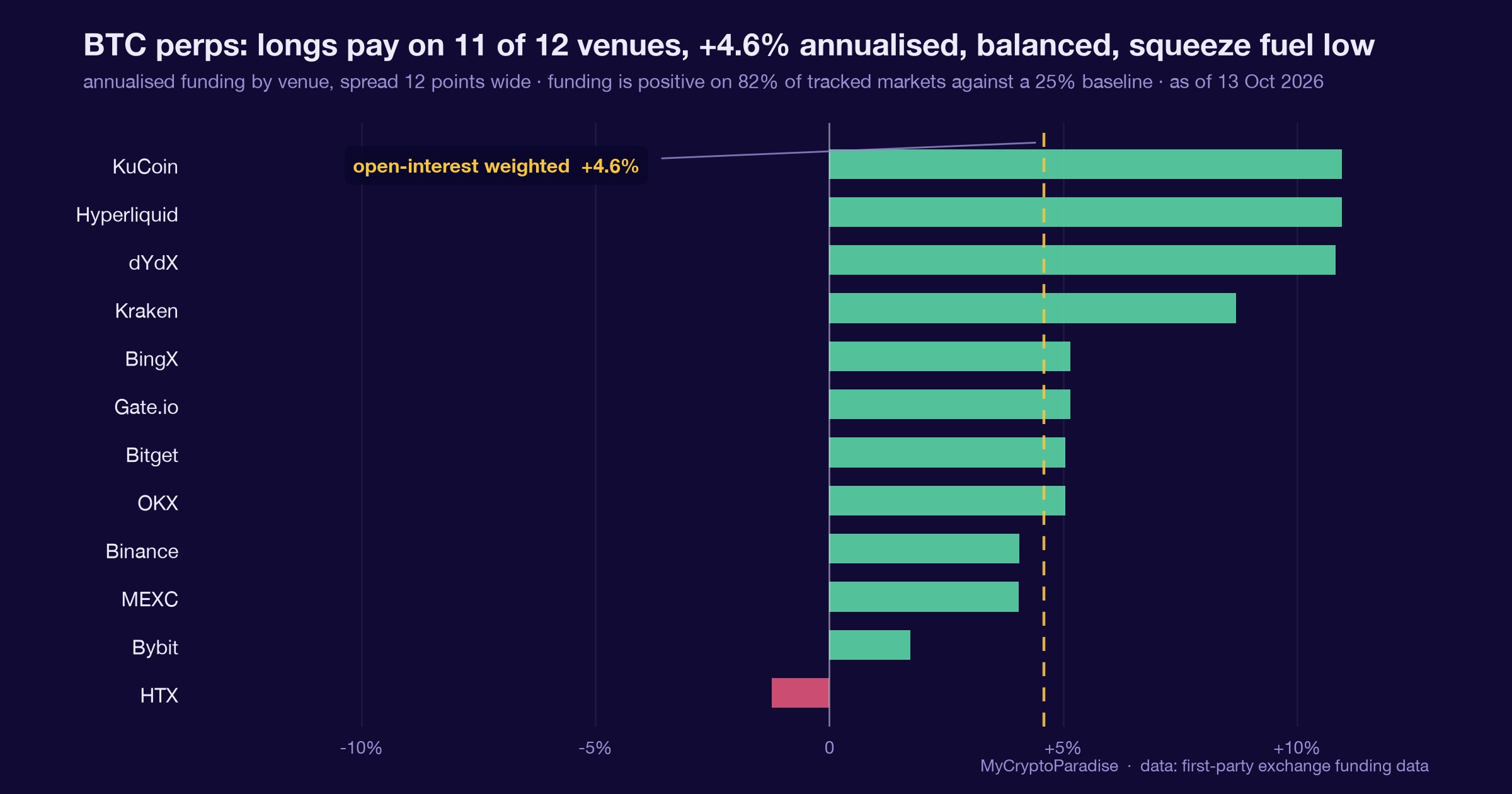
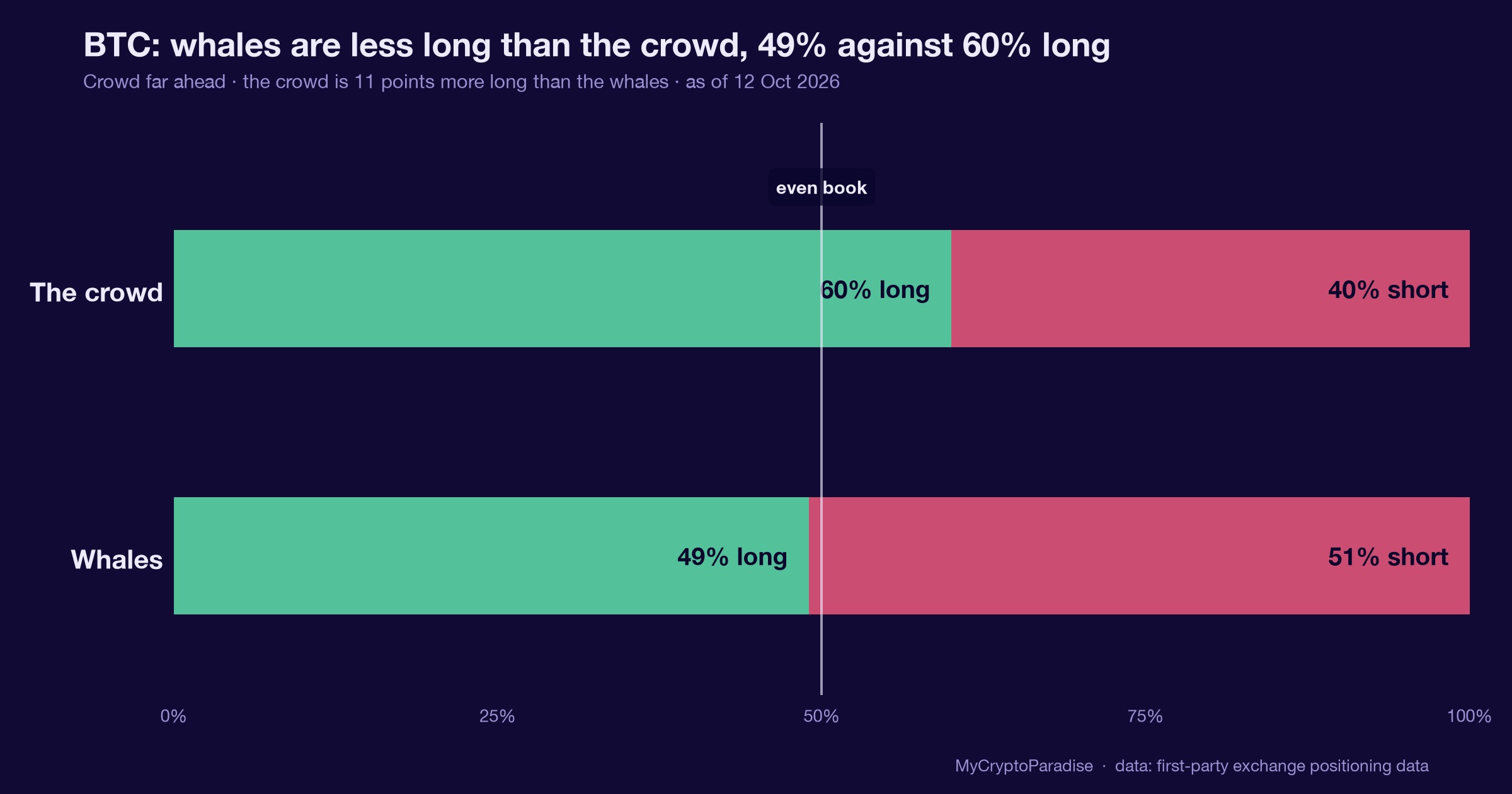
The ParadiseTeam does not act on a single chart. We read live positioning across all major exchanges first. Then we decide whether an XRP move is real or just noise before sizing a position.
The factors that belong in an XRP evaluation
A serious XRP evaluation rests on five factors. None of them predicts price. Together they tell you whether the risk you are taking is one you understand. Work through each in your own words before you touch the buy button.
- Use case: is there real, growing demand for the network?
- Supply: how many tokens exist and how fast they unlock.
- Legal history: what regulators have said and may say next.
- Liquidity: how easily you can enter and exit fairly.
- Risk tolerance: how much loss you can absorb calmly.
Liquidity deserves special care. A coin can look liquid until everyone wants out at once. Knowing how to read price and volume on a chart tells you more than any headline about whether you can actually exit.
XRP is a large altcoin, so it moves with altcoin risk. When we build altcoin signal reads, we start from position size and invalidation, not from a target. The same order of operations protects you here.
How supply and unlocks shape the price
XRP had 100 billion tokens created at launch, and no new coins are mined. Ripple holds a large amount in escrow and can release up to a billion tokens each month.
Those unlocks can add supply to the market, which is a headwind buyers often ignore. Escrow schedules are public, which is more than can be said for most promises in this market.
Legal history is the factor most people wave away. The SEC sued Ripple in December 2020, arguing XRP had been sold as an unregistered security.
A 2023 court ruling found that XRP sold on public exchanges was not, on its own, a security, while some institutional sales were. The regulator’s own complaint announcement lays out the original case, and the rules can still change.
Which risks do people skip when they ask this?
Most buyers skip concentration and unlock risk. A large share of XRP sits with its founders and in escrow, which can add selling pressure over time. Regulation can shift again in any market. And liquidity that looks deep in a calm week can vanish in a crash. Plan for all four.
Concentration is the quiet risk. When a handful of holders and one company control a large share of supply, their decisions move your position. That is not a scandal; it is a fact to price in.
The other skipped risk is your own behaviour. Most damage comes from buying too big after a green week and selling in panic on a red one. The coin did not do that to you; the position size did.
Building your own decision instead of borrowing one
You turn each factor into a written rule before you buy. Decide your maximum position size, your time horizon, and the level where you admit you were wrong. Score XRP against demand, supply, and legal clarity in your own words. If the numbers do not fit your plan, you wait. Discipline is the edge.
Borrowed conviction breaks at the first drawdown. A rule you wrote yourself survives it. Decide the size, the horizon, and the exit before emotion arrives, then follow disciplined risk rules when the market tests you.
This is the discipline we bring to every read. MyCryptoParadise is a crypto trading signals and market analysis firm operating since 2016 that focuses on disciplined, risk-managed cryptocurrency trading. We treat any XRP view as a probability read, not a forecast.
So is Ripple a good investment? For some people, at some prices, with a plan and a small enough position, it can earn a place. For others it will not. The framework is yours now. Use it, and let the answer be your own.
Frequently asked questions
Is Ripple a good investment right now?
No one can answer that honestly for you. Whether XRP fits depends on the price you pay, your time horizon, and your risk budget. Judge it against use case, supply, legal clarity, and liquidity, then size it so a loss cannot hurt you. The decision is personal, not universal.
What is XRP actually used for?
XRP is the native token of the XRP Ledger, a blockchain built for fast, low-cost cross-border payments. It settles transactions in seconds and pays tiny network fees. The target users are banks and payment firms. Its long-term value rests on whether that settlement demand actually grows over time.
Did Ripple win its case against the SEC?
The result was mixed, not a clean win. A 2023 ruling found XRP sold on public exchanges was not, on its own, a security, while some institutional sales broke the rules. That reduced one legal cloud but did not remove regulatory risk. Rules can still shift in any market.
How much of my portfolio should go into XRP?
That depends on your total risk budget, not on XRP itself. A common discipline is to size any single altcoin so a full loss would not derail your plan. Decide the number before you buy, write it down, and never top up a losing position on emotion.
Crypto trading involves substantial risk and is not suitable for everyone. Nothing here is financial advice; it is education only. Never risk more than you can afford to lose.




Join the discussion
No comments yet. Members, share how you are reading this.