

Developing story update (August 02, 2026, 18:16 UTC):
Our latest intelligence indicates a shift in focus from the recent diplomatic exchanges regarding the Strait of Hormuz. The immediate uncertainty surrounding a potential agreement to reopen the strait, previously reported, is no longer the most current development.
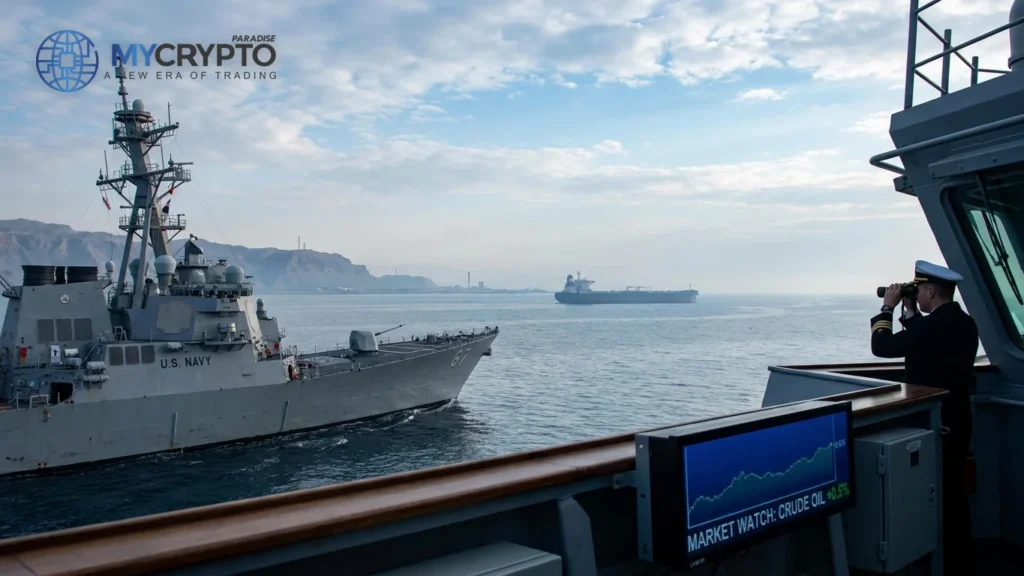
Instead, new details confirm Washington’s objective to prevent Tehran from exporting oil and refined products. This ongoing enforcement is accompanied by reports of tankers near Oman coming under fire, and oil prices holding near $88 as of July 31. CENTCOM also clarified that at least 30, possibly up to 35, commercial vessels have been redirected for compliance.
This reinforces the persistent geopolitical risk in the region, with the situation evolving into a sustained period of operational enforcement and localized incidents rather than immediate diplomatic resolution.
What to watch now: Monitor for further incidents in the Strait of Hormuz and Red Sea, and any shifts in global oil prices.
Listen: the breakdown
Market briefing: Ongoing tensions in the Strait of Hormuz create global risk. Despite mixed signals on de-escalation, this geopolitical uncertainty reinforces a cautious stance for crypto, with Bitcoin trading near $63,242 as of this report.
- U.S. enforces naval blockade of Iranian ports in Strait of Hormuz, redirecting vessels.
- Mixed signals persist, with Trump claiming a deal while Iran denies any agreement.
- Geopolitical uncertainty fuels risk aversion, aligning with a near-term crypto dip.
The Strait of Hormuz remains a flashpoint for global tension, with conflicting reports on de-escalation. How does this ongoing geopolitical standoff impact the broader crypto market?
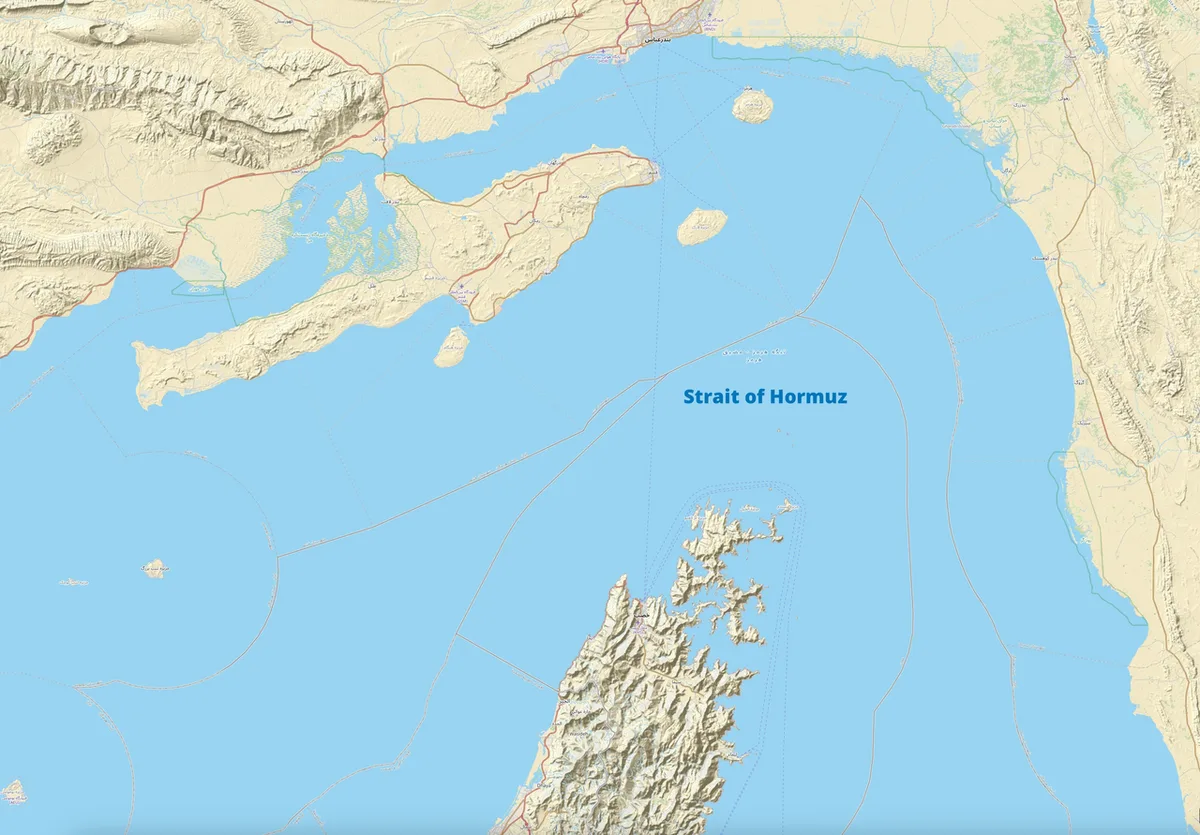
The Strait of Hormuz has been a hotbed of activity since early April. On April 1, the QatarEnergy oil tanker Aqua 1 was struck by two projectiles north of Doha, causing a fire that was quickly extinguished. Days later, on April 4, the IRGC claimed it used a drone to attack the MSC Ishyka in the Strait, alleging its links to Israel.
The broader 2026 Iran war had already disrupted global travel and trade significantly. Flights in and out of the Middle East were halted, forcing shipping companies to reroute vessels to avoid both the Strait of Hormuz and the Red Sea, adding considerable costs and delays.
On April 13, President Trump declared that the U.S. Navy would enforce a blockade of the Strait of Hormuz. This action aimed to halt any ships that paid tolls to Iran, directly targeting the country's revenue streams.
United States Central Command (CENTCOM) later clarified the blockade's scope. It would specifically be enforced only on ships traveling to or from Iranian ports, narrowing the operational parameters but maintaining pressure.
As of July 31, CENTCOM confirmed its active enforcement, stating it had redirected 30 commercial vessels. Furthermore, two vessels were disabled, and two were boarded to ensure full compliance with the blockade. The U.S. continues to enforce these naval operations around Iranian ports.
Adding to the complexity, President Trump stated he canceled planned military action against Iran after talks produced 'agreement perimeters' for reopening the Strait. However, Iran has denied any such deal for reopening the critical waterway, creating a direct contradiction.
Mohammad Bagher Zolghadr, Secretary of Iran's Supreme National Security Council, escalated the rhetoric by stating that continued U.S. naval blockade operations would result in Iran intensifying its control over the Strait of Hormuz. This ongoing standoff, marked by conflicting statements and active enforcement, keeps global energy markets on edge.
Hormuz Tensions Fuel Global Risk Aversion
The Strait of Hormuz is a crucial global chokepoint, essential for the transit of a significant portion of the world's oil supply. Ongoing disruptions or threats to this waterway directly impact global energy markets, creating immediate supply concerns. This geopolitical tension translates into higher shipping costs as vessels must take longer, more expensive routes to avoid the contested area. Such cost increases can contribute to broader inflationary pressures across global economies, affecting everything from manufacturing to consumer goods.
The mixed signals from President Trump, claiming a deal for reopening the Strait, and Iran's outright denial, prevent any clear resolution. This ambiguity fuels uncertainty in traditional financial markets, making investors hesitant to commit capital.
Such sustained uncertainty often leads to a general risk-off sentiment in global assets. When traditional markets face potential volatility from macro drivers like this, riskier assets like cryptocurrencies tend to experience reduced liquidity and increased selling pressure. The ongoing nature of this dispute, without a definitive de-escalation, acts as a persistent headwind for market confidence.
Geopolitical Risk Sustains Liquidity Pressure
The ongoing geopolitical uncertainty in the Strait of Hormuz directly contributes to a risk-off environment, reducing overall liquidity across global markets. Investors tend to move capital away from speculative assets during periods of heightened international tension, impacting crypto.
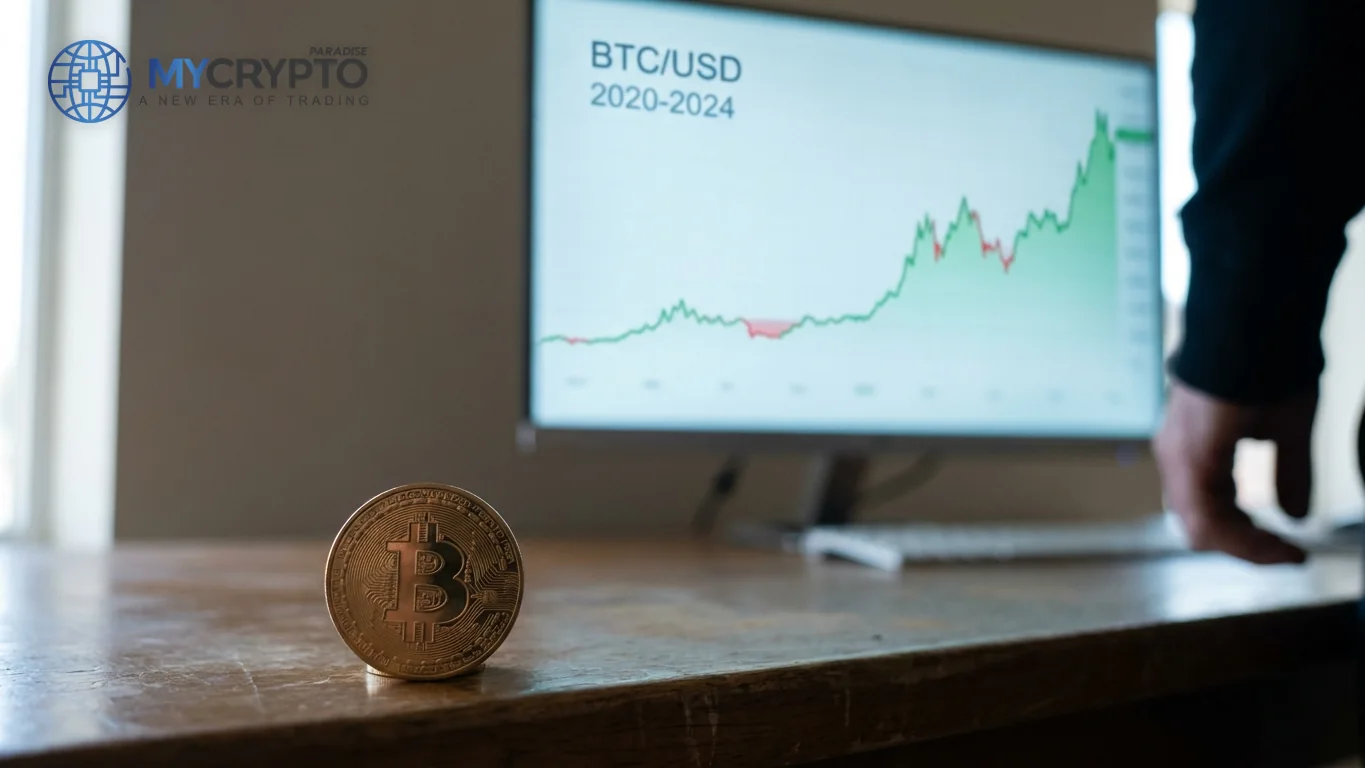
For Bitcoin, currently trading near $63,242, the immediate market reaction has been subdued or flat. This suggests the market is not experiencing a panic sell-off but rather a cautious holding pattern. Smart money is likely using this period of uncertainty to position for future moves, rather than reacting impulsively.
Ethereum, trading near $1867.44, mirrors Bitcoin's calm. As the second-largest cryptocurrency, ETH typically follows BTC's lead in macro-driven market shifts. A persistent risk-off sentiment will likely cap any significant upside moves for ETH, keeping it tethered to Bitcoin's trajectory.
Altcoins, being more sensitive to liquidity conditions and investor sentiment, face a more precarious position. Any sustained downturn in Bitcoin, fueled by this geopolitical risk, would likely lead to more pronounced pullbacks across the altcoin market. Their higher beta means they amplify the movements of the larger assets, making them vulnerable to sustained uncertainty.
Monitoring Key Zones Amid Hormuz Uncertainty
The immediate focus for traders should remain on any concrete developments regarding the Strait of Hormuz. A genuine, confirmed de-escalation or a definitive resolution to the blockade would alleviate the current geopolitical overhang, potentially sparking a broader market rally.
Conversely, any further escalation, such as Iran intensifying its control or additional U.S. naval actions, would likely deepen risk aversion. This would confirm a more bearish outlook for crypto, with traditional markets likely reacting with increased volatility.
From a technical perspective, watch Bitcoin's price action around the $63,000 zone. If this area holds as resistance, especially with declining bullish volume on any reclaim attempts, it would signal a confirmation of the underlying bearish sentiment. This would align with expectations for a further dip.
Traders should also monitor the broader economic indicators, particularly oil prices. Significant spikes in crude oil, driven by Hormuz tensions, could signal escalating inflation fears and reinforce the risk-off narrative. A clear and sustained break below immediate support levels for BTC would confirm the market is pricing in prolonged geopolitical uncertainty.
Reading Hormuz Through Smart Money Accumulation
The ParadiseTeam views the ongoing Strait of Hormuz situation as a key macro driver reinforcing our near-term bearish bias for Bitcoin. The mixed signals and persistent geopolitical risk provide the perfect backdrop for the anticipated dip to the $61,000-$59,000 accumulation zone.
Simon's analysis emphasizes patience, and this scenario plays directly into that strategy. Smart money is not rushing into positions amid this uncertainty. Instead, they are likely preparing to accumulate at lower prices, leveraging the fear and indecision that this geopolitical standoff creates among retail traders.
The $63,000 zone remains a critical resistance level for Bitcoin. A rejection from this area, especially if accompanied by declining bullish volume, would strongly confirm the ParadiseTeam's dip thesis. This would signal that the market lacks the conviction for a sustained move higher at current levels.
Our key buying area for a longer-term bullish move is the $61,000 to $59,000 range. This geopolitical uncertainty could be the catalyst that drives Bitcoin into this zone, presenting a strategic entry for those looking to accumulate. Traders should watch for price action entering this range, along with potential shifts in volume and momentum indicators, for signs of smart money re-accumulation.
Retail sentiment appears mixed, not fully pricing in the potential downside from this complex geopolitical situation. This makes them vulnerable to potential capitulation should Bitcoin dip into our target accumulation zone, creating the liquidity smart money needs.
Track it live: our Crypto Fear and Greed Index tracks this in real time, so you can watch it play out for yourself.
Related coverage
For exact entries, targets, and stop losses with full risk management, that is what ParadiseFamilyVIP is for. New to reading these moves? Start with our crypto trading strategies guide.
ParadiseTeam is monitoring the market situation closely, and we are taking these developments into consideration while building our trading tactics inside ParadiseFamilyVIP.
Crypto trading involves substantial risk. Prices are volatile and you can lose money. This article is educational and is not financial advice. Past performance does not guarantee future results.





Join the discussion
No comments yet. Members, share how you are reading this.