

Listen: the breakdown
Market briefing: USDS circulating supply fell about 39% in a day after one Ethereum swap burned 400 million tokens for USDC. BTC was near $61,469 as of 04:43 UTC, down 3.1% on the day, with no confirmed link to the burn.
- USDS circulating supply dropped roughly 39% in one day, about 2 billion tokens gone.
- One Ethereum swap burned 400 million USDS and paid the sender USDC.
- No confirmed tie to ETH's same-day weakness; this reads as large-capital repositioning.
Source: Ethereum blockchain
A single Ethereum swap just erased about 39% of USDS circulating supply in a day. One wallet, 400 million tokens burned, USDC paid back. Whale exit, or the first crack?
A single Ethereum transaction did what a market panic usually needs days to do. One swap burned 400 million USDS and paid the sender USDC in return.
Inside a day, USDS circulating supply fell by roughly 39%. That means about 2 billion tokens left the count. Stablecoin supply rarely contracts in one clean motion. It usually drains slowly, as holders redeem in small amounts over weeks.
This was different. One actor, one transaction, over a third of the float gone.
That shape matters more than the headline percentage. Retail does not exit a stablecoin as a single 400 million token print. A broad loss of faith looks like thousands of small redemptions, not a lone swap. So the structure points at one large holder or a protocol-side unwind, not a crowd heading for the door.
Here is the honest part. We cannot name a single confirmed catalyst that forced this move, so the why remains our read, not a settled fact.
What we can confirm is the mechanics. The USDS was burned, USDC was paid out, and the token's on-chain float shrank hard. That is textbook redemption plumbing working as designed, just at unusual size.
It lands against a soft tape. ETH was down 4.2% on the day near $1,722.5, and BTC was red too. On-chain liquidity and risk appetite were already thin before this swap cleared, which colours how the market reads it.
One wallet, one swap, a third of supply gone
Stablecoin supply is on-chain liquidity. When a token's float shrinks by 39% in a day, the dollars that sat ready to buy risk inside that ecosystem shrink with it. That is the transmission chain we care about. A large USDS burn removes a block of stable liquidity tied to its pools. Less stable float can mean thinner books, wider spreads, and sharper moves where that liquidity used to sit.
But size and source change the meaning entirely. A 2 billion token contraction driven by one swap is not organic demand evaporating. It reads as a single entity redeeming a concentrated position, cleanly, into USDC. So the macro signal is weaker than the number suggests. One holder leaving one stablecoin for another does not, on its own, tell us retail lost faith in the dollar peg or in crypto.
The nuance is which pool the liquidity left. If it was parked, idle collateral, the hit to tradeable depth is small. If it backstopped active markets, the thinning is real.
That is why we separate the fact from the fear. The burn is confirmed. The claim that it signals stablecoin stress is not. A press release and a balance sheet are different documents, and so are a redemption and a run.
For now, treat this as plumbing, not a verdict on demand. The float moved. The narrative is still ours to read, carefully.
Thin stablecoin liquidity meets a soft ETH tape
Start with what did not happen. ETH barely flinched in the hour around the swap, printing +0.09%, even as it sat 4.2% lower on the day near $1,722.5. That gap matters. If this burn were draining liquidity the broad market depended on, ETH would likely show it in real time. Instead the day's weakness looks independent of the swap, driven by the same soft risk mood pressuring BTC.
So the cascade we usually trace runs quietly here. A stablecoin burn should ripple into ETH, then alts, through thinner on-chain depth. We see the float shrink, but no clean spillover into price yet.
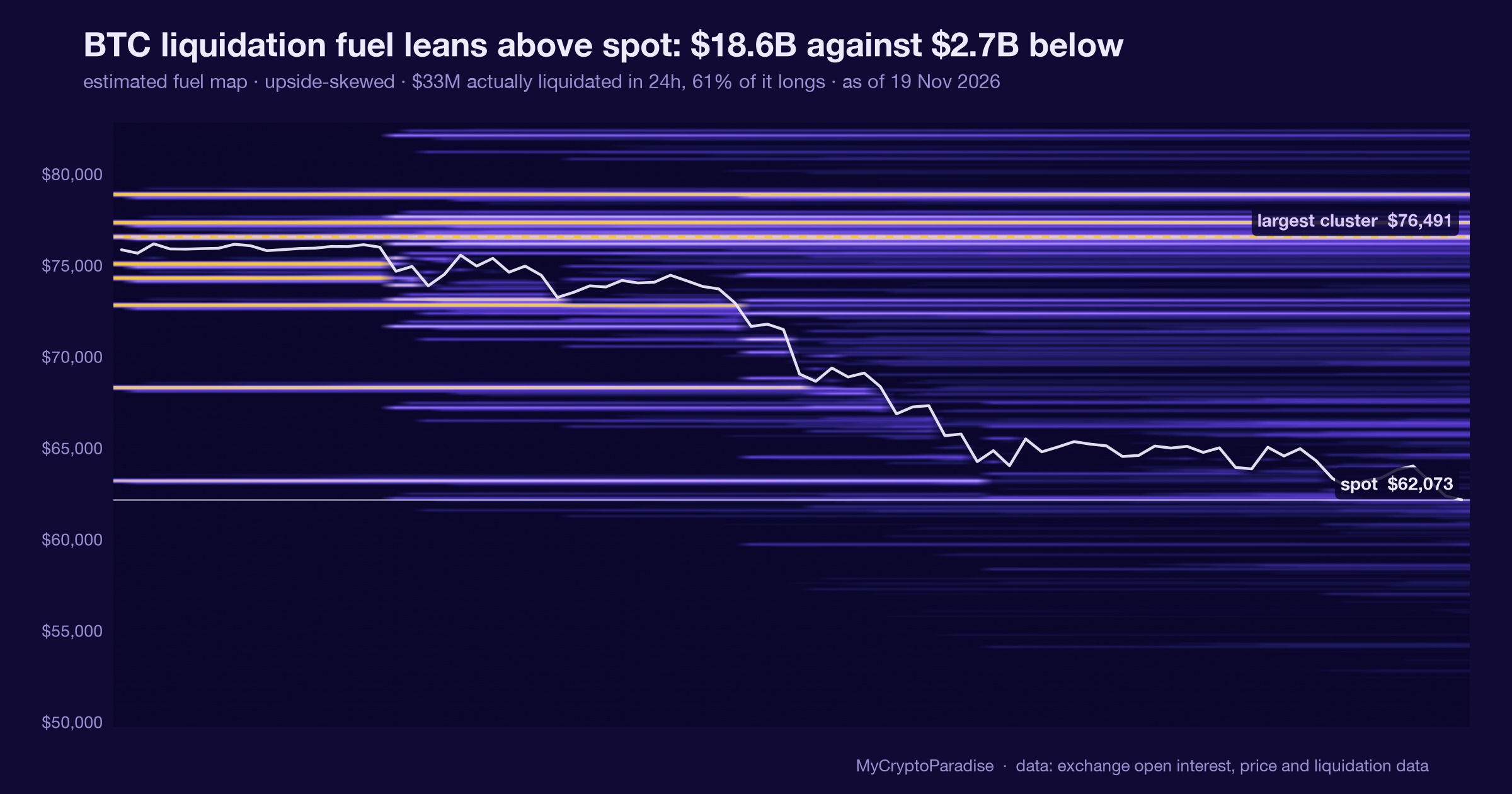
BTC tells the same measured story. It was near $61,469 as of 04:43 UTC, down 3.1%, carrying the whole market's caution rather than a single token's plumbing event.
The real risk sits downstream, not today. If this redemption marks the start of more, pools that lean on USDS could thin further, and that would raise slippage on bigger orders.
Alts are the soft underbelly, as always. They live on shallow stablecoin liquidity, so any sustained contraction bites them before it touches majors.
Our read stays neutral on price. One concentrated redemption, cleanly paid in USDC, is large-capital housekeeping. It reshapes a token's supply without yet reshaping the direction of BTC, ETH, or the broader risk trade.
Signs this was redemption, not a run
The next few swaps settle the question. If this was one holder exiting, the burns stop here and USDS supply stabilises at its lower level. That is the confirming picture. A single large redemption, a clean USDC payout, and then calm. The peg holds, pools re-balance, and the 39% drop becomes a one-off line in the chart rather than a trend.
The invalidating picture looks different. Watch for a second and third large burn, a USDS peg that starts to wobble, or redemption queues that lengthen. That pattern would turn a tidy exit into something closer to stress. So track the token's price against a dollar closely. A stablecoin that stays pinned near par after losing a third of its float is telling you the redemption worked as intended.
Also watch where the freed USDC goes. If it rotates straight into BTC or ETH, that is a holder repositioning, not fleeing crypto. If it exits to fiat rails, the story shifts.
On majors, our line is simple. As long as BTC and ETH trade on the broad risk mood and ignore this burn hour to hour, the event stays contained to USDS plumbing.
The tell we respect most is silence. If depth across major pairs holds and no fresh burns print, the market has judged this a clean redemption. We would agree, and keep our attention on the macro tape instead.
Reading a concentrated redemption through smart money
The ParadiseTeam frames this as liquidity mechanics, not a trade trigger. A 400 million token burn paid in USDC is large-capital housekeeping, and it does not move our BTC map on its own. That map still runs on price structure. BTC was near $61,469 as of 04:43 UTC, below the $64,000 support we have been watching, where a bullish hammer formed earlier. Our weekly bias stays cautious, with $58,000 as the prior low and a deeper flush toward $44,000 still on the table.
This burn changes none of those levels. It is a stablecoin supply event, not a signal about who is accumulating or distributing BTC at these prices.
But it fits a theme we keep flagging. Smart money repositions in single, deliberate moves. Retail reacts in scattered panic to scary headlines. This swap has the fingerprints of the former, not the latter.
So we read the freed USDC as dry powder, not fear. Large holders sitting heavy in stables, much as our own stance leans, can wait patiently for better entries.
The caution is honest. If BTC loses $58,000, thin stablecoin liquidity could make the move toward $44,000 sharper, and a shrinking USDS float is one less cushion.
Our positioning read stays neutral on this story. We watch structure at $64,000 and $58,000 for the real tell, and treat this burn as context, not a catalyst.
The read behind this: we framed this story through our own market analysis, Why Did Bitcoin Crash After the Binance Hack?
Track it live: our Crypto Fear and Greed Index and the live crypto funding rates both update in real time, so you can watch this shift for yourself.
Related coverage
For exact entries, targets, and stop losses with full risk management, that is what ParadiseFamilyVIP is for. New to reading these moves? Start with our crypto trading strategies guide.
ParadiseTeam is monitoring the market situation closely, and we are taking these developments into consideration while building our trading tactics inside ParadiseFamilyVIP.
Crypto trading involves substantial risk. Prices are volatile and you can lose money. This article is educational and is not financial advice. Past performance does not guarantee future results.
Was the 39% USDS burn a clean whale redemption or early stress?
How 1 Paradiser is calling it
The first call is still open
Free account, no password. Members just sign in.










Join the discussion
No comments yet. Members, share how you are reading this.