

In short
Sepolia is an Ethereum test network where developers rehearse an upgrade before it touches real money. Its progress shows the engineering is on track, and nothing more. Glamsterdam is the planned Ethereum upgrade after Fusaka, aimed at faster blocks and fairer validation. A clean testnet run is a milestone for the protocol, not a signal for your position. Upgrades tend to arrive slower than the hype suggests, and much of any price effect gets priced in early. Treat the timeline as background. Judge each trade on its own risk and levels, not on an upgrade date circled on a calendar.
What is different here
The ParadiseTeam reads protocol milestones and market positioning as two separate things. A testnet passing tells us the code is ready. It never tells us where price goes next.
What does the Sepolia testnet stage tell us?
Sepolia is one of Ethereum’s main test networks, a rehearsal space that mirrors the real chain without real value at stake. When an upgrade runs cleanly on Sepolia, it confirms the code behaves as intended. That is genuine engineering progress. It is not a price event.
Testnets exist so developers can break things safely. They run the same software as the live chain, yet the tokens hold no value. Bugs surface here instead of on mainnet, where real capital sits. According to Ethereum’s network documentation, test networks are the standard staging ground before any change ships to the main chain.
For a trader, the useful takeaway is narrow. A successful Sepolia run lowers the odds of a messy, delayed launch. It does not create demand, cut supply, or change what buyers will pay. If you already understand what a trading signal is, you know a real signal points at price behaviour, not at a developer changelog.
What is the Glamsterdam upgrade meant to change?
Glamsterdam is the Ethereum upgrade being planned after Fusaka, named by combining its two layer code names. Developers are discussing faster block times and fairer rules for how blocks get built. The goal is a smoother, more decentralised network. The exact feature list is still being finalised.
Two themes dominate the early Glamsterdam discussion. The first is shorter slot times, meaning the network confirms activity a little faster. The second is fairer block building, so no single party can quietly extract value from users. Both are structural improvements. Neither is designed to move a coin’s price.
It helps to remember the naming pattern. Recent upgrades include Dencun, then Pectra, then Fusaka, and Glamsterdam sits next in that queue. Each combines an execution layer name with a consensus layer name. Ethereum’s public upgrade history lays out this sequence in plain terms.
Why testnet milestones are not price signals
A testnet milestone confirms that software works. A price signal describes what buyers and sellers are actually doing. These are different questions with different evidence. Confusing the two is how traders talk themselves into a position that the market never asked for.
Markets are forward looking. By the time an upgrade reaches its final testnet, the news has circulated for months. Much of the expected effect already sits in the price. Buying the announcement often means buying the top of a move that started earlier. Testnets rarely trend on social media, which is roughly why they reward patience over excitement.
This is also why reading market news works best as context, not as a trigger. A headline tells you what happened. It rarely tells you what to do next with your risk.
How upgrade timelines historically play out for traders
Ethereum upgrades tend to slip. Testnet stages surface issues, dates move, and the final activation often lands later than the first estimates. For traders, the honest pattern is dull. Anticipation builds, the event arrives, and price usually does whatever the broader market was already doing.
Across recent cycles, a rough rhythm repeats around major upgrades. It is worth knowing so you are not surprised by it.
- Hype builds for months before activation.
- Testnet dates slip at least once.
- The upgrade ships with a trimmed scope.
- Price follows the wider market, not the event.
None of this means upgrades are irrelevant. It means the trade sits in your plan, not in the calendar. Solid risk-first trading habits matter far more than knowing an activation date. A good setup survives whether the upgrade ships on time or a month late.
What should traders watch as the upgrade approaches?
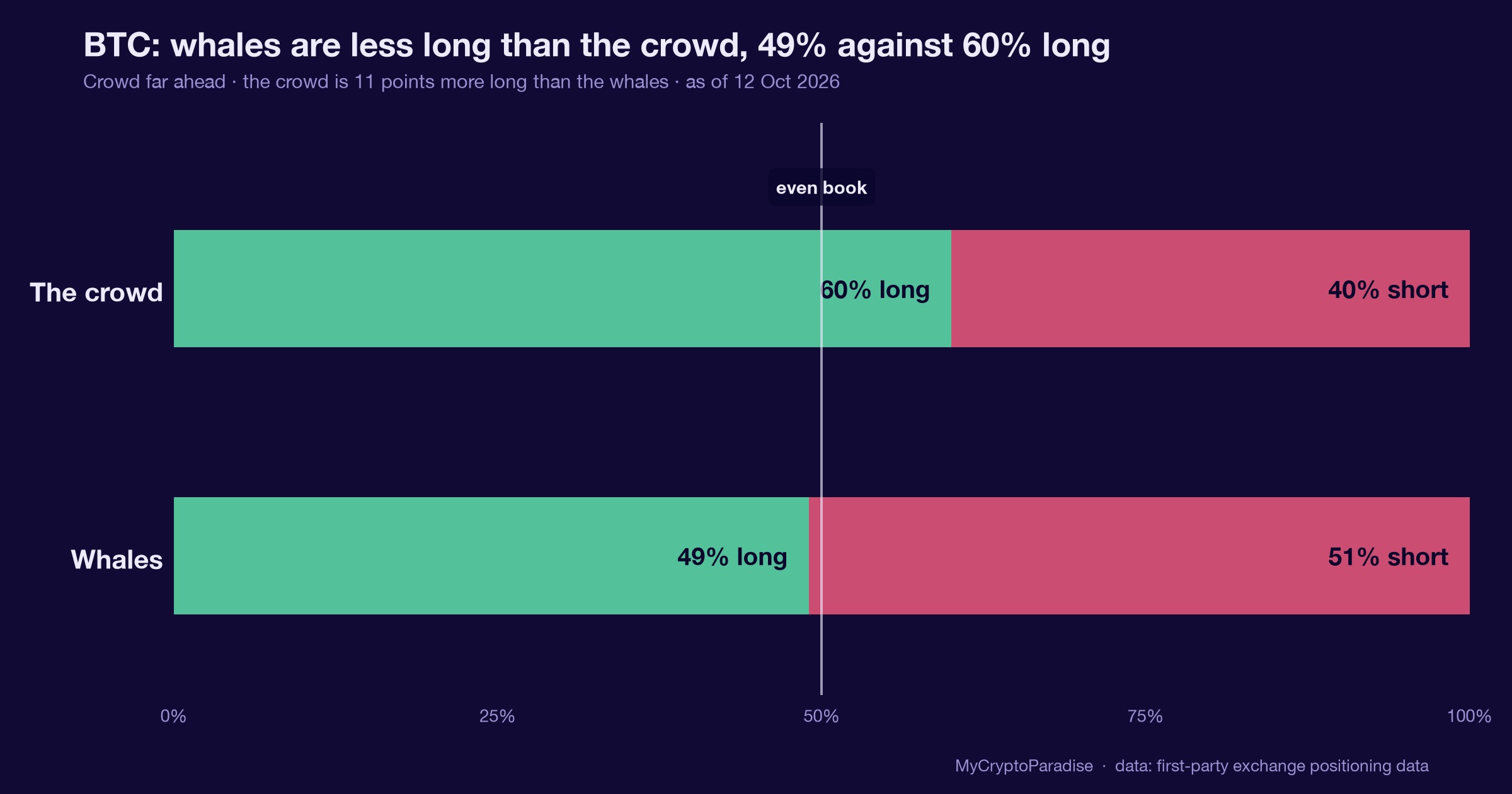
Watch confirmation, not speculation. The signals worth tracking are the final mainnet activation date from core developers and any last change in scope. Then watch how the market positions into that date. If a move is already crowded, the upgrade is unlikely to add much fuel.
Keep the watchlist short and practical.
- Official mainnet activation announcements from core developers.
- Whether the feature scope narrows before launch.
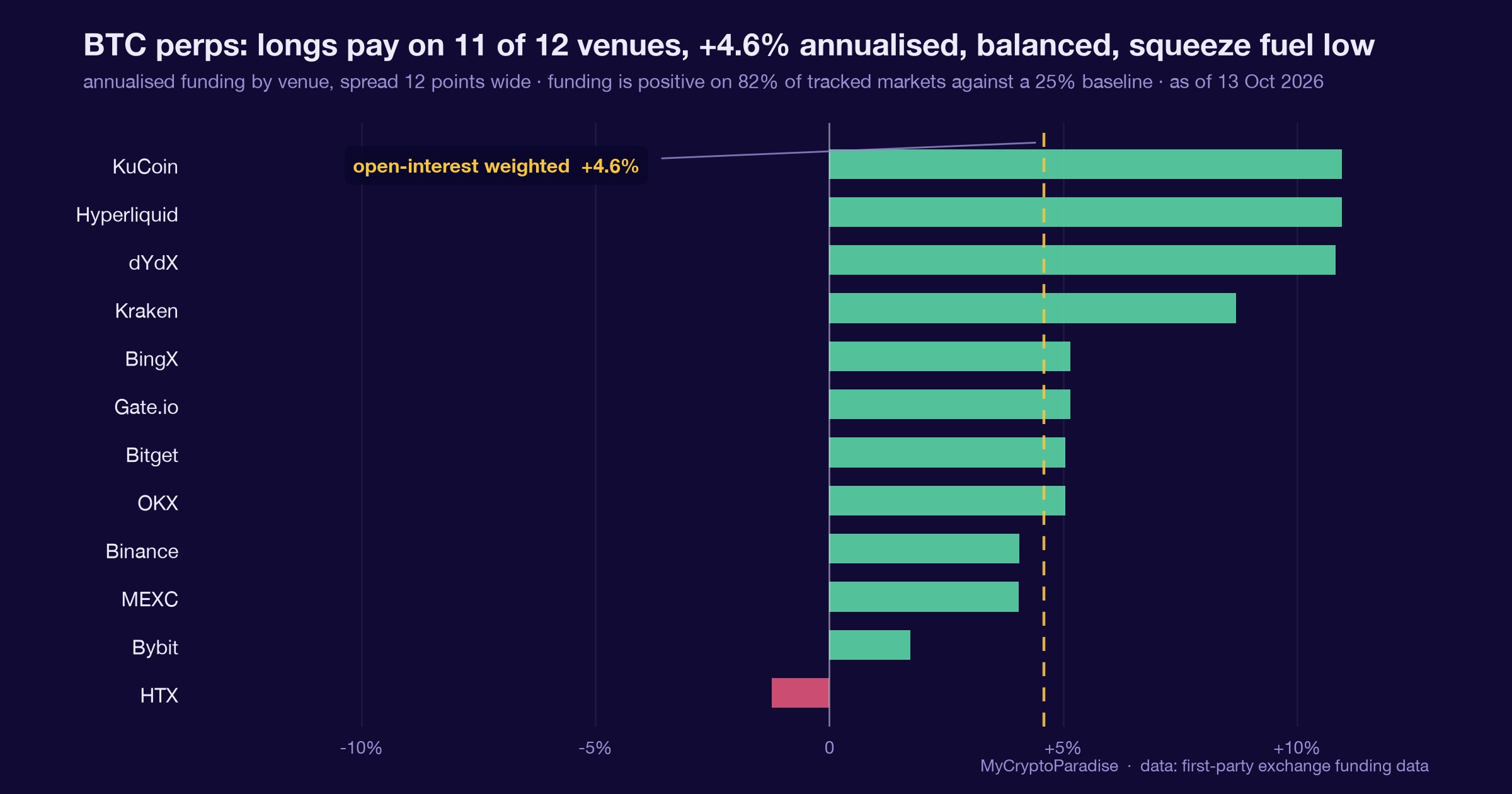
- Funding rates and open interest near the date.
- Signs the move is already priced in.
Above all, keep protocol progress and position sizing in separate boxes. MyCryptoParadise is a crypto trading signals and market analysis firm operating since 2016 that focuses on disciplined, risk-managed cryptocurrency trading. That discipline is exactly why we read an upgrade as context and treat the entry, stop, and target as the real decision. If you want the mechanics, our guide on how trading signals work shows where a genuine signal comes from.
Frequently asked questions
Is a successful Sepolia test a reason to buy Ethereum?
No. A clean Sepolia run means the upgrade code works as planned, which is engineering news, not market news. It changes nothing about supply, demand, or price directly. Treat it as background confidence in the protocol. Base any trade on your own levels and risk, not on the test result.
What is the Glamsterdam upgrade in simple terms?
Glamsterdam is the Ethereum network upgrade planned after Fusaka. Its name combines the code names of Ethereum’s two layers. Developers are working on faster block confirmations and fairer rules for building blocks. The aim is a smoother, more decentralised network. The final feature list is still being decided.
When will Glamsterdam go live?
There is no confirmed date yet. Ethereum upgrades move through several testnets first, and timelines commonly slip as issues appear. Glamsterdam follows Fusaka in the queue, so it arrives after that upgrade ships and stabilises. Watch official announcements from core developers for the activation date, and expect the schedule to shift more than once.
Do Ethereum upgrades usually move the price?
Not reliably. Markets look ahead, so most of an upgrade’s expected effect is priced in during the months of anticipation. By activation day, the news is old, and price tends to track the wider market instead. Some upgrades coincide with rallies and some with drops. The upgrade is rarely the deciding factor.
Crypto trading involves substantial risk and is not suitable for everyone. Nothing here is financial advice; it is education only. Never risk more than you can afford to lose.



Join the discussion 7
nah, I'm still watching that testnet stuff myself. sometimes those moves just start printing, right?! like, what are we missing there? 🤷♂️ 🔪
yeah i used to get all hyped on testnet news too, but four-hour noise is not a signal. 🤦♀️ just wait for the weekly close.
I usually filter the noise by seeing if testnet activity correlates to actual mainnet transactions after a few weeks. It's often just a blip.
I've found looking at dev activity on the project's GitHub, especially the commits to their main repo... can sometimes give an earlier read on serious progress.
Protocol progress is not a price signal" feels a bit much sometimes, no? Especially when the smart money is clearly frontrunning a lot of these upgrades 🧐. That's always where my focus goes.
i learned to fade testnet hype early, Istanbul made me respect volatility more than opinions. liquidity decides.
testnet activity always worth watching for those pump and dumps, a lot of new capital gets caught in those moves.