

In short
Futures scalp trading signals are high-frequency alerts designed to capture small price movements in short timeframes, often minutes. Unlike swing signals, they demand rapid execution and tight risk management due to leverage and minimal profit targets. Evaluating these services requires scrutinizing their transparency, verifiable track record, and how quickly signals are delivered. Scalping carries significant risks like overtrading, high fees, and potential liquidation. It is unsuitable for traders without substantial capital, emotional discipline, and constant market focus. Thorough vetting is essential to avoid services that promise unrealistic returns.
What Are Futures Scalp Signals and How Do They Differ From Swing Signals?
Futures scalp signals are trading alerts that target very small price changes over extremely short periods, typically minutes. They differ from swing trading signals. Swing signals aim for larger price movements over hours or days. Scalping focuses on high-frequency, low-margin trades.
The Mechanics of Futures Scalping: Short Holds, Tight Stops, and Fast Execution
Futures scalping involves opening and closing positions quickly, often within seconds or minutes, to capture minor price fluctuations. This strategy relies on rapid decision-making. Precise entry and exit points are crucial. Strict stop-loss orders manage risks from high leverage and volatile markets.
How Do Fees, Slippage, and Leverage Impact Futures Scalping Returns?
Frequent trades in futures scalping mean transaction fees accumulate rapidly, eroding small profits. Slippage, the difference between the expected and actual execution price, further impacts profitability, especially in volatile conditions. High leverage magnifies both gains and losses, making proper position sizing critical to avoid quick liquidations.
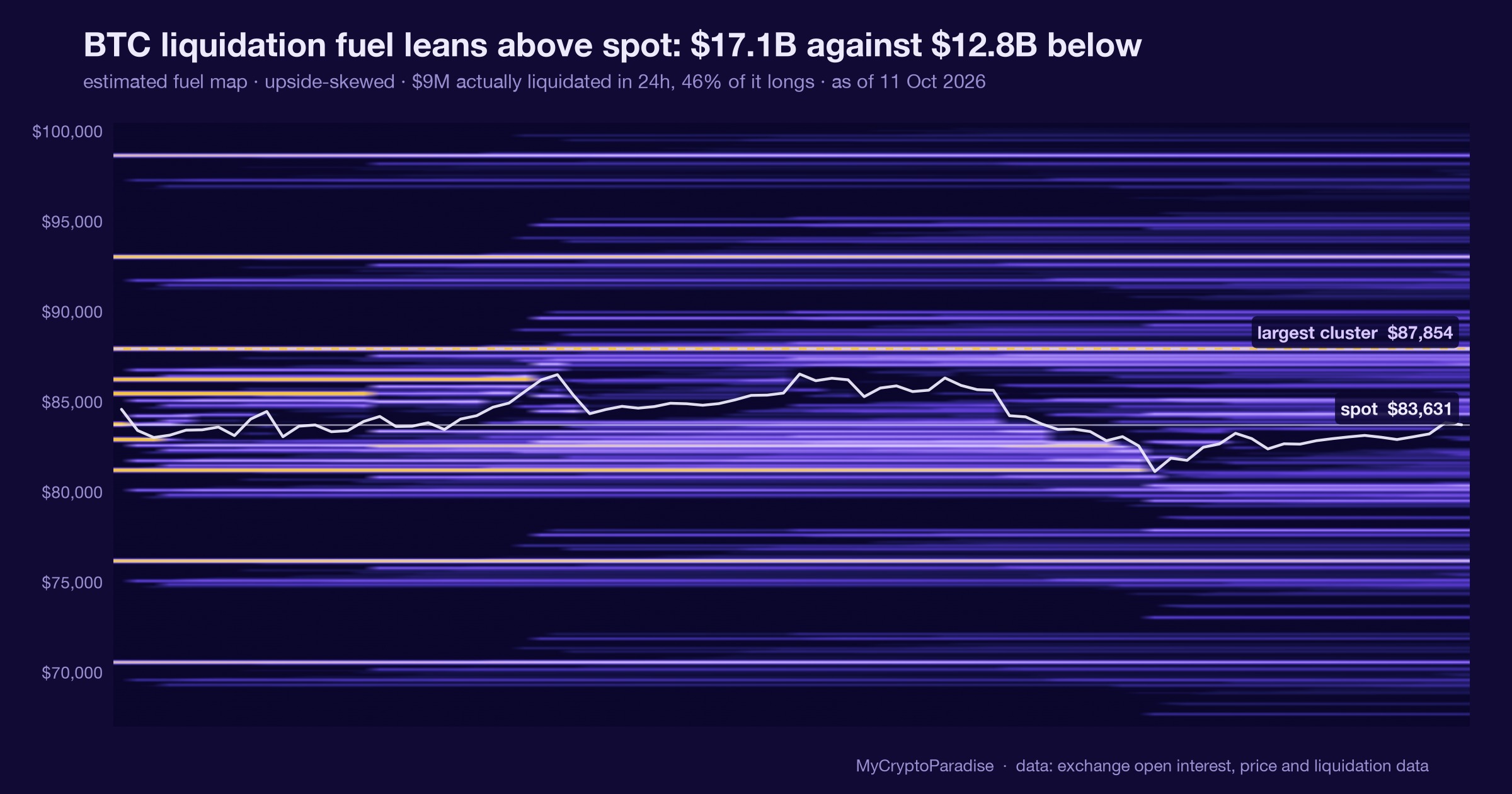
For instance, a 0.05% fee per trade on 50 daily trades can quickly become a significant drag on returns. The ParadiseTeam reads live positioning across all major exchanges. Even then, a slight market shift can turn a planned profit into a loss through slippage.
Why Is Signal Delivery Speed Crucial for Futures Scalping?
Signal delivery speed is paramount because scalp trades operate on razor-thin margins and short timeframes. A delay of even a few seconds can render a signal obsolete. The market price may have already moved past the optimal entry or exit point. This turns a potential profit into a forced loss.
What Are the Honest Risks of Futures Scalp Trading?
The honest risks of futures scalp trading include overtrading, leading to fatigue and poor decision-making. The constant monitoring and rapid execution can also cause significant emotional stress. Furthermore, the use of high leverage dramatically increases the risk of rapid capital loss and account liquidation, especially during unexpected market volatility.
Regulators like the SEC consistently warn about the amplified risks associated with leveraged products. These products are often unsuitable for retail investors due to their complexity and potential for substantial losses.
How Can You Evaluate a Futures Scalping Service Before Subscribing?
To evaluate a futures scalping service, first check for transparent, verifiable track records with real-time results, not just selective wins. Assess their stated risk management practices, including stop-loss strategies. Also, scrutinize their communication channels for clarity, speed, and responsiveness to member inquiries.
We advise applying a thorough due diligence process to any signal provider. This includes understanding their methodology and how they handle adverse market conditions.
Is Futures Scalping Suitable for Your Trading Account and Schedule?
Futures scalping is generally suitable for experienced traders with sufficient capital and a high tolerance for risk. It demands constant market attention, quick decision-making, and significant emotional discipline. This makes it incompatible with a busy schedule or a low-capital account due to high fee drag and liquidation risk.
For many, a more focused approach, such as the Focus Market Method, may be more sustainable. This method involves concentrating on fewer pairs and longer timeframes, reducing the intense demands of scalping.
A Vetting Checklist for Futures Scalping Services
Before committing to any service, use a structured approach to evaluate its claims and performance. This helps filter out providers that lack transparency or effective risk management.
Here is a concise checklist to guide your evaluation:
- Verify their published trading history.
- Confirm their stated win rate and risk-reward ratio.
- Assess their typical stop-loss placement.
- Inquire about average signal delivery speed.
- Understand their fee structure clearly.
- Check their community support quality.
For a deeper dive into evaluating various providers, especially those offering high-frequency alerts, consider guides on crypto futures signal groups. This includes understanding the nuances of different signal types and their suitability for your trading style.
Frequently asked questions
What is the average holding time for a futures scalp trade?
The average holding time for a futures scalp trade is typically very short, often ranging from a few seconds to several minutes. Scalpers aim to capture minimal price fluctuations. Quick entries and exits are crucial to their strategy and risk management.
How much leverage is typically used in futures scalping?
Traders often use high leverage in futures scalping to amplify small price movements into meaningful profits. Common leverage ratios can range from 10x to 100x or more. This depends on the exchange and the trader’s risk tolerance, magnifying both gains and losses.
Are futures scalp signals suitable for beginners?
Futures scalp signals are generally not suitable for beginners due to the high intensity, rapid decision-making, and significant capital at risk. New traders may struggle with fast execution, emotional discipline, and complex risk management needed for successful scalping.
How do I verify the track record of a scalp signal provider?
To verify a scalp signal provider’s track record, look for third-party verified results. Detailed, dated trading logs should include entry, exit, stop-loss, and profit/loss for each trade. Be wary of selective wins or vague claims without clear evidence.
Crypto trading involves substantial risk and is not suitable for everyone. Nothing here is financial advice; it is education only. Never risk more than you can afford to lose.








Join the discussion 25
yeah, the early exit is key... like when a pressure gauge is jumping and you just back off the throttle before a real problem starts.
it is difficult to reconcile the idea of "signals" with something that relies on such thin margins and high velocity, it sounds like building on sand.
100% 🤝. signals for scalp trades just feel like gambling on pure luck 🎲. theres too much noise for a clear read on low TF charts 📉.
I find myself checking a signal provider's actual position sizing for their history, not just win rate. It's too easy to ignore how that affects the reported PnL, right??
and look at liqidation ranges too... for their trades. makes a difference to the reported win rate.
Beyond the win rate Marta mentions, I typically also look for the liquidity of the underlying pair. Without volume, even a good signal is often hard to exit precisely.
i find low volume less of an issue, marco, if your position size is small enough to not impact the order book, its usually fine.
yeah I only ever trust signals from people who *actually* trade what they preach 🤷♀️ too many "gurus" selling dreams 😴 that one bad call on AAVE nearly took me out 🤦♀️.
Eu vejo os sinais como uma peça do quebra-cabeça 🧩. Pra mim, é mais sobre entender A LÓGICA por trás do trade, sabe? 🧠 Assim eu aprendo pra próxima vez. 🔥
i see it differently aisha, sometimes the best info on futures flows come from those who dont trade direction but simply provide the liquidity
i have a hard time seeing these perpetuals as anything but speculative gambling, especially when young people are being drawn into these signals. it doesnt change the underlying thesis for me at all.
Priya, it is not just speculation. These perpetuals are built to take your money, especially from those who can least afford to lose it.
i track futures open interest on perp contracts a lot for directionality its a cleaner signal for funding pressure and potential squeezes than just spot flows
yeah, i track perp open interest for the same, but always overlay with options OI too for where the real volume is building 🤔
i always check for the win rate history, especially when its for scalp signals. its so fast, you really need to see consistent data. przepraszam for asking, but does a higher win rate always mean less risk, or am i missing something?
i learned a long time ago not to chase the small moves with coffee, maybe the same here. its usually a few dollars that cost you pesos.
I found that cross-referencing signals with my own volume profile analysis helps... especially when things are moving fast... Rule 7, "Confirm with the chart, always.
Derek, you seem to be talking about signals as if they help a trader, not the other way around.
milan, its the market that helps the trader, not signals or fancy indicators... rule 7 is about that, about confirming what I think I see with what the actual chart data is showing. my volume profiles are what help me find entries...
Derek - The volume profile, yes. I cross-reference this with the order book depth from aggregated exchange data to confirm genuine shifts.
Vetting signals is about understanding the underlying structure. Without clear zones, it's just guessing at retests.
I remember chasing a few of these signals when I first dipped into futures, trying to stack sats faster. It just ended up being a lot of work for a net zero sum.
Signals for scalping are a funny thing... a lot of people learn about slippage and spread the hard way. Win rate on paper don't tell the whole story.
i tried a couple of those scalp signal groups early on, but its just too quick for me to trust a screen for those kinds of moves
yeah its the same for me - too fast especially when you consider how quickly liquidity can evaporate and you get nasty liquidation wicks