

Listen: the breakdown
Market briefing: Seven Senate Democrats rejected the latest CLARITY Act draft, calling it weak on ethics and consumer protection. BTC held near $66,217 as the market shrugged, and we read the quiet tape as smart money working, not sleeping.
- Seven Senate Democrats rejected the latest CLARITY Act draft over ethics and consumer protection.
- Republicans counter that the bill carries the strongest federal ethics rules ever proposed for digital assets.
- BTC barely moved near $66,217, and a muted reaction to bad news often precedes a leverage flush.
The CLARITY Act draft just got rejected again, yet Bitcoin barely flinched near $66,217. So who is really being set up here, and for what?
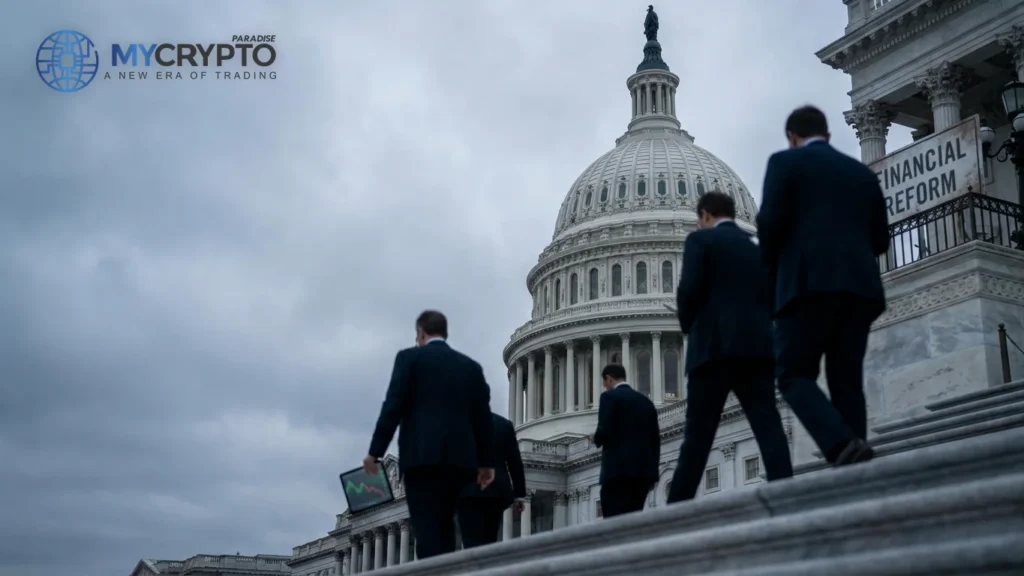
Seven Senate Democrats rejected the latest CLARITY Act draft. Their objection was blunt: it does not go far enough on ethics, consumer protection, and illicit finance.
Republicans see the same document differently. They argue it contains the strongest federal ethics rules ever proposed for digital assets. Both sides cannot be right, and neither is moving.
That gap is the whole story. A bipartisan agreement on crypto market structure remained out of reach, and the timeline for federal clarity slipped once more.
Markets, notably, did almost nothing. Bitcoin traded near $66,217, down about 0.6 percent on the day, while Ethereum sat near $1,937, essentially flat.
This is the part worth pausing on. A headline about legislative failure should, on paper, sting risk assets. Instead the tape stayed calm, which tells you the news was expected and mostly priced.
There is no single confirmed same-day catalyst driving price here. We want to be honest about that. What follows is our interpretation of structure, not a proven cause.
And structurally, this is familiar theatre. Washington debates the rules while capital quietly positions ahead of them. The press release is loud; the balance sheet of positioning is quieter and usually more informative.
So the real question is not whether the bill passes soon. It is who benefits from the delay, and where the trapped money sits while everyone waits.
Why stalled crypto rules keep pressure on
Regulatory clarity is the plumbing beneath every serious allocation decision. Large pools of capital move slowly when the legal frame is undefined.
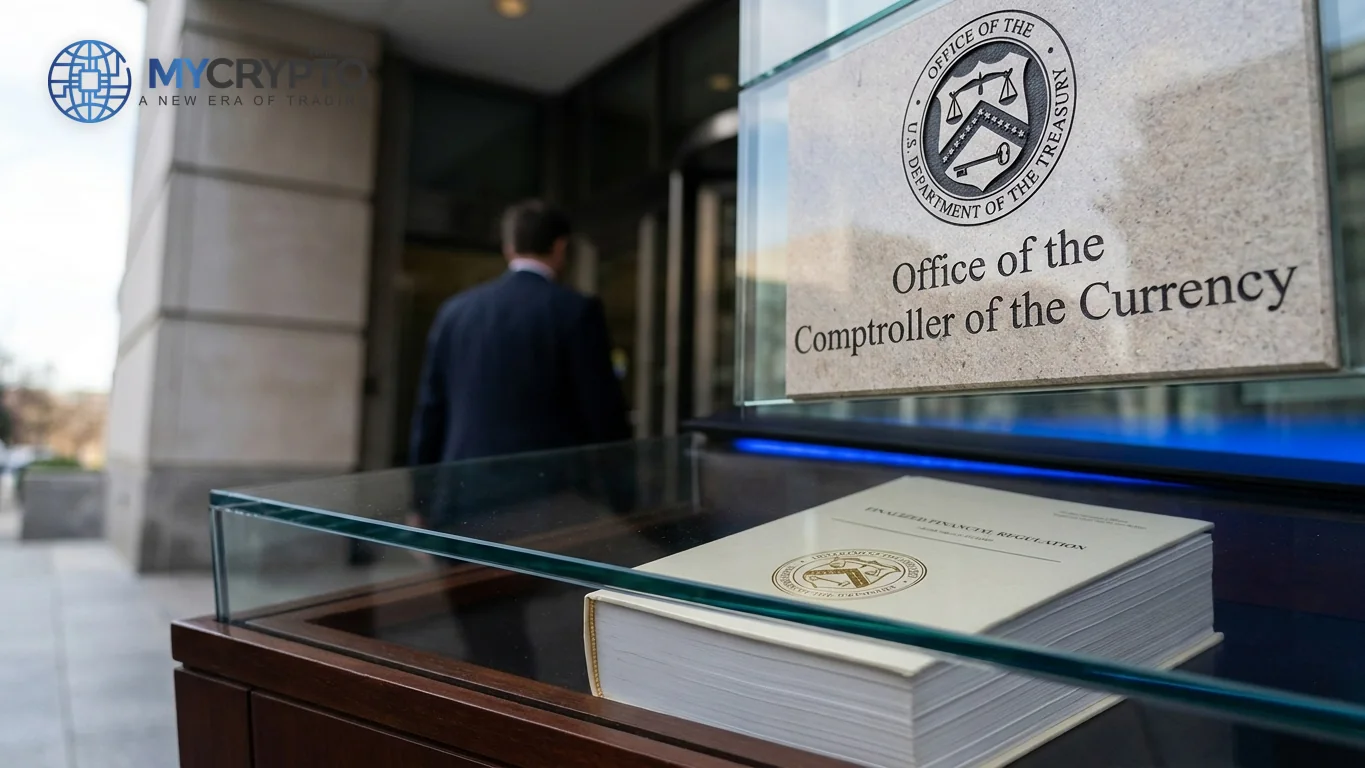
The CLARITY Act rejection extends that undefined state. It does not ban anything or seize anything. It simply keeps the market structure question open, which is a macro condition, not a shock.
That distinction matters for transmission. Bans and enforcement drain liquidity fast. Gridlock, by contrast, drains patience. It postpones the institutional inflows that clean rules would unlock.
Here is the mechanism. Without a settled framework, the biggest allocators wait on the sidelines. Thinner top-tier participation means price is set more by leveraged short-term traders than by long-duration buyers.
And leveraged traders are fragile. A market dominated by borrowed positioning is a market that can be squeezed in either direction with modest effort.
That is the quiet risk the CLARITY Act delay creates. It keeps the float dominated by retail leverage rather than sticky spot demand.
Smart money understands this environment well. Prolonged uncertainty is not neutral for them; it is an opportunity to accumulate from participants who cannot stomach the ambiguity.
So the macro read is not simply bearish. Delayed clarity pressures sentiment, yes, but it also concentrates weak hands, and weak hands eventually become someone else's cheaper entry.
How the muted tape hides real positioning
Start with the obvious: the reaction was small. BTC near $66,217 and ETH near $1,937 both drifted rather than dumped.
A muted response to unwelcome news is itself a signal. It suggests sellers are already positioned and fresh selling pressure is thin.
Bitcoin leads this dynamic. Because BTC absorbed the headline without breaking, it becomes the reference point for whether the wider market panics or holds.
Ethereum tracked closely, down a fraction of a percent. When ETH refuses to lead a selloff on regulatory noise, it usually means the market is coiling, not capitulating.
Alts are the tell to watch next. They carry the most retail leverage and the least sticky demand, so they move first and hardest when a squeeze arrives.
Here is the liquidity logic. Bad news that fails to push price lower traps late shorts and emboldens leveraged longs into thinking the bottom is in.
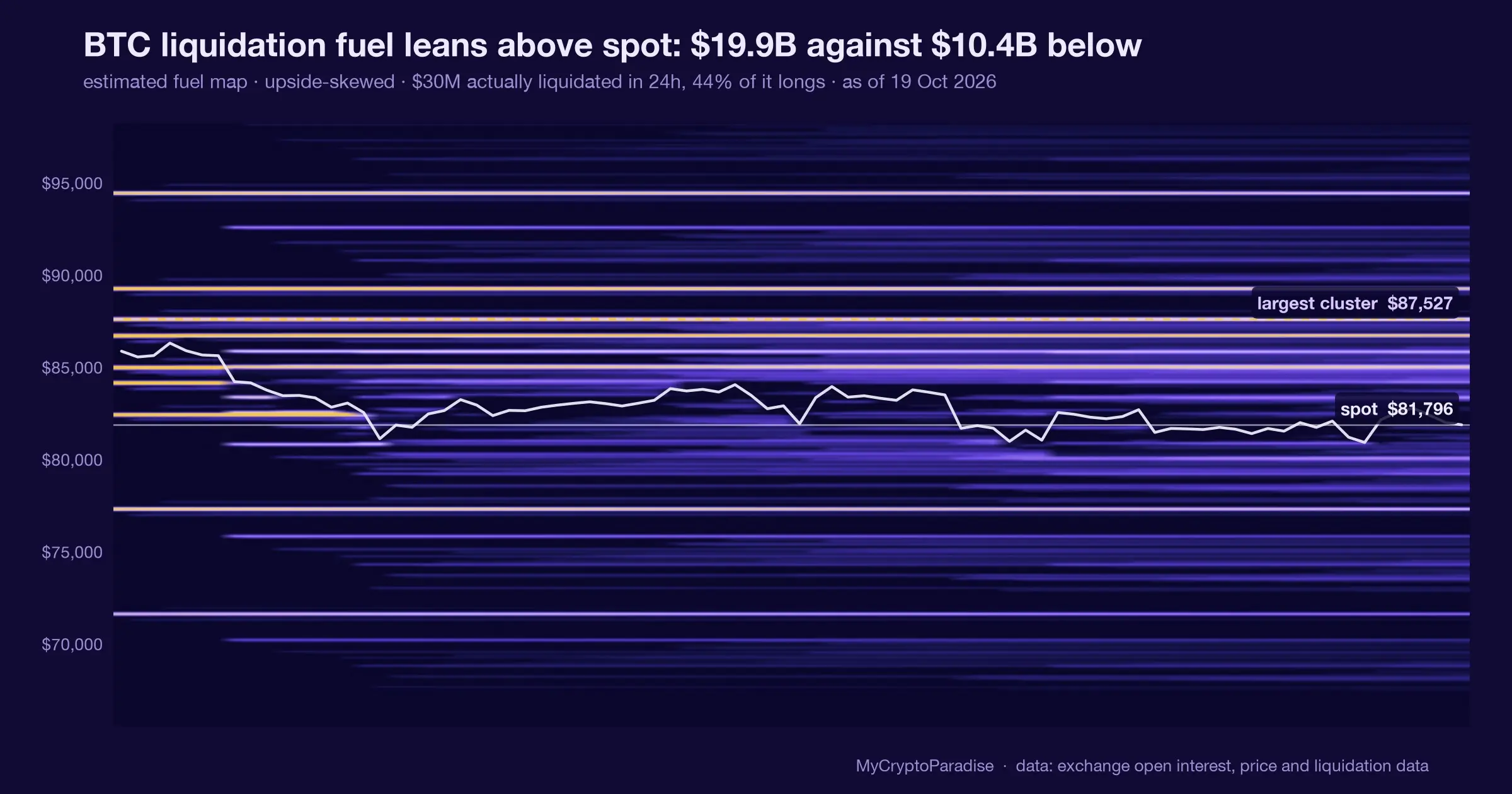
That build-up of confident long positioning is precisely the fuel a long squeeze needs. Stops from those longs cluster just below current price, near the $66K zone.
Smart money reads that stop cluster like a map. A quick flush into those stops harvests forced sellers cheaply, then lets price recover once the leverage is cleared.
So the near-term impact is two-sided by design: pressure toward support first, relief after. The calm surface is doing the work.
What confirms a flush versus a real break
The first thing to watch is behaviour at support, not the headline flow. The CLARITY Act saga will grind on for weeks; price will decide sooner.
A sharp wick lower into the $66K zone that quickly reclaims is your confirmation of a leverage flush. That pattern signals stops were hunted and buyers stepped back in.
Watch open interest, OI (the total value of outstanding derivatives positions), around any such dip. OI collapsing on a wick down means leverage was purged, which is constructive, not alarming.
Invalidation looks different. A slow, heavy grind below support on rising spot selling, with no quick reclaim, argues the delay is genuinely repricing risk lower.
Volume tells you which is which. A flush on a thin, fast candle is smart money at work; sustained high-volume selling is real distribution.
Also keep an eye on ETH relative to BTC. If ETH weakens sharply while BTC holds, alts likely lead a broader shakeout before any recovery.
We covered the ETF-inflow caution earlier today, and this piece extends that thread. The new element here is regulatory gridlock as the pressure source, not fund flows.
The honest caveat stands. With no single confirmed catalyst, treat this as a probability map, not a promise. The market can stay ambiguous longer than any position can stay leveraged.
What this gridlock means for liquidity now
The ParadiseTeam reads this quiet reaction as constructive tension, not weakness. Bad news near $66,217 that fails to break price usually means sellers are already spent.
Our near-term bias leans short-first, bullish-after. We think the path of least resistance is a probe toward the $66K support zone before any sustained move higher.
The mechanism is simple. Retail keeps adding leveraged longs into calm price, so their stops stack just beneath current levels, and that is exactly where a squeeze pays.
Smart money benefits from the delay, not the clarity. Prolonged uncertainty lets them absorb aggressive buyers and re-accumulate from anyone who capitulates on the regulatory noise.
So the read is a flush, then continuation. A fast dip that clears leverage and reclaims support would strengthen the medium-term bullish case.
What would change our mind is a decisive, high-volume breakdown that holds below the $66K zone. That would shift the read from accumulation to genuine distribution.
The ParadiseTeam keeps this risk-first. This is a probability framework built on structure, since the brief confirms no single same-day catalyst is driving the tape.
Position size for the shakeout you cannot rule out, not the bounce you hope for. The traders who survive squeezes are the ones who assumed one was coming.
Track it live: our live crypto funding rates and the crypto liquidation heatmap both update in real time, so you can watch this shift for yourself.
Related coverage
For exact entries, targets, and stop losses with full risk management, that is what ParadiseFamilyVIP is for. New to reading these moves? Start with our crypto trading strategies guide.
ParadiseTeam is monitoring the market situation closely, and we are taking these developments into consideration while building our trading tactics inside ParadiseFamilyVIP.
Crypto trading involves substantial risk. Prices are volatile and you can lose money. This article is educational and is not financial advice. Past performance does not guarantee future results.
Where does BTC go first from here as crypto rules stay stalled?
This is how the Paradisers are calling it. Tap your call.
No calls on this one yet. Tap yours to be the first.
Free account, no password. Members just sign in.
Follow this topic: Crypto regulation news








Join the discussion
No comments yet. Members, share how you are reading this.