



In short
The 3Commas trading bot automates crypto orders across connected exchanges, running strategies like DCA, grid and signal bots without you watching charts. It can place, size and close trades to the rules you set. It cannot supply judgment, a market edge or discipline you do not already have. Costs stack up: a monthly subscription, exchange fees on every fill, and the hidden time to configure and monitor it. Treat any bot as a tool, not a strategy. Before you connect your exchange keys, run the same due diligence you would give any provider. Decide from evidence, not marketing.
What does the 3Commas trading bot claim to do?
3Commas markets itself as an automation layer that sits on top of your exchange. You connect an account, pick a strategy, and the bot places orders for you around the clock. The pitch is simple: remove emotion, trade while you sleep, and follow a plan without flinching.
That promise is real as far as it goes. A bot does remove the panic click and the 3am revenge trade. What it does not do is decide whether your plan is any good. It automates the execution of your logic, not the quality of it. If you are still weighing bots in general, our risk-first guide to bots covers the ground before you narrow to one name.
What is different here
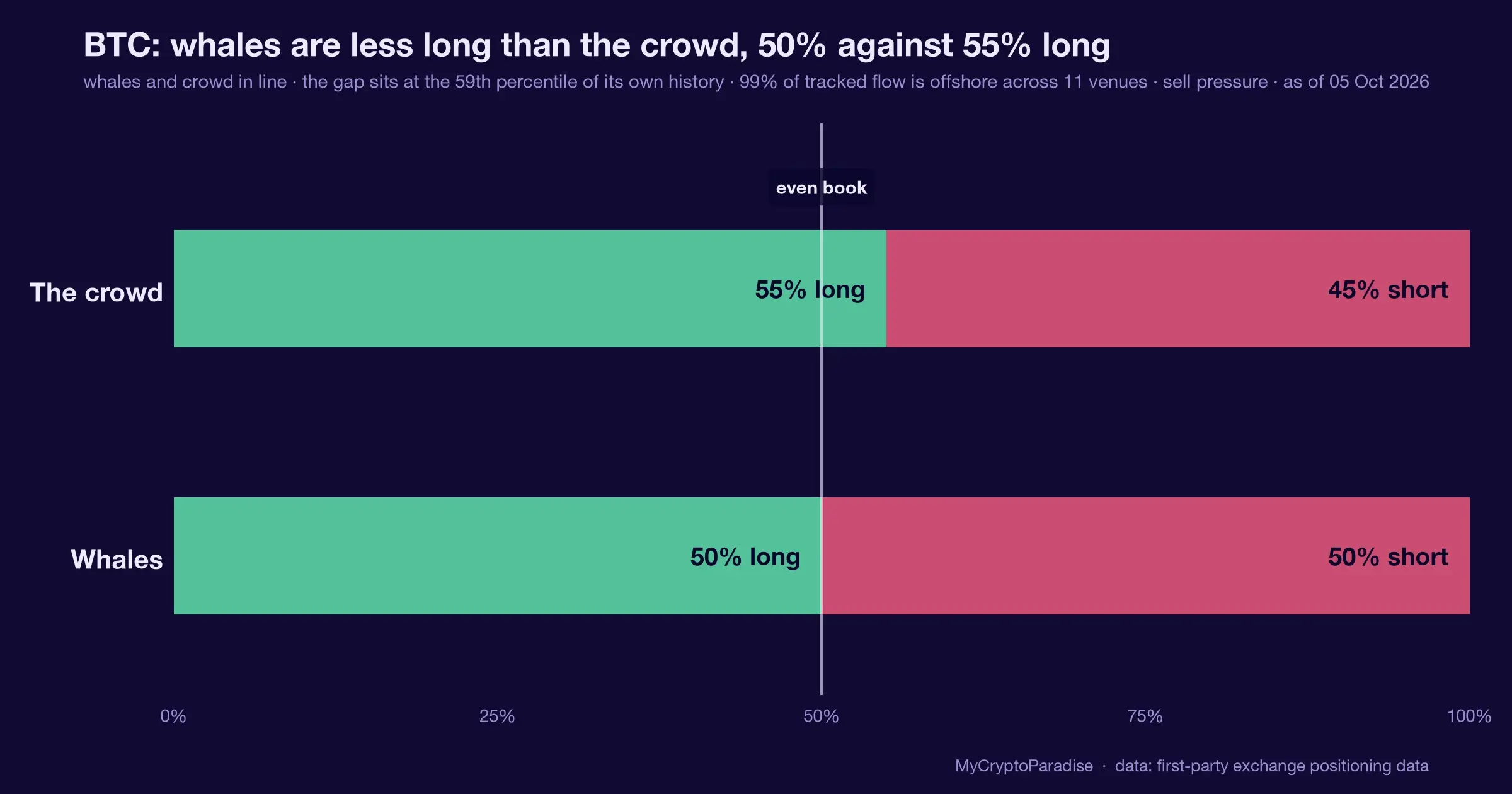
The ParadiseTeam reads positioning across all major exchanges before building any setup, so a bot’s rules become the last step, never the strategy itself.
How do automated trading bots actually work?
A trading bot connects to your exchange through an API key, then places orders when your chosen rules trigger. Common types include DCA bots that average entries, grid bots that trade a range, and signal bots that act on alerts. The exchange still holds your funds.
The key word is rules. A grid bot buys lower and sells higher inside a band you define, which works while price chops sideways. When price breaks the band and trends hard, the same logic keeps buying into a fall. The bot is not wrong; it is doing exactly what you told it. Understanding where automation stops matters more than any single feature list.
What does a trading bot really cost?
Expect three layers. First, a monthly 3Commas subscription, priced by feature tier. Second, standard exchange trading fees on every order the bot fills, which compound with frequency. Third, the hidden time to configure, backtest and monitor it. Frequent trading can quietly outweigh the subscription.
The subscription is the number people compare. The trading fees are the number that actually moves your bottom line. A high-frequency grid strategy might open dozens of small orders a day, and each one pays the taker or maker fee. Over a month, that friction is real money, and it is charged whether the strategy wins or loses.
| Cost layer | What it is | Easy to miss? |
|---|---|---|
| Subscription | Monthly plan, priced by tier | No, it is advertised |
| Exchange fees | Fee on every order the bot fills | Yes, compounds with volume |
| Slippage and spread | Gap between expected and filled price | Yes, worst in thin markets |
| Setup and monitoring | Your time to configure and watch it | Yes, never on the price page |
What limits can no bot solve for you?
A bot executes rules; it cannot judge context. It will not know when a narrative breaks, when liquidity thins, or when a range is about to fail. It follows your logic even when that logic is wrong. Automation removes effort, not the need for a real edge.
Regulators are blunt about this. The SEC’s investor education stresses that no tool removes market risk. The US derivatives regulator has repeatedly warned about automated crypto trading schemes that promise easy returns. There is also a security dimension. In 2022, 3Commas was hit by a documented API key exposure incident, a reminder that connecting any bot widens your attack surface. Most of the errors that hurt traders here are the same ones we cover in common risk mistakes.
How do you run due diligence before you commit?
Treat a bot like any provider you trust with access. Check who runs it, its security history, how fees really stack, and whether its strategies fit your risk. Test small first. Use trade-only API keys. Decide from evidence, not from a marketing page or a screenshot of past gains.
A short, honest checklist keeps you disciplined:
- Confirm who operates it and their track record.
- Review its security history and past incidents.
- Map every fee before connecting funds.
- Match its strategies to your risk tolerance.
- Start with a small, trade-only test.
Run your candidate through each point before you connect anything live.
If you want a structured way to weigh several tools, our framework to compare bots lays out the criteria side by side.
Who does a bot like this suit, and who should avoid it?
A bot like this suits a rules-based trader who already has a tested strategy and wants to automate execution. It suits patient, range-bound tactics. It does not suit beginners hoping the bot supplies the edge, or anyone expecting hands-off profit. The tool amplifies your process, good or bad.
The honest read is a probability read, not a forecast. A bot is likely to help a disciplined trader save time. It is just as likely to speed up losses for an undisciplined one. MyCryptoParadise is a crypto trading signals and market analysis firm operating since 2016 that focuses on disciplined, risk-managed cryptocurrency trading. Our view has not changed across cycles. The edge lives in the analysis and the risk plan. The bot is only the part that clicks the button.
Frequently asked questions
Is the 3Commas trading bot safe to use?
No tool is fully safe. 3Commas connects through exchange API keys, so key permissions and security matter. In 2022 the service faced a documented API key exposure incident. Use trade-only keys, never withdrawal rights, enable two-factor authentication, and treat any connected bot as an ongoing security responsibility, not a one-time setup.
Can a trading bot guarantee profit?
No. A bot only executes the rules you give it, so results depend entirely on your strategy and the market. It cannot judge context or promise returns. Any service claiming guaranteed or no-loss profit from automation is a red flag. Automation changes how you trade, not whether your edge is real.
Do I need trading experience to use a bot?
Yes, more than most beginners expect. A bot automates a strategy you must first understand and test. Without that, you are automating guesswork and paying fees to do it faster. Learn how the market and your chosen strategy behave before you hand execution to any bot, then automate the plan you trust.
What is the difference between a DCA bot and a grid bot?
A DCA bot averages your entry by buying at set intervals or price drops, smoothing your cost over time. A grid bot places staggered buy and sell orders inside a price range, aiming to profit from sideways movement. DCA suits accumulation; grid suits chop. Both struggle in a strong trend against you.
Should I give a trading bot my exchange API keys?
Only with strict limits. Create keys with trading permission but no withdrawal rights, so a breach cannot move your funds off the exchange. Enable two-factor authentication and IP restrictions where offered. Review connected apps regularly. Treat API access as a standing risk you manage, not a switch you flip once and forget.
Crypto trading involves substantial risk and is not suitable for everyone. Nothing here is financial advice; it is education only. Never risk more than you can afford to lose.








Join the discussion
No comments yet. Members, share how you are reading this.