


Listen: the breakdown
Market briefing: Washington sanctioned an Iran-linked Bitcoin insurance scheme tied to Strait of Hormuz shipping. The market shrugged. BTC traded near $63,032, down 2.0 percent, still hovering just above its $62,500 invalidation line.
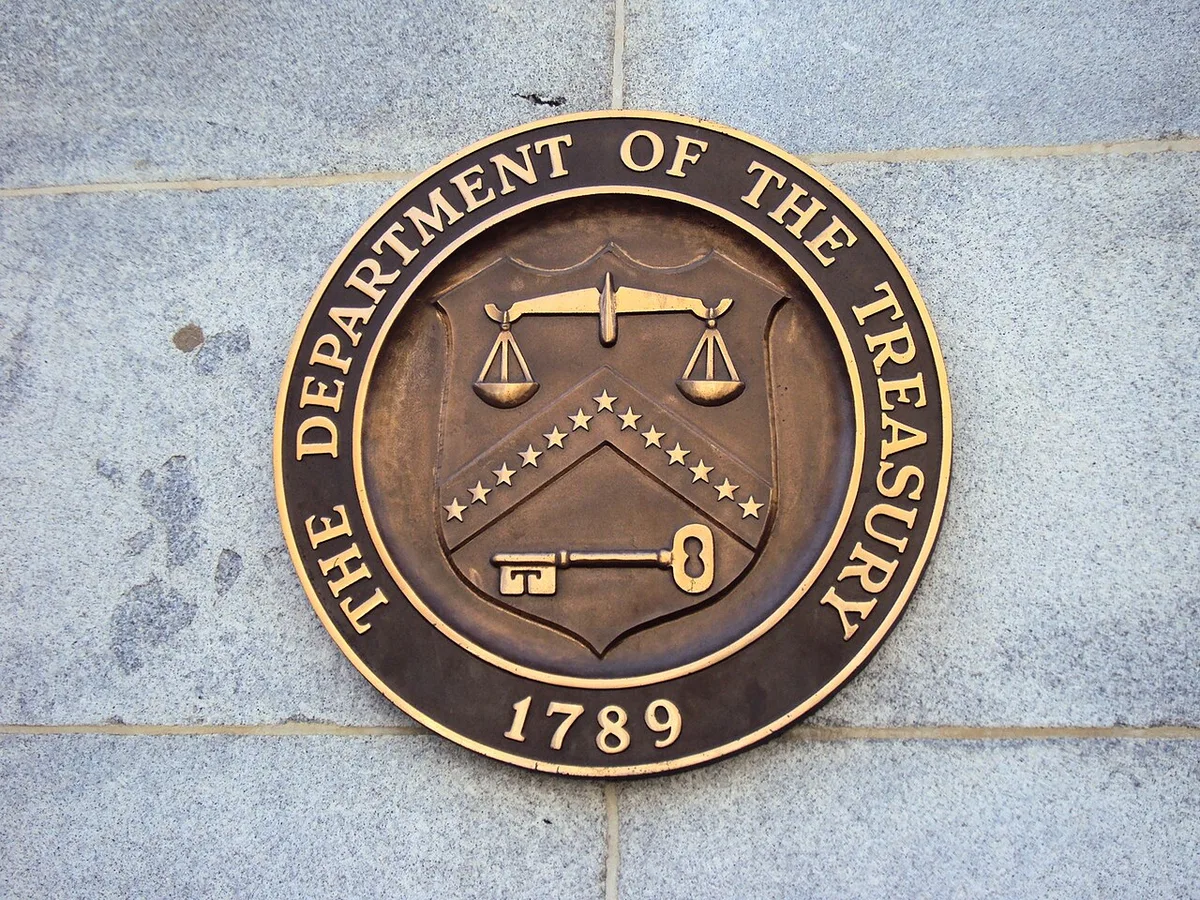
- U.S. Treasury sanctioned two Iranian firms behind a Bitcoin-priced Strait of Hormuz insurance scheme on July 29.
- The Hormuz Safe platform took Bitcoin and other digital assets for mandatory vessel transit policies.
- BTC barely moved near $63,032, keeping the reaccumulation zone and $62,500 invalidation line in focus.
Source: U.S. Department of the Treasury
The Iran Bitcoin insurance sanctions grabbed headlines, yet the tape barely blinked. So does regulatory fear at support mean anything for your levels here?
On July 29, the U.S. Treasury sanctioned an Iran-linked Bitcoin insurance scheme. The action named two Iranian firms: Persian Gulf Marine Insurance Company and HormuzSafe Marine Services Authority.
The scheme worked through pressure, not choice. Commercial vessels transiting the Strait of Hormuz were forced to buy mandatory insurance. The Hormuz Safe platform then accepted Bitcoin and other digital assets to settle those policies.
HormuzSafe emerged only this year. It offered insurance and financial responsibility certificates to ships using one of the world's most strategic waterways. Officials describe the operation as Iran-linked and IRGC-backed.
The crypto angle is what drew the headlines. A state-adjacent scheme reaching for Bitcoin to move value around a chokepoint reads like a plot summary, which is exactly why it travels fast and changes little.
Structurally, this is a sanctions story about illicit use, not about crypto demand. It targets a narrow, coercive payment rail, not exchanges, custodians, or the ETF pipeline that actually moves liquidity. That distinction matters for traders. Sanctions on bad actors do not drain market liquidity. They remove a single sketchy on-ramp while the deep, regulated flows that price Bitcoin keep running untouched.
So the reaction fit the substance. BTC traded near $63,032, down 2.0 percent on the day, well within the range it already occupied before the announcement. The news added a headline, not a catalyst.
Why illicit-use sanctions rarely move liquidity
The transmission mechanism here is thin, and that is the whole point. Sanctions on an Iran-linked Bitcoin insurance scheme hit a specific, coercive payment rail. They do not touch the macro liquidity that actually prices Bitcoin.
Think in layers. Real crypto liquidity flows through regulated exchanges, custodians, stablecoin issuance, and the spot ETF pipeline. This scheme sat far outside all of that, moving policy payments for ships, not portfolio capital.
So the chain from driver to market is short and weak. Sanctions land, retail feels a flicker of regulatory fear, and that fear fails to reach the order books that set price. Nothing structural changes.
Geopolitical risk around the Strait of Hormuz can matter for oil and broader macro. But this specific action is a targeted enforcement move, not an escalation. It punishes an existing scheme rather than signaling a new conflict.
There is a quiet irony worth naming. A sanctioned actor reaching for Bitcoin is often sold as proof the asset is dangerous. In practice it shows the opposite, because a transparent, traceable ledger is a poor place to hide.
For the market that trades daily, the takeaway is discipline. This is regulatory noise aimed at one bad rail. It does not alter supply, demand, or the flows behind the current structure, so it should not alter your framework.
How the tape absorbed the sanctions headline
The price reaction told the real story. BTC traded near $63,032, down 2.0 percent over 24 hours, a move fully consistent with normal chop. No panic wick, no liquidity flush, no break of structure.
That matters because a genuine catalyst leaves a footprint. It spikes volume, widens spreads, and forces liquidations. This headline did none of that, which marks it as sentiment, not flow.
Bitcoin is the lead, and Bitcoin barely flinched. When the majority asset absorbs news without a directional impulse, the signal cascades down. There is simply no shock to transmit.
Ethereum follows Bitcoin's risk tone, and it had nothing bearish to inherit here. Without a BTC breakdown to lead it, ETH has no reason to price a sanctions story tied to marine insurance.
Alts sit at the end of that chain, and they are the most exposed to pure fear. Yet even they need a liquidity driver to move hard. A narrow enforcement action on one scheme does not supply one.
So the redistribution of capital was effectively zero. Smart money reads a targeted sanction as noise and keeps its attention on the reaccumulation zone near $61,000 and the redistribution target near $79,000. Retail may tag the story as bad news, but the tape already voted, and it voted indifference.
Levels that outrank this sanctions story
Forget the headline and watch the structure, because the structure is what pays. The single most important line is $62,500, the invalidation for the current bullish setup. Price sat just above it near $63,032 as the sanctions news broke.
A clean, sustained hold above $62,500 keeps the constructive read alive. It suggests dips into the $61,000 to $59,000 zone are being bought, not abandoned. That is the confirmation traders want before trusting the next leg.
Invalidation is just as clear. A decisive daily close below $62,500, followed by acceptance under it, breaks the bullish structure. At that point the reaccumulation thesis weakens and the weekly $44,000 target moves into view over time.
Volume is the tie-breaker. Higher highs in price should carry higher highs in spot volume. If price grinds up while volume fades, that divergence warns of distribution rather than genuine demand.
The trend line adds a live cue. Watch the 4-hour candle close against the ascending line: a close above it favors a reclaim, a close below it flags a fake-out. That behavior, not the sanctions story, tells you who is in control.
The MACD (moving average convergence divergence) already shows a bearish histogram divergence. It is a caution flag, not a sell trigger. Treat it as a reason to demand volume confirmation before leaning long.
What this print means at the invalidation line
The ParadiseTeam frames this cleanly: the sanctions are noise, the level is signal. With BTC near $63,032 as of the update, the entire read hinges on $62,500, not on a Strait of Hormuz insurance scheme.
Hold above $62,500 and the reaccumulation story around $61,000 stays intact. In that case the ParadiseTeam still eyes a final push toward $79,000, where smart money is positioned to redistribute into strength.
Here is the edge on this specific event. Retail is being handed a fear headline while price sits right at the accumulation shelf. That is precisely where smart money likes to buy discomfort from nervous sellers, so the fear works in the patient trader's favor, not against it.
Stops are the tell. Sell stops cluster just under $62,500 and into the $61,000 to $59,000 pocket. A sweep of that zone on a sanctions-driven flush would more likely feed accumulation than start a trend, which is the opposite of how the news reads on the surface.
The ParadiseTeam stays honest about risk. A confirmed daily break below $62,500 flips the bias and puts the $44,000 macro target on the clock. Bearish MACD divergence keeps that outcome on the table.
So the plan is simple. Let the level, the trend line, and volume decide direction. Do not let a targeted sanction headline write your thesis for you.
Track it live: our Crypto Fear and Greed Index and the crypto liquidation heatmap both update in real time, so you can watch this shift for yourself.
Related coverage
For exact entries, targets, and stop losses with full risk management, that is what ParadiseFamilyVIP is for. New to reading these moves? Start with our crypto trading strategies guide.
ParadiseTeam is monitoring the market situation closely, and we are taking these developments into consideration while building our trading tactics inside ParadiseFamilyVIP.
Crypto trading involves substantial risk. Prices are volatile and you can lose money. This article is educational and is not financial advice. Past performance does not guarantee future results.
With BTC near $63k, does $62,500 hold on a daily close from here?
This is how the Paradisers are calling it. Tap your call.
No calls on this one yet. Tap yours to be the first.
Free account, no password. Members just sign in.







Join the discussion
No comments yet. Members, share how you are reading this.