

Listen: the breakdown
Developing story update (September 03, 2026, 11:13 UTC):
Update: the underlying picture on 2026 exploit volume has firmed up. Tracking now puts the year at 207 total hacks, alongside the 32 price manipulation exploits in DeFi lending already noted, roughly triple the 12 seen in 2025. For traders, this keeps protocol and infrastructure risk elevated as a probability, not a one off event, and reinforces why single key or single door designs remain the soft target.
On the attacker side, the Astra AI model is now reported as the first of its kind to cross a Critical cybersecurity threshold, meaning it can find and exploit previously unknown vulnerabilities without human help. If that capability spreads, the cost and speed of attacks likely falls, which raises the baseline risk for any team that treats security as a launch milestone rather than a daily discipline.
What to watch now: Whether AI assisted exploits accelerate the 2026 hack count further into year end.
Developing story update (September 03, 2026, 10:29 UTC):
An update on the numbers behind this trend. Price manipulation exploits against DeFi lending protocols have nearly tripled in a single year, rising from 12 in 2025 to 32 in 2026, which now stands as the highest annual count on record based on our sources. This is not a one quarter spike, it is a clear year over year acceleration in the same attack class.
For traders the read is unchanged but sharper: the fragility is structural, not incidental. A rising count of oracle and price manipulation attacks tends to feed the FUD that smart money can lean on during distribution, so treat protocol specific security headlines as a probable volatility input rather than an isolated event.
What to watch now: Whether the year over year jump in price manipulation exploits keeps accelerating into new protocols and larger single incidents.
Market briefing: The most hacked quarter in DeFi history just landed, with 99 exploits and most losses tied to stolen keys, not bad code. Bitcoin was near 77,840 as this risk story built, still trading under resistance.
- Q2 2026 logged 99 DeFi exploits, the most of any quarter on record
- Around 76% of losses came from compromised infrastructure, not smart-contract bugs
- Price manipulation exploits nearly tripled year on year, from 12 to 32
Record DeFi hacks just made Q2 2026 the most exploited quarter ever, and most of it came from stolen keys, not broken code. So who really pays for that fragility?
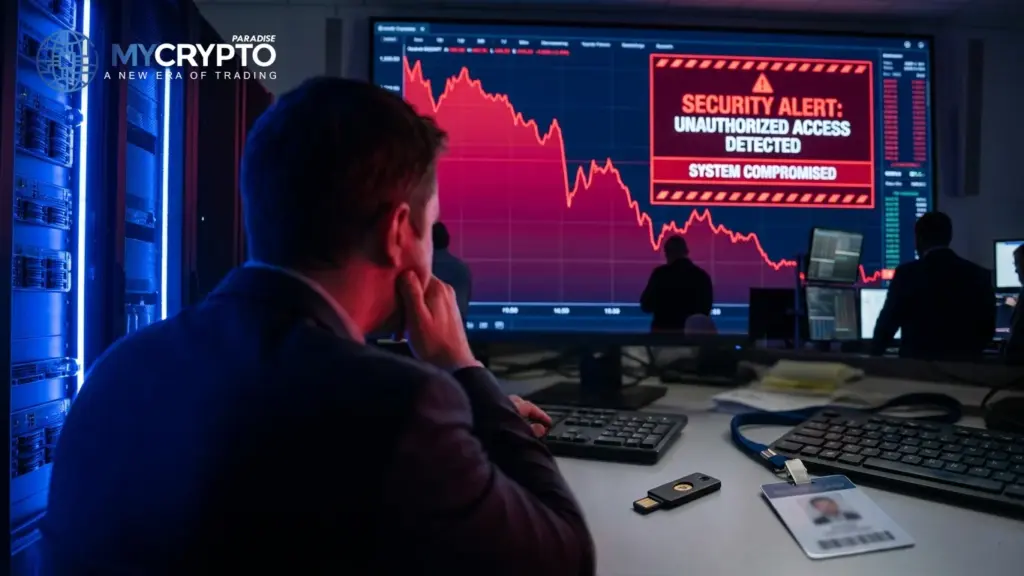
Q2 2026 is now the most hacked quarter in DeFi history. The count reached 99 exploits, more than any quarter on record.
The surprising part is not the number. It is the cause. Around 76% of the stolen value did not come from clever attacks on bad code. It came from compromised infrastructure: stolen keys, credential access, and the operational layer almost nobody audits.
That detail matters because it moves the risk out of the whitepaper and into the plumbing. A protocol can pass every audit and still hand an attacker the keys through a phished login. The market spent years treating security as a smart-contract problem. The data now says the human and operational layer is where the money actually leaks.
The pattern is not isolated. Price manipulation exploits in lending protocols hit 32 this year, nearly triple last year's 12. In April, a group suspected of DPRK links drained an estimated 293 million dollars from a single exchange platform.
Against that backdrop, Bitcoin was trading near 77,840 dollars as of the latest read, up about 1.1% on the day. A small green candle over a record-breaking quarter of theft. The two facts sit awkwardly together, and that gap is exactly what we want to examine.
The operational layer nobody audits
The real story is where the risk now lives. For years, security meant auditing the contract. The Q2 data reframes it: roughly 76% of losses came from compromised infrastructure, not code. That shifts crypto's risk profile from something measurable to something diffuse.
Markets price known risks and fear unknown ones. A code bug can be found, patched, and priced. Stolen keys and credential access cannot be audited away, because they live in operations, not in the repository. That is harder to underwrite, so it demands a wider risk premium across the whole space.
The transmission runs through confidence. Rising exploit counts push risk aversion higher. Capital that was chasing yield in DeFi starts asking whether the yield covers the tail risk of losing everything to a stolen credential.
The numbers reinforce the shift. Manipulation exploits nearly tripling, from 12 to 32, tells you attackers are finding the model easier, not harder. Meanwhile, tooling on the offensive side is getting cheaper and faster to point at any target.
For a trader, this is macro, not just headline noise. A higher baseline of systemic risk means every rally carries a heavier discount. It does not force an immediate selloff. It quietly raises the cost of holding risk, which is how confident capital starts stepping back before the crowd notices anything is wrong.
Where FUD meets the liquidation map
Risk stories like this rarely move price on the day they print. They set the tone that decides how the next liquidity event resolves. Right now, that tone is cautious, and the tape shows it.
Bitcoin near 77,840 dollars and Ethereum near 2,403 dollars are barely moving, up a fraction each. That is not strength. It is a market holding under resistance while a steady drip of security bad news raises the background level of fear.
The cascade, if it comes, follows the usual order. BTC sets the risk mood first. ETH tracks it with a lag. Alts and DeFi tokens amplify both, because they carry the most exploit exposure and the thinnest liquidity. A security scare hits them hardest precisely when holders most want out.
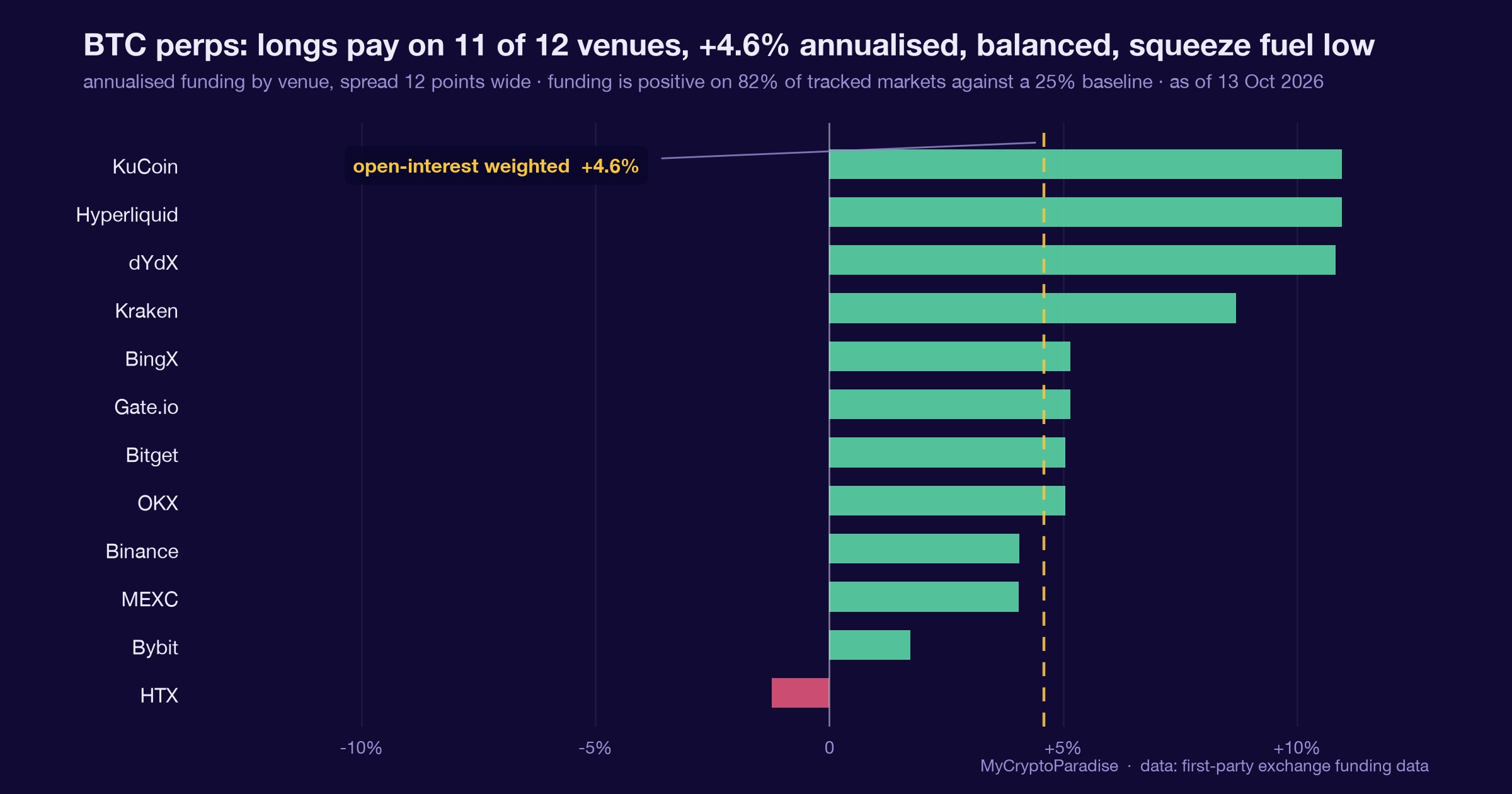
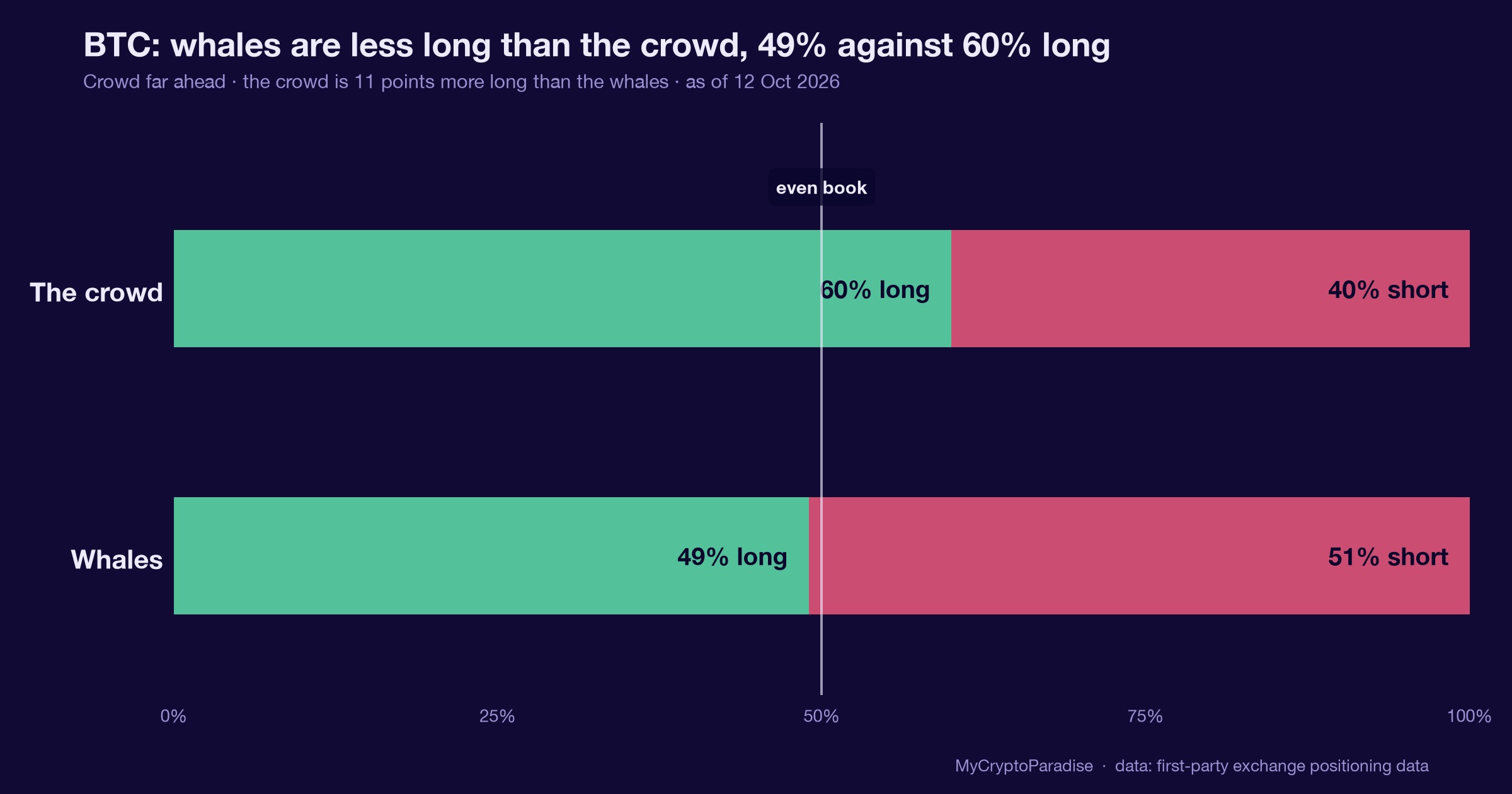
The leverage picture is where this turns dangerous. When crowds are long into a fear catalyst, price does not need real selling to fall. It needs a nudge toward the stops. Long liquidations then feed the next leg, and the FUD story writes the caption after the fact.
The uncomfortable truth is that a record-hack quarter is a perfect narrative to hang a flush on. It does not have to cause the drop. It only has to be the reason everyone repeats once the drop is already underway, which is usually how these stories get their headlines.
Break below 58K confirms the flush
The levels decide whether this risk story becomes a price story. We are watching the 79,000 dollar resistance first, because that is where the recent attempt stalled. As long as Bitcoin fails to reclaim and hold above it, the security FUD has room to matter.
The line that confirms downside is 58,000 dollars. A clean break below it would tell us the cautious tone has turned into real distribution, and the record-hack narrative becomes the excuse the crowd uses on the way down.
Watch the 57,000 dollar long liquidation cluster closely. Price is often drawn toward pooled stops, and that pocket sits right below the confirmation line. If it fills, the move can accelerate fast, exactly the mechanism a fear catalyst tends to trigger.
Invalidation is just as clear. A decisive reclaim of the previous high above 79,000 dollars would break the bearish thesis. That would suggest the market absorbed the security news without flinching and buyers are stronger than the tape implies.
On timing, a bearish engulfing confirmed on the weekly close would strengthen the downside case. Until one side breaks, treat the quiet as tension, not safety. The most hacked quarter on record is a heavy weight to carry sideways, and weights carried sideways rarely stay there long.
Fragility as fuel for distribution
The ParadiseTeam frames this record-hack quarter as confirmation, not surprise. It fits a market where smart money is distributing into retail longs while price stalls under 79,000 dollar resistance.
With Bitcoin near 77,840 dollars, the crowd is buying, and a growing pile of systemic-risk headlines gives confident capital every reason to keep offloading. Bearish news that fails to crack price often means someone is absorbing it. Here, we read that absorption as selling, not accumulation.
The map lines up with the story. Longs are stacked toward the 57,000 dollar cluster, and market makers have an incentive to reach for those stops. A break below 58,000 dollars would open the path lower, with 44,000 dollars as our medium-term target for the flush.
We treat the current small green print as a possible bull trap, not a trend change. Exploit FUD does not need to trigger the drop. It only needs to be the story retail repeats after capitulating.
The read stays probabilistic, not certain. Above 79,000 dollars reclaimed and held, we stand down and respect the invalidation. Below 58,000 dollars, the security narrative and the liquidation structure point the same way. Smart money rarely warns you before it steps back, and a record quarter of theft is exactly the kind of cover it prefers.
The read behind this: we framed this story through our own market analysis, Bitcoin Fails at $79K: Who Is Selling?
Track it live: our live crypto funding rates and the crypto liquidation heatmap both update in real time, so you can watch this shift for yourself.
Related coverage
For exact entries, targets, and stop losses with full risk management, that is what ParadiseFamilyVIP is for. New to reading these moves? Start with our crypto trading strategies guide.
ParadiseTeam is monitoring the market situation closely, and we are taking these developments into consideration while building our trading tactics inside ParadiseFamilyVIP.
Crypto trading involves substantial risk. Prices are volatile and you can lose money. This article is educational and is not financial advice. Past performance does not guarantee future results.
After record DeFi hacks, where does Bitcoin go next from here?
This is how 23 Paradisers are calling it. Tap your call.
No calls on this one yet. Tap yours to be the first.
Free account, no password. Members just sign in.











Join the discussion 4
the link to BTC price seems a little forced here... especially given the macro liquidity picture and dollar strength in that Q. 📉
wow... this is why i always keep my funds in a seperate wallet, off-chain... its just safer.
All those entries to reconcile this quarter! My wife thinks I'm looking at funny cat videos, but I'm just checking my ledger again. 😅
Stolen keys !! 🤦♂️ Always the same song and dance. Maybe I should just stick to my hardware wallet and just *hope* I don't lose it in a samba-induced frenzy 🇧🇷😂.