

Listen: the breakdown
Market briefing: A payments firm is suing Tether over a $2.76 million stablecoin freeze, alleging unilateral action and profit. Bitcoin was trading near $85,533 as this news broke.
- A payments firm alleges Tether unilaterally froze its $2.76 million treasury wallet related to a Brazilian investigation it was not part of.
- The firm claims Tether refused to release the funds for over a year, allegedly profiting from the reserves during that time.
- This lawsuit highlights questions around stablecoin issuer discretion and handling of reserve funds.
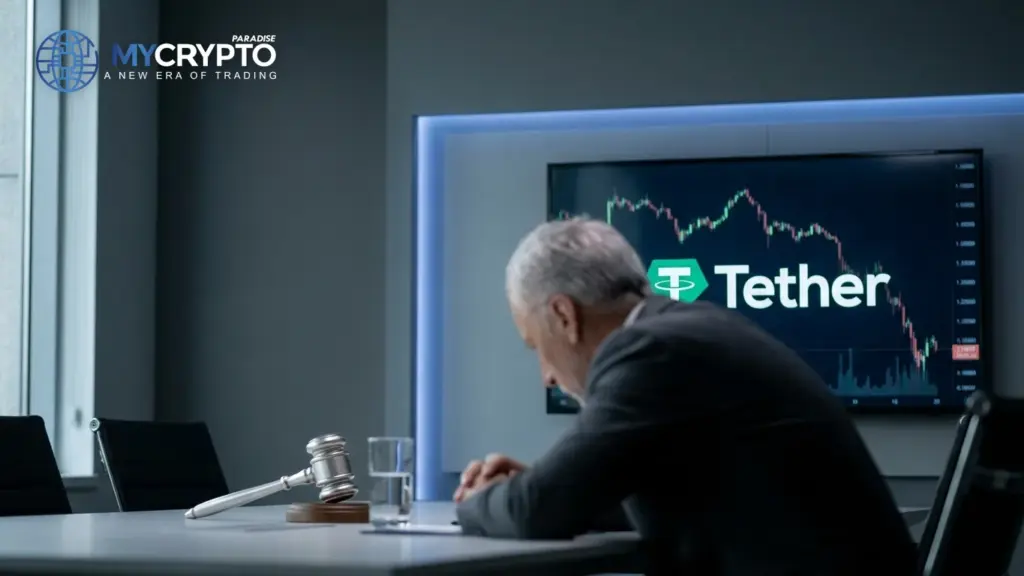
Tether faces a lawsuit over a $2.76 million stablecoin freeze, allegedly initiated without a clear investigative link and held for over a year. Does this expose deeper counterparty risks?
A payments firm has filed a lawsuit against Tether, alleging the stablecoin issuer unilaterally froze $2.76 million in its treasury wallet. The firm states this action was tied to a Brazilian investigation it has no connection to. This claim raises significant questions about the discretionary power of centralized stablecoin providers.
The lawsuit further alleges that Tether has refused to release these frozen funds for over a year. During this extended period, Tether is accused of profiting from the reserves it held. This situation highlights the inherent counterparty risk tied to holding funds with a centralized entity.
This legal dispute is not just about a single transaction. It probes the structural integrity of stablecoins as neutral settlement rails. The payments firm's allegations, if substantiated in court, could set a precedent for how stablecoin issuers manage their reserves and respond to external probes.
Unpacking stablecoin counterparty risk
The lawsuit against Tether directly challenges the perception of stablecoins as entirely neutral financial instruments. Centralized stablecoin issuers hold significant power over user funds. This power includes the ability to freeze assets based on internal discretion, even without a direct court order against the account holder.
This unilateral freezing power introduces a layer of counterparty risk for any entity holding a large stablecoin balance. The alleged lack of direct connection to the Brazilian investigation makes the situation particularly concerning. It suggests a broad interpretation of an issuer's right to intervene.
Over the long term, such allegations could erode confidence in USDT as a reliable settlement rail. If users perceive a heightened risk of arbitrary asset freezes, they may seek alternatives. This could lead to shifts in stablecoin market share and impact liquidity on crypto exchanges globally.
Broader implications for stablecoin trust
The immediate market impact from this Tether lawsuit on Bitcoin (BTC) and Ethereum (ETH) has been negligible. BTC was trading near $85,533 and ETH at $2,696.06 as the news emerged, with both showing modest daily declines. These price movements are not directly attributable to this specific legal development.
However, the structural questions raised by the lawsuit could have indirect effects. A sustained erosion of trust in USDT, should the allegations prove true, might lead to outflows from the stablecoin. This would reduce the overall liquidity available for trading pairs on various crypto exchanges.
If a significant portion of capital moves out of USDT into other stablecoins or directly into fiat, it could impact trading volumes for BTC and ETH. Alts, which often rely on USDT liquidity for their trading pairs, would be even more susceptible to such a shift. This remains a long-term risk, not an immediate catalyst.
Key signals for Tether's market standing
Traders should monitor the legal proceedings surrounding this Tether lawsuit closely. The court's findings will be crucial in determining the veracity of the payments firm's claims. A ruling in favor of the plaintiff could amplify concerns over stablecoin issuer discretion.
Further regulatory responses to this situation also bear watching. Regulators globally are already scrutinizing stablecoin operations. Allegations of unilateral freezes and profiting from held reserves could prompt increased oversight or new compliance requirements for issuers.
Market participants should also observe any shifts in USDT's market capitalization or trading volumes relative to other stablecoins like USDC. A notable migration of funds away from USDT would signal a tangible erosion of confidence. This would confirm a broader market concern over counterparty risk.
Reading lawsuit through smart money flows
The ParadiseTeam maintains a cautiously bullish bias for a short-term bounce from the current Bitcoin support zone around $82,000, yet we expect a macro bearish rejection at the $88,000-$90,000 resistance. This Tether lawsuit, while not an immediate market mover, adds to the underlying macro bearish sentiment.
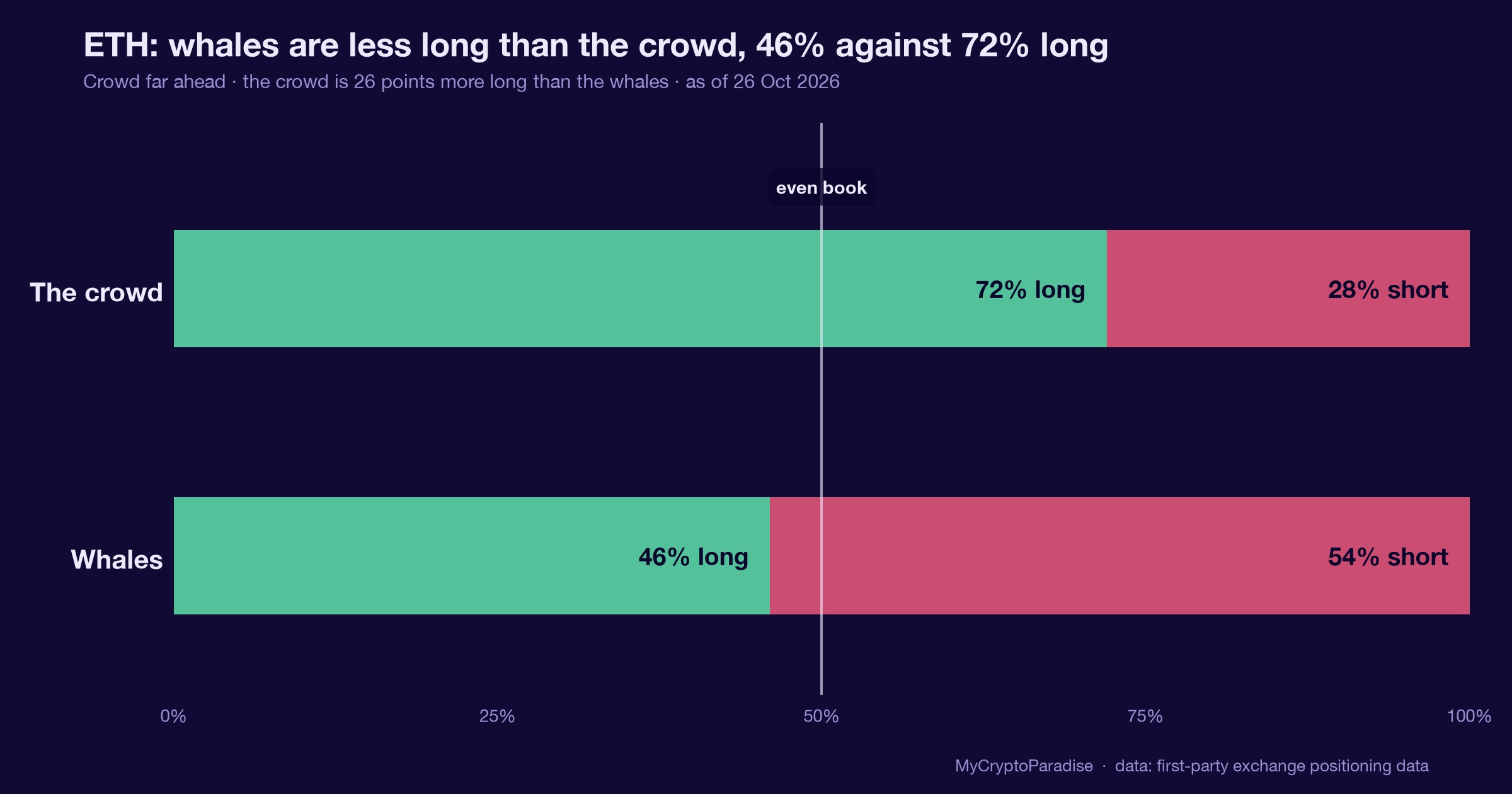
Smart money, represented by whale activity, is largely selling into strength. This lawsuit feeds into the long-term counterparty risk narrative that sophisticated participants consider. It provides another reason for caution, even as retail appears fearful, which often precedes short-term bounces.
Should Bitcoin manage a bounce, the critical resistance zone remains $88,000-$90,000. Any failure to breach this level with conviction would align with the macro bearish outlook. This Tether news reinforces the structural vulnerabilities that could drive a larger rejection towards the $55,000-$44,000 exchange of hand zone.
The ParadiseTeam is watching how price action and volume react at these key levels. While this lawsuit does not directly trigger a move, it underscores the systemic risks. These are the risks that smart money often positions against over longer timeframes, irrespective of daily price fluctuations.
The read behind this: we framed this story through our own market analysis, Can Bitcoin Bounce From Support?
Track it live: our live crypto funding rates and the Crypto Fear and Greed Index both update in real time, so you can watch this shift for yourself.
Related coverage
For exact entries, targets, and stop losses with full risk management, that is what ParadiseFamilyVIP is for. New to reading these moves? Start with our crypto trading strategies guide.
ParadiseTeam is monitoring the market situation closely, and we are taking these developments into consideration while building our trading tactics inside ParadiseFamilyVIP.
Crypto trading involves substantial risk. Prices are volatile and you can lose money. This article is educational and is not financial advice. Past performance does not guarantee future results.
Does this Tether lawsuit meaningfully increase stablecoin counterparty risk?
How 36 Paradisers are calling it
The first call is still open
Free account, no password. Members just sign in.
Follow this topic: Stablecoin news







Join the discussion 4
The claim of a sudden freeze based on an unspecified “legal request” is what I question. A transparent audit log of such requests and their basis would address this counterparty risk more directly.
That’s the risk for sure, but for me, a dollar that stayed a dollar overnight was a revelation. It still beats pesos for preserving what you've earned.
yeah this is why i dont keep big bags on exchanges even stablecoins not worth it
i can see that, but sometimes moving funds to cold storage makes me miss quick oportunities on the exchange, you know? sorry if thats a silly thought.