

In short
Moving from a stock broker like TD Ameritrade to crypto shifts who holds your assets. It also changes who protects your capital. A regulated brokerage offers custody protection, insured accounts, and fixed trading hours. Crypto offers none of these by default. You hold your own keys, and markets never close. No broker stands behind a bad trade. A signals service guides entries and risk, but it is not a broker. It provides no direct protection. Treat every provider as unverified until you check their track record. Risk management, not any tip, ensures your first crypto months are survivable.
Why do TD Ameritrade traders look at crypto?
Many traders move to crypto markets seeking round-the-clock access and higher volatility. New digital assets also attract interest. While the appeal is clear, so are the risks. Crypto markets run 24/7 and lack the regulatory guardrails of a traditional broker. Understanding this trade-off early protects your capital.
The pull is understandable. On a stock brokerage, a 3% daily move is a big day. In crypto, major coins can move 3% before lunch. That volatility attracts traders seeking faster feedback and larger swings.
Regulators treat the two worlds differently. The SEC’s investor guidance on crypto assets stresses that many tokens carry risks a listed stock does not. Reading that guidance sets realistic expectations before you move money.
What is different here
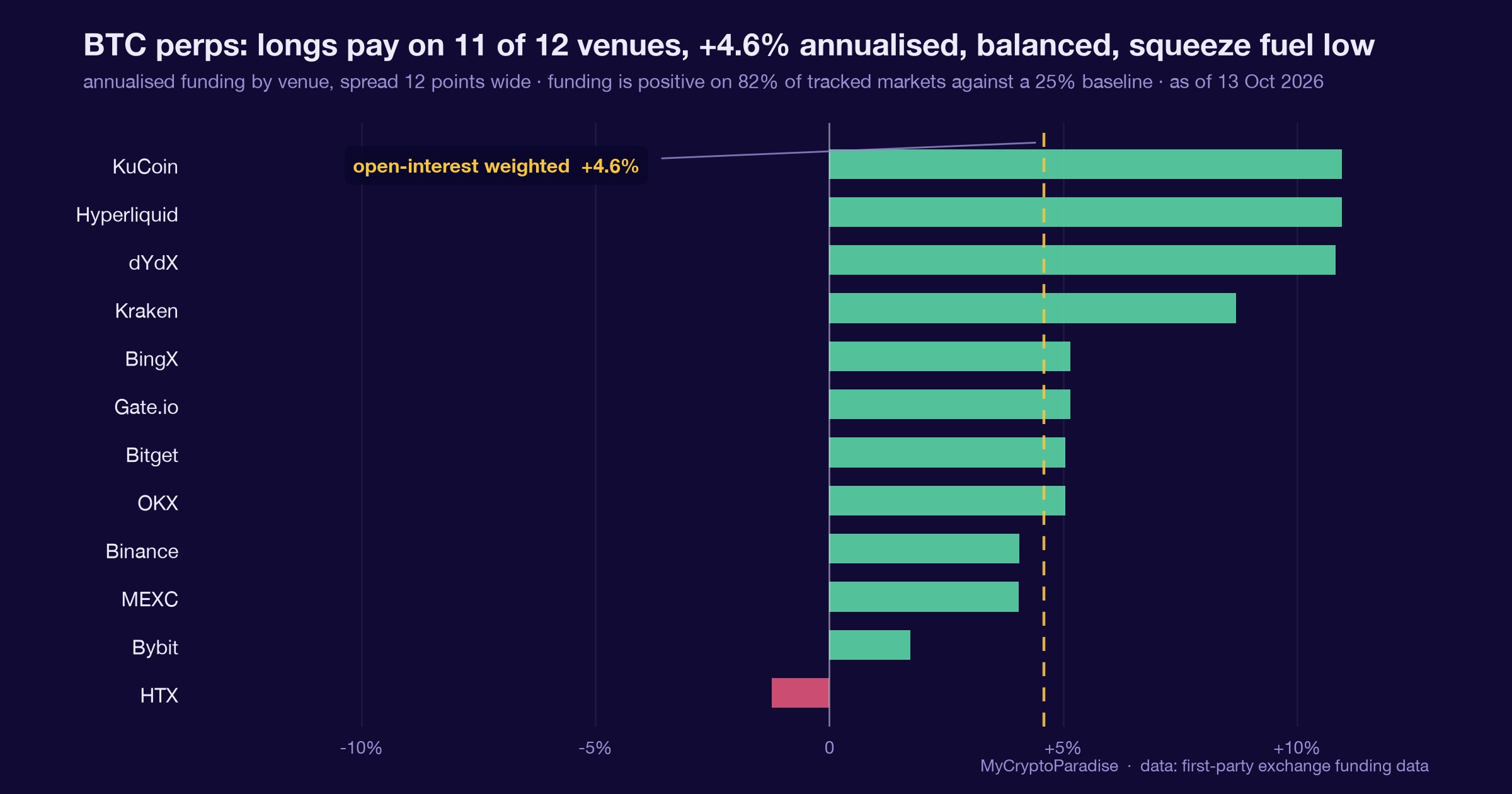
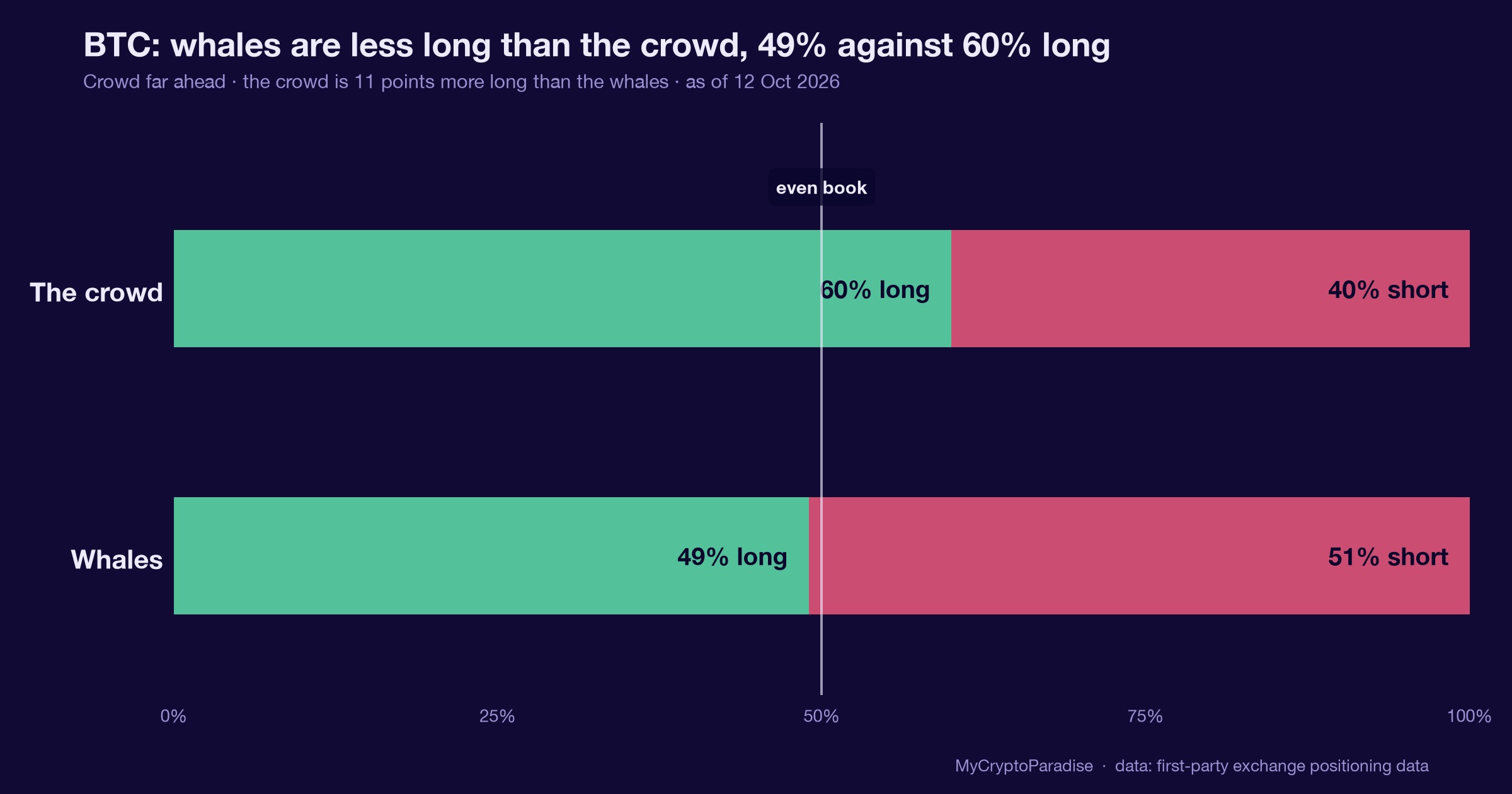
The ParadiseTeam reads live positioning across all major exchanges before building any setup. That is the discipline a broker migrant needs but rarely gets on day one.
How does crypto trading differ from a stock brokerage?
Crypto trading differs structurally from stock brokerage in key ways. These include custody, market hours, investor protection, and transaction reversibility. Crypto markets run 24/7; risk is constant. You often hold your own assets, unlike broker-held accounts. On-chain transfers are final, and no regulator backs accounts if a platform fails.
The differences are structural, not cosmetic. Compare the two side by side before assuming your old habits transfer. Execution habits change as well. Whether you lean on your own analysis or on a service, it helps to understand what crypto signals are before you commit capital.
| Feature | Regulated broker like TD Ameritrade | Crypto exchange or wallet |
|---|---|---|
| Custody | Broker holds securities for you | You or an exchange holds the coins |
| Account protection | SIPC coverage on securities | No SIPC or FDIC backstop |
| Trading hours | Set market sessions | Open 24/7, all year |
| Reversibility | Errors often correctable | On-chain transfers are final |
What happens to your safety net: custody and counterparty risk?
On a regulated brokerage, custody and insurance are often background elements. In crypto, these become your direct responsibility. Self-custody means you hold private keys; any error is permanent. If an exchange holds your coins, you accept its solvency and security risks. There is no SIPC-style backstop for either choice.
This is the hardest shift for broker migrants. On a stock account, you rarely think about what brokerage insurance actually protects. It works quietly in the background. In crypto, that layer is gone. Counterparty choice becomes a core risk decision.
Two questions decide most of your safety. Where are the coins held? And who is on the other side of the trade? If either answer is unclear, your risk is higher than it looks.
What is a crypto signals service, and what is it not?
A crypto signals service provides research, suggesting entries, targets, and stop-loss levels. This is guidance, not custody or trade execution. It cannot move your funds or promise specific outcomes. Signals carry no broker-style duty of care. A reliable service earns trust through dated, checkable results, never by selling certainty.
This distinction matters for your wallet. Before paying, it is worth asking whether a crypto signals channel fits your needs and skill level.
How do you vet a crypto signals provider before you pay?
Vet a signals provider like a professional trader vets a counterparty: always demand evidence. Request a dated track record, including all losing trades, not just highlights. Examine their risk management and stop-loss strategies. Confirm real people operate the service. Seek independent reviews. Difficulty in verification is itself a clear red flag.
To simplify this process, use a structured approach:
Certain warnings should end the conversation immediately. Promises of certain profit are a red flag. So is no track record. Anonymous operators or pressure to pay fast are also reasons to walk away.
Risk-First Checklist: Preparing for Your First Crypto Trade
Before your first trade, put risk ahead of any signal. The habits that keep traders solvent are boring on purpose.
- Decide your maximum loss before entering any trade.
- Size positions so one loss cannot derail you.
- Confirm where your coins are held and by whom.
- Verify the provider’s track record with dated results.
- Never trade on a promise of certain profit.
If you do subscribe to a service, choose one that welcomes scrutiny. Our honest comparison of providers shows what verifiable evidence should look like.
Frequently asked questions
Does SIPC or FDIC insurance cover my crypto?
No. SIPC protects securities at a failed brokerage. FDIC covers bank deposits. Neither protects crypto held on an exchange or in a wallet. If a platform fails or is hacked, there is usually no backstop. Self-custody and diligent platform research become your main protection.
Is a crypto signals service the same as a broker?
No. A signals service shares analysis, entries, and risk levels. It never holds your money or executes trades for you. You retain custody and place all orders yourself. It carries no regulatory duty to protect capital. Its value rests solely on an honest, verifiable track record.
How much of my portfolio should go into crypto at first?
There is no universal figure. Many disciplined traders start small, using a low single-digit share of investable money. This should be capital they can afford to lose. Crypto volatility means position size matters most. Size positions so a total loss would sting, not derail your finances.
Can I move my TD Ameritrade account straight into crypto?
Not directly. A brokerage account holds securities, not crypto assets. No in-kind transfer is possible. You must sell holdings or withdraw funds. Then, fund a separate crypto exchange or wallet. Each step has tax and security implications. Plan withdrawals carefully. Always confirm the receiving platform first.
Crypto trading involves substantial risk and is not suitable for everyone. Nothing here is financial advice; it is education only. Never risk more than you can afford to lose.




Join the discussion
No comments yet. Members, share how you are reading this.