

Listen: the breakdown
Developing story: This story is still unfolding. We are tracking it and will update this article as more details are confirmed.
Market briefing: Iran again says the Strait of Hormuz is closed and warns ships that cross will burn, while traffic through the chokepoint thins. BTC was trading near $81,633, down about 0.7% on the day, as crypto shrugged for now.
- Iran renewed its claim that the Strait of Hormuz is closed and threatened ships that attempt to cross.
- A live monitor calls the Strait effectively closed, yet the US military says it remains open with 100 million barrels moving through last week.
- Weekly crossings fell to 131 from 176, a real slowdown that still falls short of a full shutdown.
Iran says the Strait of Hormuz is closed and ships that cross will burn, yet BTC barely moved. So is crypto ignoring a real oil shock, or waiting for proof?
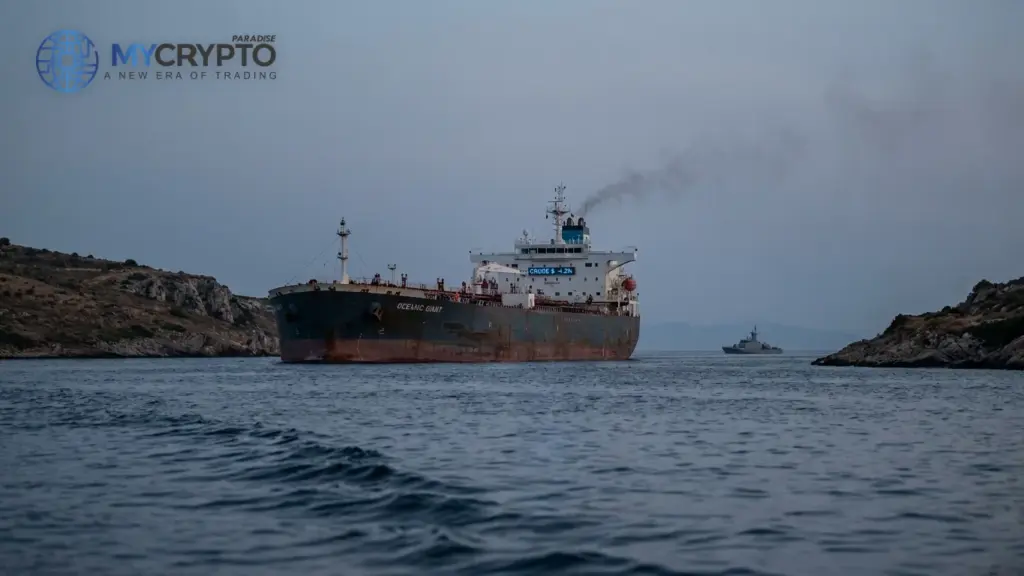
Iran has again declared the Strait of Hormuz closed. Its forces say a supertanker carrying over two million barrels of crude caught fire after striking a naval mine while crossing through an unauthorised route. The warning to other ships is blunt: attempt the passage, and you burn.
That is a serious claim about the single most important oil chokepoint on the planet. Roughly a fifth of the world's seaborne crude normally threads through this narrow lane. Close it, and the price of nearly everything that moves on a ship starts to twitch.
But the facts do not line up cleanly. A live shipping monitor describes the Strait as effectively closed to commercial traffic. The US military says the opposite: open, with 400 ships and 100 million barrels of oil passing through in the past week alone.
So who is right? The crossings data sits awkwardly in the middle. Traffic fell to 131 vessels in the week ended October 14, down from 176 the week before. That is a genuine slowdown, not a full shutdown. Fewer captains are volunteering, which is rational when someone is promising to set your cargo alight.
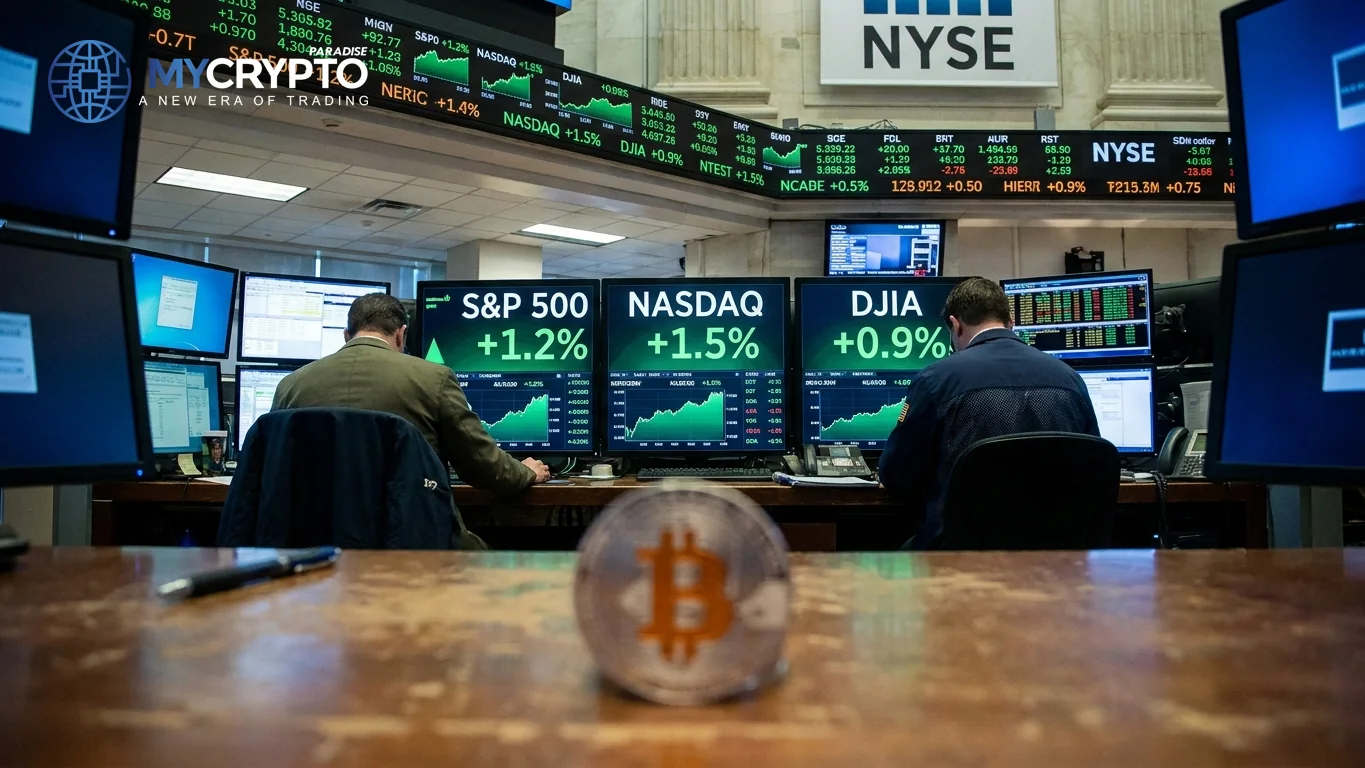
Crypto, meanwhile, has mostly yawned. BTC slipped about 0.7% over the day to around $81,633, and ETH eased near $2,431. The headline screams crisis. The tape whispers. That gap between the words and the price action is the real story here, and it is worth understanding before the next escalation decides which one was telling the truth.
Oil chokepoint fear meets a quiet crypto tape
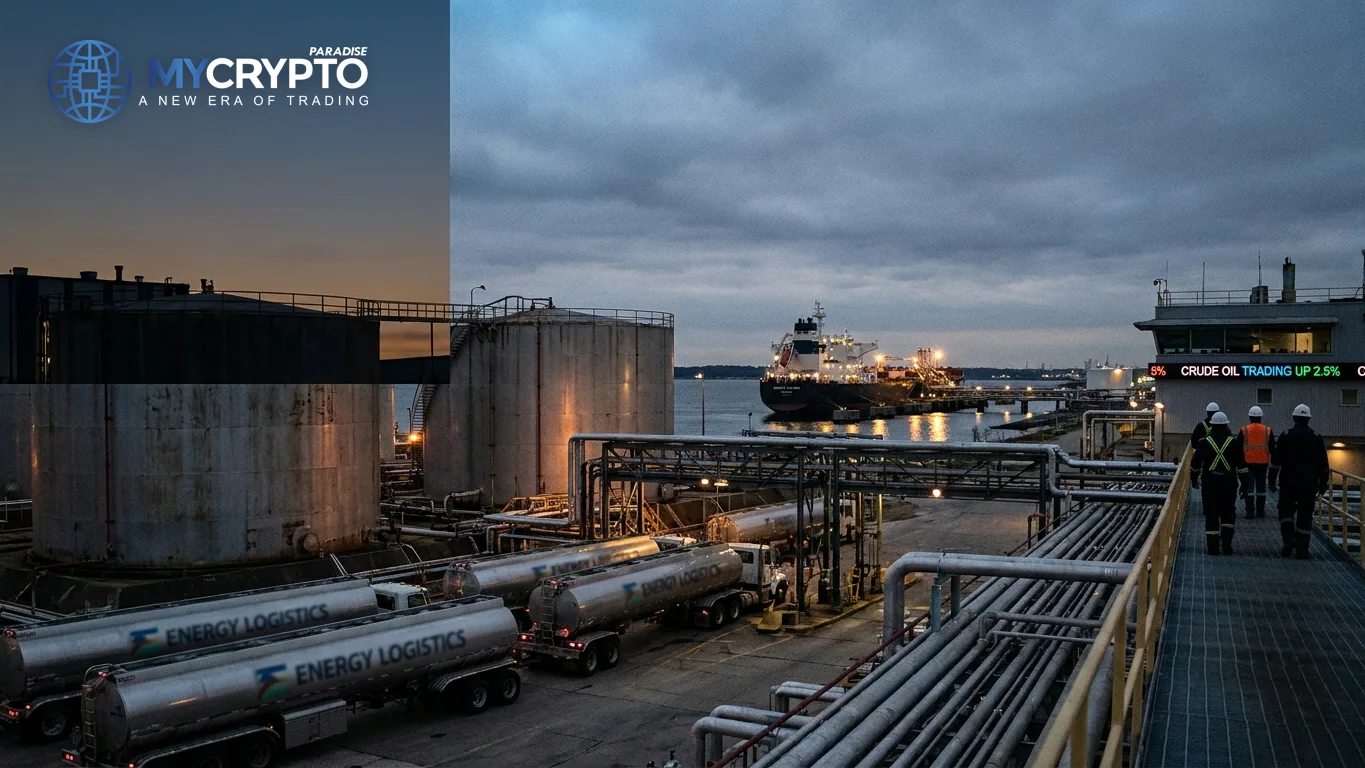
The transmission from Hormuz to crypto runs through oil, not through tokens directly. A credible closure lifts crude, and higher energy prices feed straight into inflation expectations. That matters because inflation is the variable that sets how generous central banks can afford to be.
When oil spikes on supply fear, the market quietly rebuilds the case for tighter policy for longer. Tighter policy means more expensive money. More expensive money drains liquidity from the far end of the risk curve, and crypto sits at the very tip of that curve.
So the chain is simple. Hormuz threat, higher oil risk premium, firmer inflation path, less room for easing, thinner liquidity for risk assets. That is the mechanism pressing down on BTC and ETH, even while the headlines are about tankers and mines rather than rate decisions.
There is a second channel: pure risk-off reflex. Geopolitical shocks send capital toward dollars, short-dated bonds, and gold first. Crypto rarely gets the first bid in a fear spike, whatever the digital-gold narrative promises in calmer weeks.
The honest caveat is that this is our read, not a confirmed cause. No single same-day catalyst explains the small moves in BTC and ETH. We are connecting a geopolitical risk to a muted price, and that connection is interpretation. The facts are the closure claim, the conflicting status reports, and the lower crossing count. The macro consequence is the part we are inferring.
Risk-off liquidity could drain toward safe havens
If the Strait situation hardens into a genuine supply shock, the liquidity cascade is predictable. Oil runs first. Equities wobble on the growth and margin hit. The dollar firms as global capital reaches for safety. Crypto tends to catch that wave last, and it rarely catches the pleasant part.
BTC would lead the move inside crypto, as it always does. A real risk-off session typically sees Bitcoin absorb the first wave of selling while holders decide whether to hedge or hold. The current drift of under 1% suggests nobody has decided yet.
ETH usually trails BTC lower by a wider margin in these events, and its own 1% dip is consistent with that. The asset carries more beta, so a sharper risk-off leg would hit it harder than Bitcoin.
Alts are the obvious casualty if the fear leg arrives. Thin liquidity means small flows move them hard, and a dollar bid pulls capital out of the speculative tail first. In a true shock, the smallest coins fall fastest and bounce last.
For now, though, the cascade has not fired. The muted reaction tells us the market is pricing the closure as contested rather than confirmed. That is the smart-money posture: wait for the crossings data and the oil price to agree before committing size. Retail reads the burning-tanker headline and reacts; larger players read the 131 crossings and the US statement, and conclude the lane is slow, not sealed.
Crossings data will settle the closure dispute
The cleanest confirmation signal is the oil price itself. If crude breaks higher and holds, the market has decided the supply risk is real, and that is when the pressure on crypto liquidity becomes more than a headline. A crude spike that fades within a day argues the opposite: a scare, not a shutdown.
Next, watch the crossings count. A further drop from 131 toward a trickle would validate the closed reading. A rebound back toward last week's 176 would quietly confirm the waterway is functioning, whatever the rhetoric says.
The third tell is the dollar and short-dated bonds. A strong, sustained safe-haven bid there is the macro context that would drag crypto down with it. A calm dollar means the fear is contained.
Invalidation of the bearish case is straightforward. A credible de-escalation, or firm confirmation that traffic is moving normally, removes the oil risk premium and lets the risk-off reflex unwind. In that world, crypto's non-reaction looks prescient rather than complacent.
The trap to avoid is trading the headline instead of the data. Threats about closing Hormuz are a recurring feature of the region, and most have expired without the catastrophe they promised. That does not make this one harmless. It means the proof lives in crude, crossings, and the dollar, not in the statement. Until those three agree, the market is right to treat the closure as a claim under review rather than a settled fact.
Crowded longs meet a Middle East shock
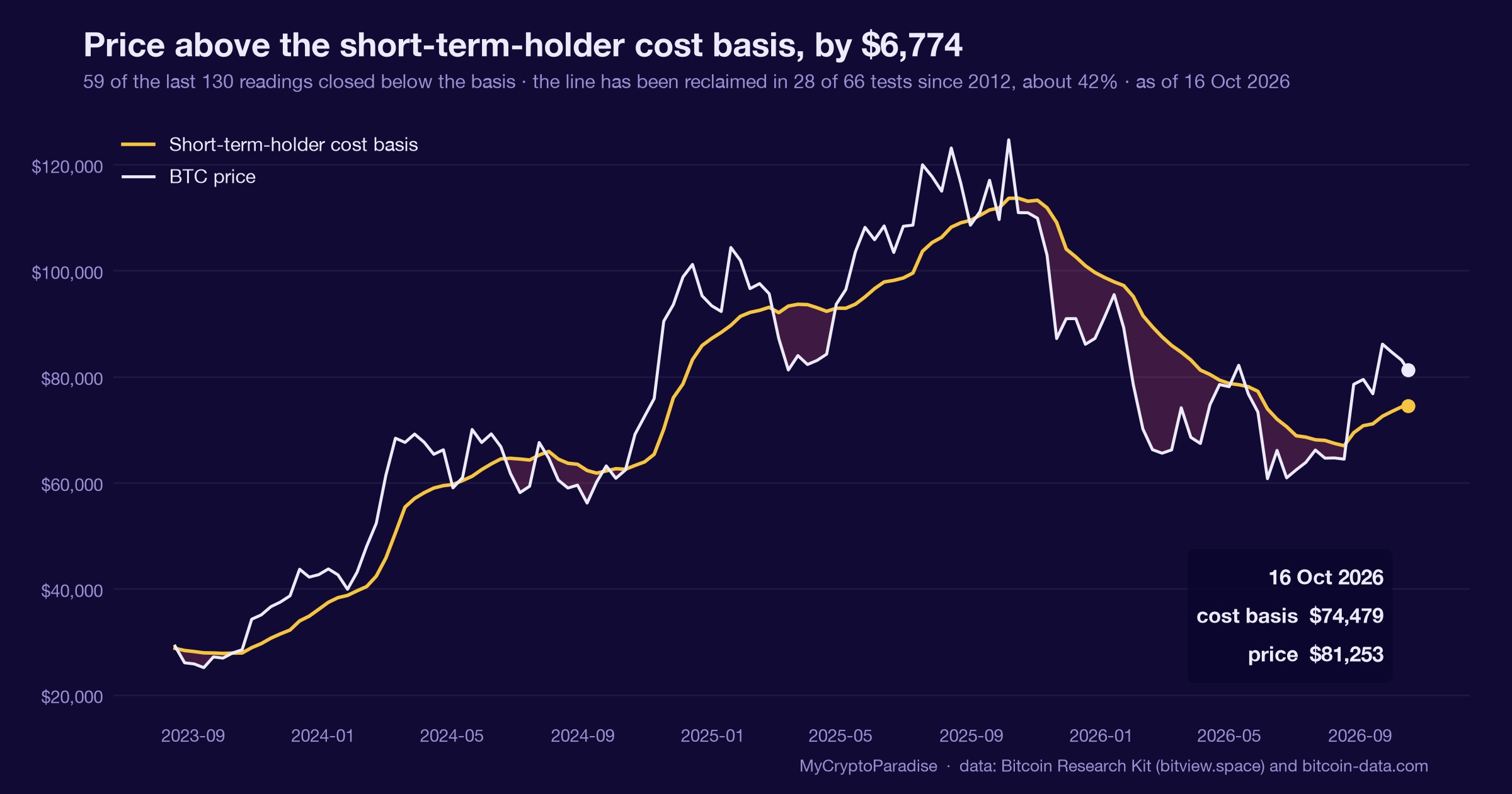
The ParadiseTeam frames this through a market already carrying short-term weakness, not a calm one meeting a surprise. Our standing read expects consolidation before any push toward $90,000, with real support near $78,000 and a swing stop-loss (SL) reference at $76,000.
With BTC near $81,633, a Hormuz-driven risk-off leg would test that $78,000 shelf directly. That is the level this news threatens. Lose it with conviction, and the $76,000 reference becomes the line between a normal pullback and something structurally worse.
Here is the tension. Retail longs are crowded and funding is positive, which already sets up squeeze risk before any geopolitics. A fear headline into that positioning is exactly the kind of trigger that flushes leveraged longs. The liquidations sit just below support, where stops cluster.
So the honest read is two-sided. On the news alone the skew is lower, because an oil-chokepoint shock pressures liquidity and the crowd is leaning the wrong way. We respect that bearish verdict for this story.
But we also note the muted reaction. Smart money is not selling the headline; it is waiting for the crossings data and crude to confirm. That patience is the edge. We would rather see $78,000 hold on a de-escalation, with lower bearish volume on any dip, before trusting strength. A loud headline with a quiet tape usually means the market has already decided the claim is contested, and it rarely pays to front-run a shock that has not been confirmed.
The read behind this: we framed this story through our own market analysis, Can Bitcoin Hold Its Final Support?
Track it live: our Crypto Fear and Greed Index and the live crypto funding rates both update in real time, so you can watch this shift for yourself.
Related coverage
For exact entries, targets, and stop losses with full risk management, that is what ParadiseFamilyVIP is for. New to reading these moves? Start with our crypto trading strategies guide.
ParadiseTeam is monitoring the market situation closely, and we are taking these developments into consideration while building our trading tactics inside ParadiseFamilyVIP.
Crypto trading involves substantial risk. Prices are volatile and you can lose money. This article is educational and is not financial advice. Past performance does not guarantee future results.
Does the Strait of Hormuz standoff escalate from here or cool off?
This is how 1 Paradiser is calling it. Tap your call.
No calls on this one yet. Tap yours to be the first.
Free account, no password. Members just sign in.





Join the discussion
No comments yet. Members, share how you are reading this.