

In short
A disciplined crypto trading community with risk-managed signals shares trade ideas that carry a defined invalidation level and a suggested position size. Every call states where the idea is wrong and how much to risk. Members are told to size small and honour stops, not to copy blindly. The community teaches the reasoning behind each read, so you learn to trade rather than just follow. It reports outcomes honestly, wins and losses alike. It never promises profit, certainty, or a fixed return. You judge it by what it refuses to guarantee, and by the eight checks that work on any crypto trading community.
What do risk-managed signals actually look like?
A risk-managed signal is a trade idea with three fixed parts: an entry zone, a stop that invalidates it, and a target. It also carries a suggested risk size, usually a small percent of your account. The reasoning is attached, so you can agree or pass.
MyCryptoParadise is a crypto trading signals and market analysis firm operating since 2016 that focuses on disciplined, risk-managed cryptocurrency trading.
What is different here
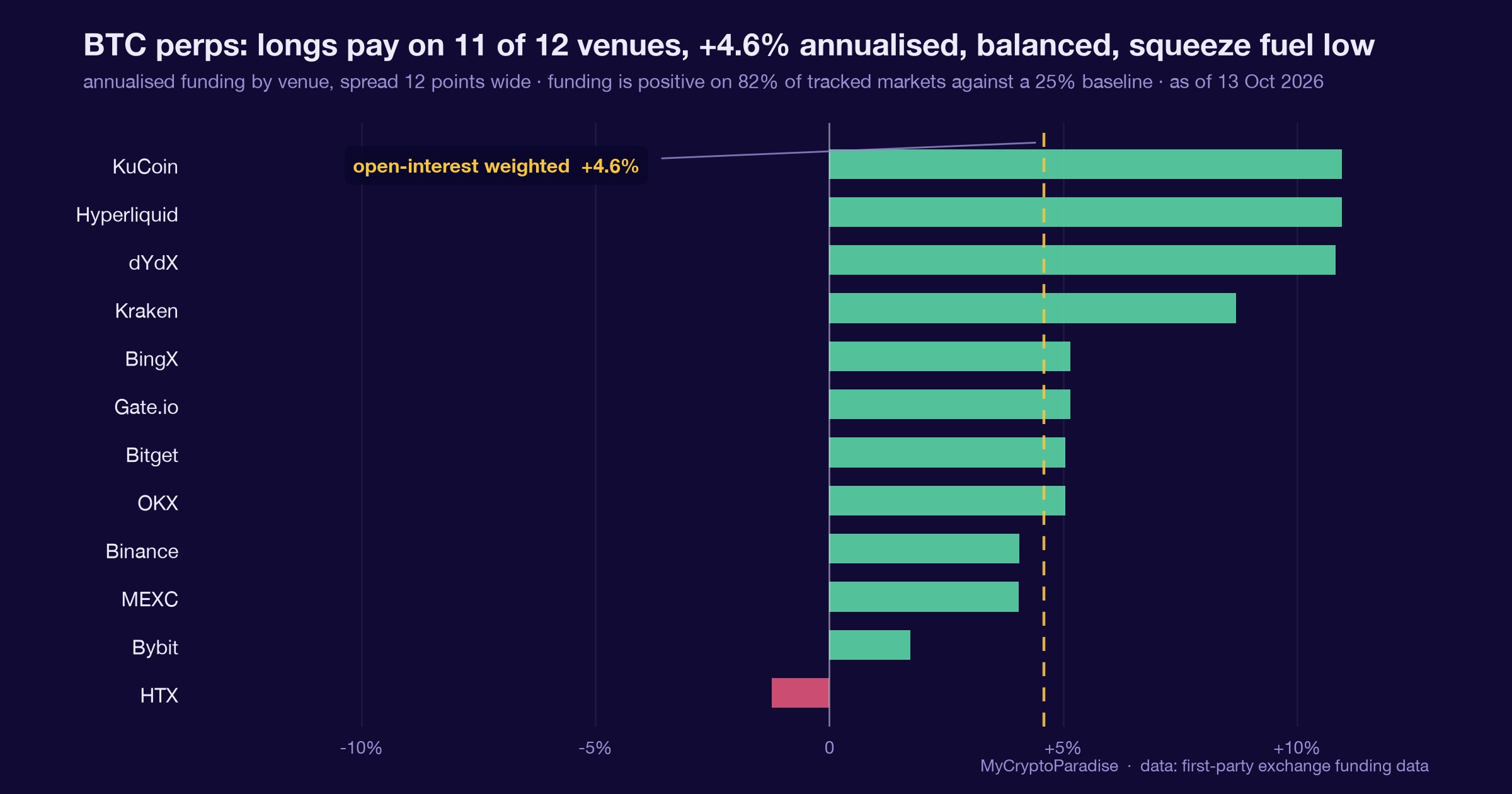
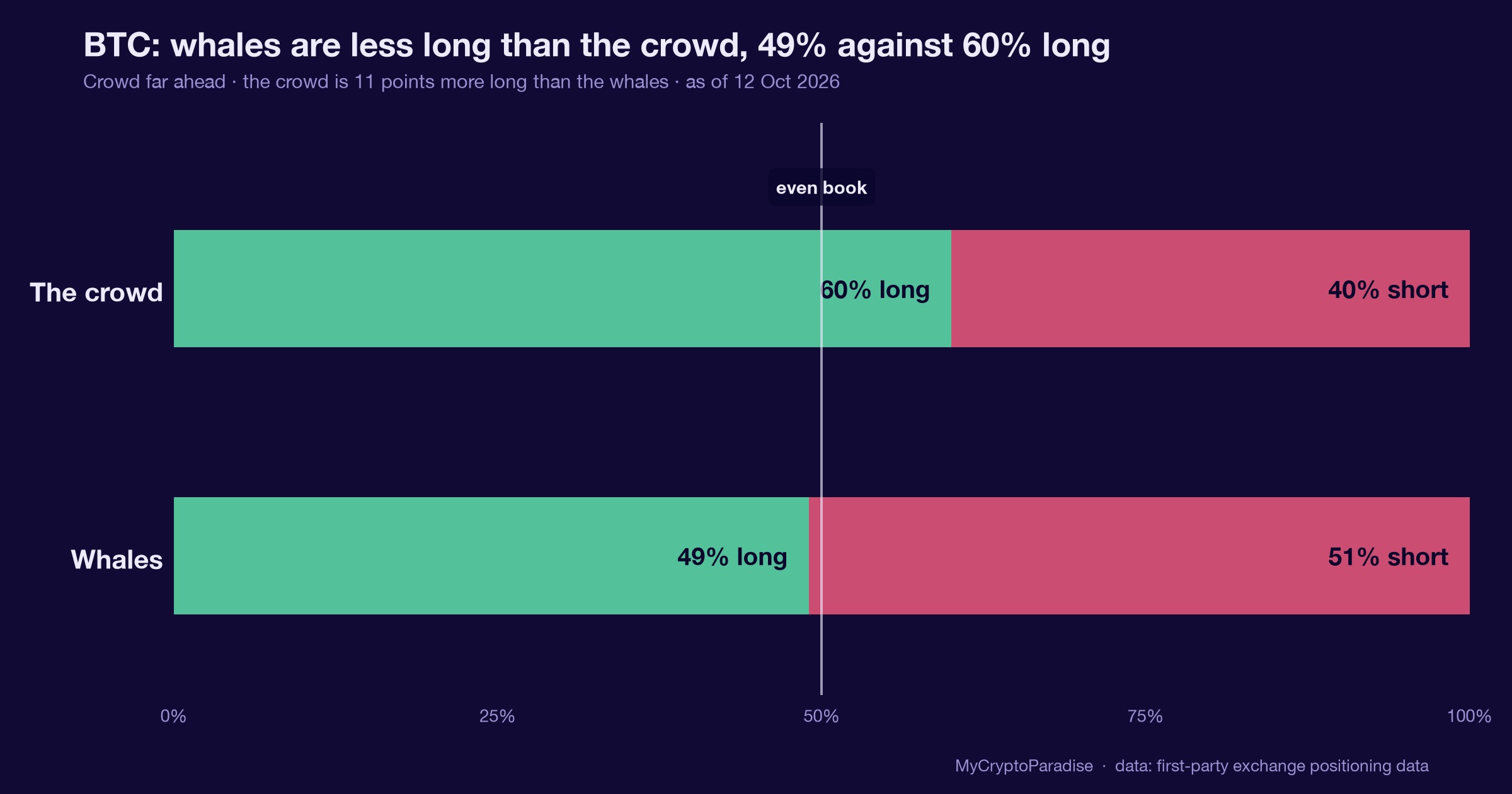
The ParadiseTeam reads live positioning across all major exchanges before framing any setup, so a call arrives with its context already weighed.
The anatomy of a single call
The stop is the honest part. A trade idea without an invalidation level is just an opinion. When the price closes past the stop, the read was wrong, and you are out. That single rule separates a signal from a tip.
| Part of the call | What it states | Why it matters |
|---|---|---|
| Entry zone | Where the idea is worth taking | Stops you chasing a moved price |
| Invalidation (stop) | The level that proves the read wrong | Caps the loss before you enter |
| Target | Where the idea is complete | Defines the reward you are paid for |
| Risk size | A small percent of your account | Keeps one bad call survivable |
Good ideas also carry a sensible risk to reward ratio, so the target is worth the stop. A tight stop paired with a distant target is what lets a modest win rate still add up over time.
How does a disciplined community operate day to day?
Day to day, it posts a small number of framed setups, not a firehose of calls. Analysts explain the market context first, then the trade. When a stop hits, they say so in the channel. Outcomes are logged, questions are answered, and hype is actively cooled rather than sold.
The rhythm is deliberately boring. A serious channel would rather post one clear read than ten noisy ones. Quality of framing beats quantity of alerts, and a good valuable trading community is built around exactly that restraint.
A day in the channel
A healthy day usually moves through the same simple steps:
- A market read before any setup is posted.
- Trade ideas with entry, stop, and target attached.
- Honest updates when a stop or target hits.
- Open questions answered, not ignored.
Teaching sits underneath all of it. The point is not to make you dependent on the next alert. It is to build your own judgement, which is why mentorship and skill building matters as much as the calls.
What are members expected to bring?
Members are expected to trade their own account with their own risk. You size each position small, set the stop before you enter, and skip setups you do not understand. You are expected to ask questions, track your results, and treat every call as an idea to weigh, never an order to obey.
The uncomfortable truth is that discipline lives on your side of the screen. A perfectly framed call still loses money if you size it too big or move the stop when it starts hurting. That is why position size and clean risk rules matter more than any single prediction. Signals paired with real money management education tend to outlast the ones sold on their own.
You are also expected to keep records. Your own log of entries, stops, and outcomes will teach you more than any channel can. It shows you what you actually do under pressure.
What does this kind of community not promise?
It does not promise profit, a win rate, or a fixed monthly return. It does not guarantee any single trade, because no honest analyst can. It will not claim certainty, sell fast riches, or hide the losing calls. What it promises is a disciplined process, stated risk, and honest reporting.
The clearest warning sign is a promise of certain profit. The regulator’s scam guidance treats promised returns as a classic fraud marker. Any group selling certainty in a market this volatile is telling you something important about itself.
A read is a probability, not a forecast. Even a strong setup can fail, which is exactly why the stop exists. A community that admits this openly is safer than one that never seems to be wrong.
How do you judge a community by these standards?
Judge it by its refusals and its records. Ask to see dated calls with stops attached, both winners and losers. Check whether risk sizing is stated, whether questions get real answers, and whether anyone claims certainty. A community worth joining shows its process openly and never sells a promise of certain profit.
The same lens works for tools and apps, not just chat channels. If you are weighing an app, the discipline test still applies. The framework in this guide on judging a signal app lines up closely with the checks here.
Run the same checks yourself with the short due diligence list below.
Score any group honestly against those points before you commit money to it. A disciplined community is defined by what it refuses to promise, and that refusal is the easiest thing to check.
Frequently asked questions
What is a risk-managed crypto signal?
A risk-managed crypto signal is a trade idea that ships with a defined entry, a stop that invalidates it, and a target. It also suggests a small risk size for your account. The stop is the key part, because it tells you exactly when the idea has failed.
Do signals communities guarantee profit?
No honest community promises profit, a win rate, or a fixed return. Every trade carries risk, and no analyst can remove it. A serious community states the risk on each call and reports losses openly. Any promise of certain profit is a well-known fraud marker, so treat it as an exit sign.
How much of my account should I risk per signal?
Most disciplined traders risk a small, fixed percent of their account on any single idea, often around one to two percent. The exact number is yours to set. The point is that one losing trade should never damage your account, so you can keep trading through a string of stops.
How do I tell a real signals community from a pump group?
A real community shows dated calls with stops, explains its reasoning, and admits losing trades. A pump group hides its record, sells urgency, and promises fast gains. If nobody states risk, answers questions, or shows a track record, walk away. Judge the group by what it refuses to promise.
Crypto trading involves substantial risk and is not suitable for everyone. Nothing here is financial advice; it is education only. Never risk more than you can afford to lose.




Join the discussion 4
Exactly. The "refuses to promise" part is the real filter. Too much hopium out there otherwise.
yeah it's like, a real wake-up call when you see that. better to know what you're getting into upfront than get caught by the hopium later.
This is so true! I learned a lot about what to avoid just from the "what it refuses to promise" part. So important.
Liquidity is what matters most in these markets. A community that understands this and helps members manage risk is a good thing.