

Listen: the breakdown
Developing story update (November 04, 2026, 12:09 UTC):
Update: Brown’s defeated opponent in the Ohio race was Republican Jon Husted, with crypto-backed groups spending roughly $52 million of the broader total specifically on the effort to flip that seat.
For traders, the read is unchanged: spot action shows no meaningful reaction, with BTC and ETH both modestly higher on the day and flat over the last hour. This remains a political-narrative data point for the industry’s legislative agenda rather than a near-term catalyst the market is visibly pricing in.
What to watch now: Whether the shifted Senate balance stalls or reshapes pending stablecoin and market-structure legislation.
Market briefing: The crypto industry spent over $64 million in Ohio and still lost the Senate seat to Sherrod Brown, with several pro-crypto Republicans falling too. BTC traded near $78,562, up 2% on the day, and barely noticed.
- Crypto industry spent over $64 million in the Ohio Senate race
- Sherrod Brown won anyway, and several pro-crypto Republicans lost seats
- No visible flow or liquidity reaction; BTC near $78,562, ETH near $2,332
The crypto industry spent over $64 million in Ohio, and Sherrod Brown still won. If that much money cannot flip one Senate seat, how much is crypto's political capital really worth?
The crypto industry spent more than $64 million in the Ohio Senate race. Sherrod Brown won anyway. That is the whole story in two sentences, and it stings more than the headline suggests.
The spending was not quiet. It was one of the clearest tests yet of whether industry money can bend a statewide outcome. The answer, in Ohio, was no.
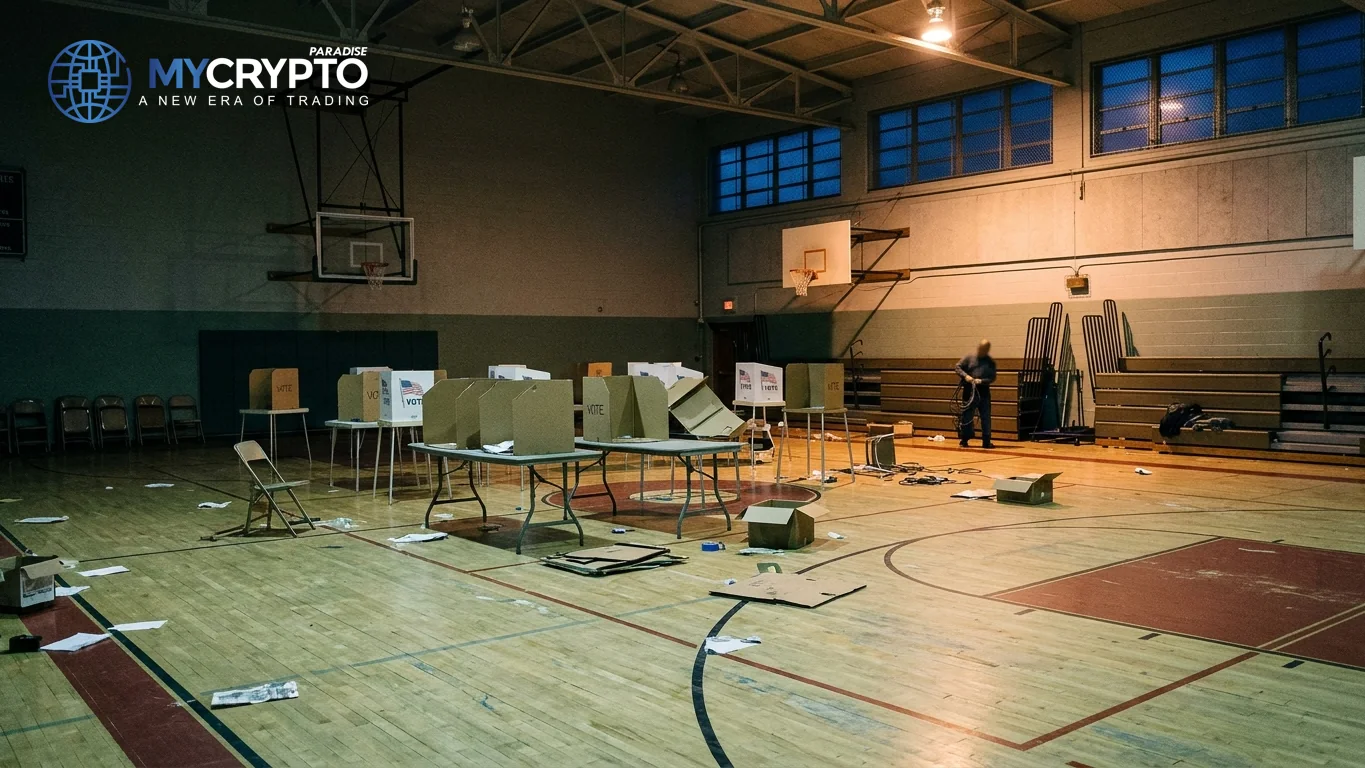
The pain did not stop there. Several pro-crypto Republicans lost their Senate seats in the same cycle, so this was not a one-off local upset.
We covered the broader Democratic sweep earlier today, and how Bitcoin and XRP barely twitched through it. This is the sharper, more specific point underneath that result: the dollars were counted, the votes were counted, and the dollars lost.
There is a familiar gap here between the press release and the ballot box. Industry groups talk about a decisive voting bloc. Election night keeps declining to confirm it.
Structurally, this matters because so much of the recent bull case has leaned on a friendly Washington. Lighter rules, clearer frameworks, an ETF pipeline that keeps widening: all of it assumes crypto can reliably reward its allies and punish its opponents at the polls. Ohio is one data point against that assumption. One race does not rewrite the map, but it does puncture the idea that money alone guarantees the regulatory tailwind the market has been quietly pricing in.
Sixty-four million dollars bought little influence
The transmission runs through expectations, not through any single vote. Markets do not trade a Senate seat. They trade the probability of friendlier rules, and that probability just edged lower.
For two years, part of crypto's risk premium has rested on a simple bet: the industry can buy enough political goodwill to soften regulation. Softer rules mean easier capital formation, more products, and broader access. That lowers the discount investors apply to the asset class.
Ohio chips at the bet. If $64 million cannot hold one seat, the implied cost of buying influence just rose, and the expected payoff fell. That is a mild repricing of the regulatory optimism baked into sentiment.
The effect is slow, not violent. Regulation moves over quarters, so this will not show up as a candlestick today. It shows up as a cooler assumption about the policy path from here.
There is a second-order read too. Politicians who watched pro-crypto money lose may conclude the bloc is easier to defy than to court. That subtly weakens the industry's leverage in the next rulemaking fight, which is exactly where the real economic value sits. The macro channel here is confidence in the regulatory trajectory, and that confidence took a small, honest knock.
Order books shrugged as the narrative softened
Price did the most honest thing it could: almost nothing. BTC traded near $78,562, up about 2% on the day, and ETH near $2,332, up roughly 3%. Both were modestly green, and neither move looks tied to Ohio.
That is the real tell. A genuine regulatory shock would hit BTC first, drain liquidity from the majors, then cascade into alts as leverage unwound. None of that is visible here. The green on the tape reads as broader market drift, not a reaction to a single state race.
So the bearish weight of this story is slow and structural, not a flush. It subtracts from the policy-optimism premium rather than triggering forced selling.
Where it could bite is confidence, and confidence feeds the alts. Small-cap tokens and governance-heavy names lean hardest on the thesis that crypto can shape its own rules. If that thesis keeps losing at the ballot box, those are the assets that should carry a wider risk discount over time, well before BTC feels it.
For now, treat this as a narrative input, not a liquidity event. The chain from a lost Ohio seat to your screen is real but thin. It pressures the story the market tells itself about Washington, and it quietly removes a brick from the bullish policy case, without yet moving a single large order.
Regulatory tailwinds now carry a question mark
The confirmation to watch is tone, not price. Listen for how lawmakers frame crypto in the weeks ahead. If the new makeup of the chamber slows or stalls friendly legislation, this result starts to look like a turning point rather than a footnote.
Watch the pending rule timelines too. Any delay, softer language, or quiet shelving of a crypto-friendly bill would validate the bearish read: that industry money is losing its grip on the policy agenda.
The cleaner invalidation is simple. If friendly legislation keeps advancing regardless of who lost in Ohio, then the political bloc still has leverage where it counts, inside the committee rooms, even when it loses at the ballot box. In that case this story fades to noise.
Keep one eye on the alts specifically. If small caps and governance tokens start underperforming BTC on any day Washington headlines turn hostile, that confirms the thesis is being repriced from the bottom up. And watch for the industry's own response. A louder, better-funded lobbying push would signal the players themselves read Ohio as a setback worth correcting.
The thing that does not need watching is a dramatic same-day price reaction, because there is not one. This is a slow-burn regulatory question, and it will be answered in rulemaking and committee votes over months, not in the next four-hour candle.
Weaker political backing meets a cautious tape
The ParadiseTeam treats this as a narrative data point, not a flow event. A failed $64 million political bet does not move order books by itself, so no one is positioning around Ohio directly.
What it does is remove a brick from the bullish policy story, and that matters because our standing read is already cautious. Price sat near $78,562 as of the current quote, drifting green while the deeper structure stays heavy.
Our market lens is bearish on the daily and weekly. Whales have been distributing hard, with recent readings showing the large majority of them selling into retail's leveraged buying, while price barely moves. That is textbook late-cycle absorption, not a reversal.
Into the 4-hour resistance zone, strength tends to meet supply. Funding sits near 90-day highs and longs are crowded, which keeps a long-squeeze risk live on any stall. A softer regulatory story gives that crowd one less reason to chase.
We mark $79,000 as the near overhead shelf and watch whether any push there attracts selling rather than follow-through. Below, the $61,000 band remains the prior accumulation reference, with deeper air beneath it if the trend resumes. The plan stays to fade recoveries, not front-run them. This result does not change our levels. It just removes a talking point that retail was leaning on, and the crowd is still buying into the exact zone smart money is handing stock away.
The read behind this: we framed this story through our own market analysis, Bitcoin Longs Pile In While 67% of Whales Sell.
Track it live: our live crypto funding rates and the Crypto Fear and Greed Index both update in real time, so you can watch this shift for yourself.
Related coverage
For exact entries, targets, and stop losses with full risk management, that is what ParadiseFamilyVIP is for. New to reading these moves? Start with our crypto trading strategies guide.
ParadiseTeam is monitoring the market situation closely, and we are taking these developments into consideration while building our trading tactics inside ParadiseFamilyVIP.
Crypto trading involves substantial risk. Prices are volatile and you can lose money. This article is educational and is not financial advice. Past performance does not guarantee future results.
Can crypto's political spending still shift U.S. regulation from here?
How 2 Paradisers are calling it
The first call is still open
Free account, no password. Members just sign in.









Join the discussion
No comments yet. Members, share how you are reading this.