


Listen: the breakdown
Market briefing: Space and Time is arguing that a protocol's worth is what survives after rewards end, not what incentives bought. It moved no prices. BTC sat near $84,176, down 1.3%, with ETH near $2,616.
- Space and Time says the real metric is retention: traders and liquidity that remain after incentives stop.
- No market driver here. BTC near $84,176 (-1.3%) and ETH near $2,616 (-3%) moved on broader flows, not this post.
- The idea exposes mercenary liquidity, the first capital to flee alts when BTC wobbles.
Space and Time just reframed how we judge a protocol: not by reward hype, but by what survives after the incentives stop. So which chains actually keep their users?
Space and Time published a quiet argument this week. The next rewards budget is easier to approve when the last one produced something measurable. For a decentralized exchange, that means traders who keep returning after incentives expire. It also means liquidity that stays once the emissions stop. The point is simple: measure what remains, not what was paid for.
This is thought leadership, not a market event. No partnership landed. No token moved. We treat it as an idea worth reading, not a catalyst. Honesty first: nothing here changed a single price today.
Still, the idea cuts into how this cycle was built. Billions in emissions bought activity that vanished the moment rewards did. Protocols celebrated total value locked while renting it by the hour. Space and Time is asking the unglamorous question. When the music stops, who is still in the room?
That question applies far beyond one data protocol. It is the gap between a glossy dashboard and a real business. Mercenary capital farms, dumps, and leaves. Durable demand stays because the product works.
Measuring what remains is not exciting. It is just the only metric that ever truly mattered.
Mercenary liquidity versus loyalty that lasts
The transmission runs through capital behavior, not headlines. When a protocol pays to attract liquidity, it imports mercenary capital. That capital has no loyalty. It chases the highest yield and exits on schedule. So measured activity inflates while real demand stays thin.
Space and Time's framing forces a cleaner read. Retention after incentives is the honest signal. If traders return once rewards end, the product earned them. If liquidity stays, it was never rented. That distinction decides which tokens survive the next drawdown.
This matters for the whole market because emissions are a hidden supply overhang. Reward tokens get sold by farmers who never intended to hold. That selling pressure is structural, not emotional. It drains price regardless of sentiment. A protocol measuring what remains is implicitly measuring how much of that overhang it created.
For traders, the lesson transfers directly. The same test applies to any asset. Strip the incentive, the hype, and the narrative. Ask what demand remains underneath.
The chains that pass that test tend to outlast the ones that fail it.
A conceptual post with no price footprint
This story left no mark on price, and we will not pretend otherwise. BTC was near $84,176, down about 1.3% on the day. ETH sat near $2,616, down roughly 3%. A conceptual post does not move either. The red on the screen came from broader flows.
Those flows tell the real liquidity story. BTC leads, as always. Its mild decline set the tone, and ETH amplified it with a sharper 3% drop. That is the standard pattern. Risk leaves the longer tail first.
Alts feel this gravity hardest, and the Space and Time idea explains part of why. Many alt tokens trade on incentive-driven liquidity. When BTC wobbles and yields compress, the mercenary capital this framing warns about is the first to leave. So the thinnest books gap down fastest. The retention question is not academic for them. It is survival.
ETH's underperformance fits the same read. A 3% drop against BTC's 1.3% shows capital rotating up the quality curve, not down it.
No catalyst here, just the market reminding everyone which liquidity was ever real.
Where retention actually shows up on the chart
Watch behavior, not announcements, because this story was never about a single print. The real test is whether protocols start publishing retention data honestly. If projects begin reporting the users who stayed after rewards ended, the idea has traction. If they keep quoting peak total value locked, nothing changed.
On the chart, the signal shows up in alt liquidity depth. Confirmation looks like order books that hold when BTC dips. Invalidation looks like the usual gap-downs on thin volume. The tokens that stay bid during stress are the ones that earned their liquidity.
For the broad market, the levels that matter sit on BTC. A hold above the $82,000 area keeps the corrective read intact. A clean loss of that zone on rising volume changes the structure, and it would drag the weakest alts first. That is exactly where mercenary liquidity gets exposed. The retention concept becomes visible when conditions turn hostile.
ETH is the near-term tell. If it keeps underperforming BTC, capital is still defensive. A reversal in that ratio would hint at risk appetite returning.
Ideas like this get proven in drawdowns, not in press releases.
What durable demand means at support
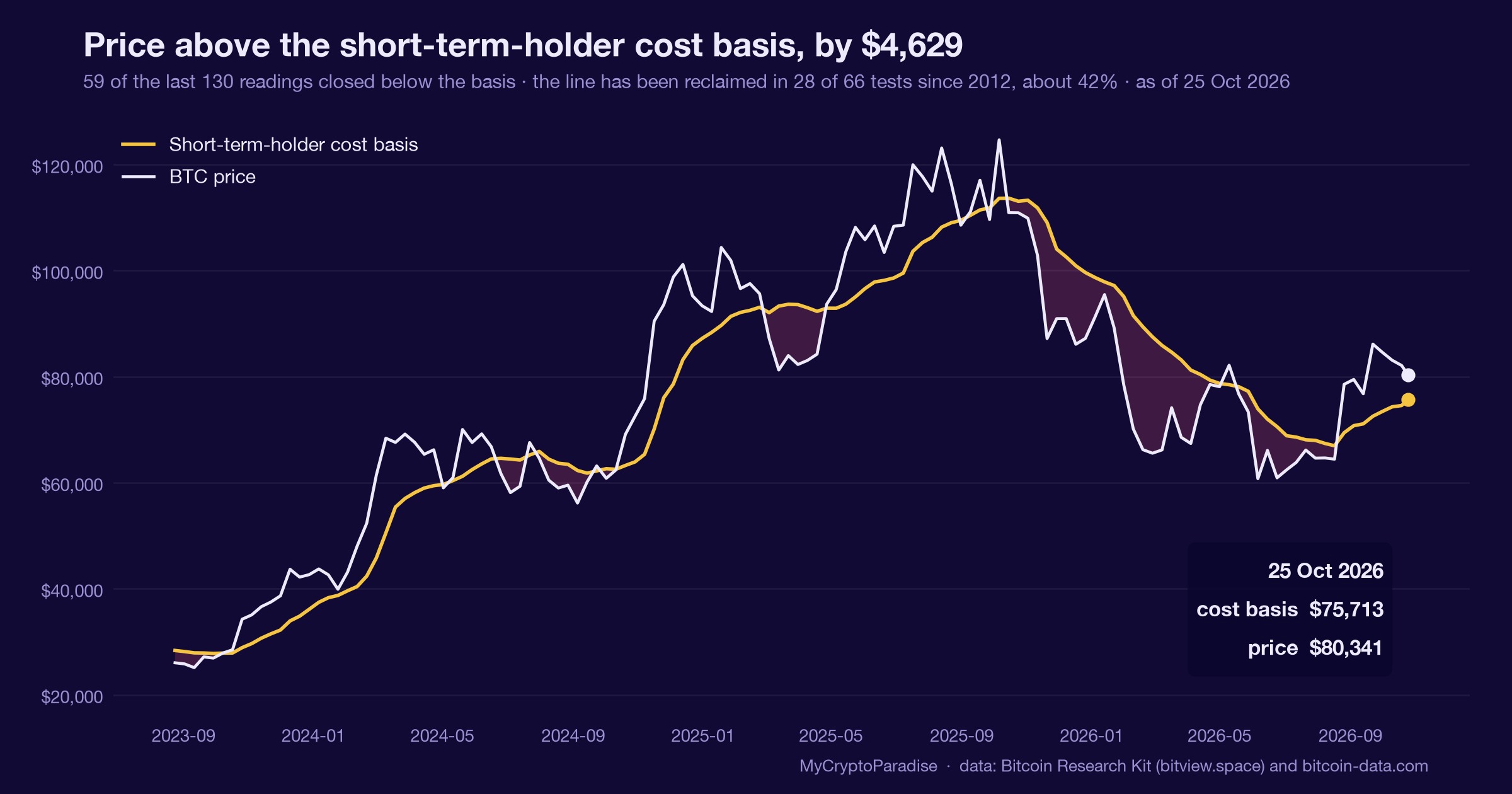
The ParadiseTeam reads this less as news and more as a frame for the current tape. BTC traded near $84,176 as this published, holding just above the support zone around $82,000. That zone carries moving-average, Fibonacci, and historical confluence. It is where durable demand either shows up or does not.
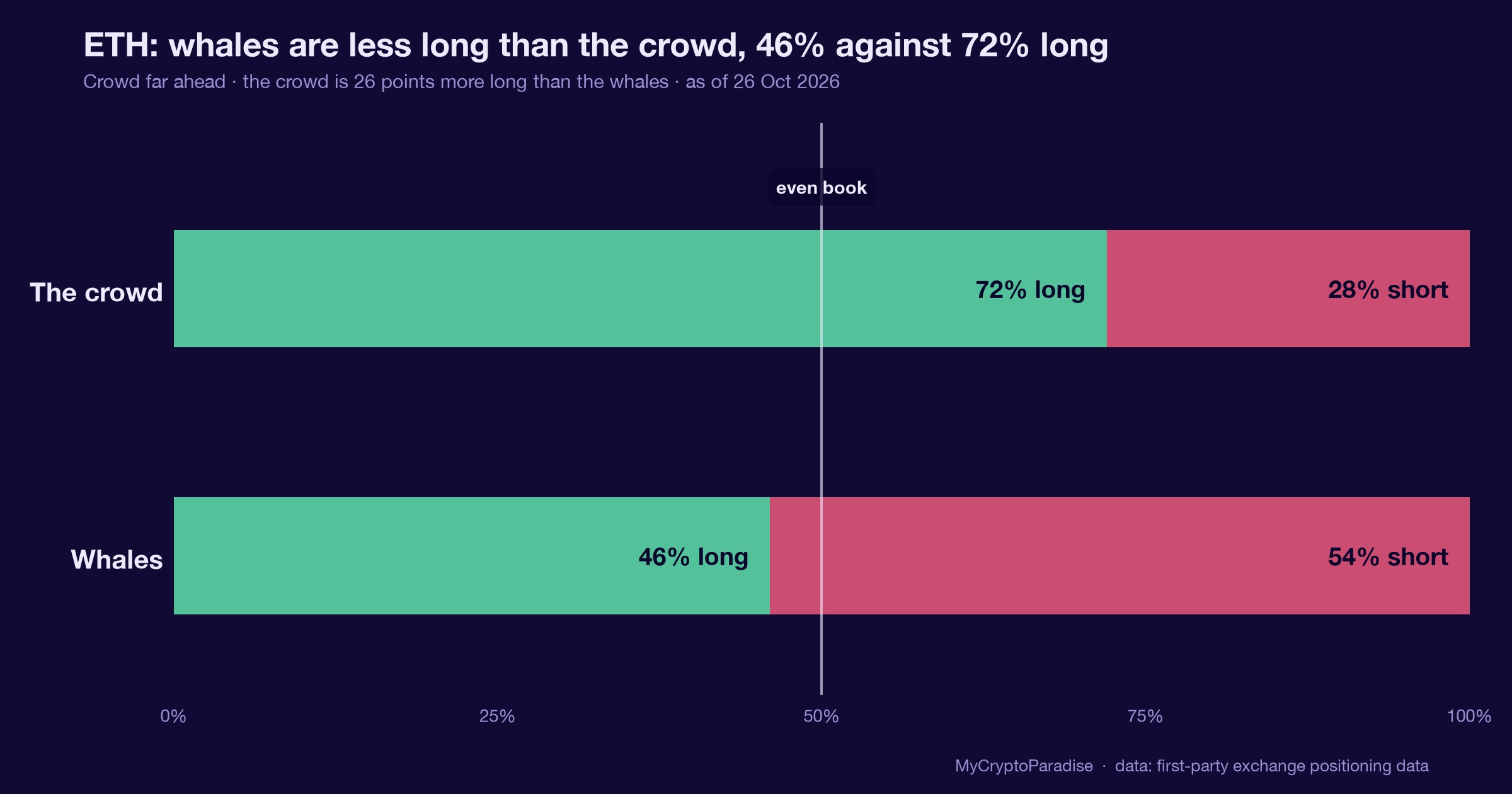
Here the retention idea and our market read overlap neatly. On-chain, whales are net sellers, roughly 65% against 35% buying. Yet that selling is being absorbed at support. Absorption is the price version of retention. Someone is choosing to stay bid while the crowd panics. Retail is fearful, which historically raises the odds of a short squeeze.
So the near-term lean is a possible bounce from the $82,000 area. We hold that view with caution, not conviction.
The macro picture stays heavier. Resistance sits at $88,000 to $90,000, and that is where we expect sellers to reload. A rejection there would fit the distribution pattern, with a deeper flush toward the $55,000 to $44,000 zone on the table if support breaks. That is the structural risk this retention idea quietly describes: liquidity that looks real until it is tested.
Watch volume at $88,000 to $90,000. That level tells us who actually stayed.
The read behind this: we framed this story through our own market analysis, Can Bitcoin Bounce From Support?
Track it live: our Crypto Fear and Greed Index and the crypto liquidation heatmap both update in real time, so you can watch this shift for yourself.
Related coverage
For exact entries, targets, and stop losses with full risk management, that is what ParadiseFamilyVIP is for. New to reading these moves? Start with our crypto trading strategies guide.
ParadiseTeam is monitoring the market situation closely, and we are taking these developments into consideration while building our trading tactics inside ParadiseFamilyVIP.
Crypto trading involves substantial risk. Prices are volatile and you can lose money. This article is educational and is not financial advice. Past performance does not guarantee future results.
After incentives end, do most reward-farmers actually stay with a protocol?
How 44 Paradisers are calling it
The first call is still open
Free account, no password. Members just sign in.





Join the discussion 3
yeah, its what i think about too, after the initial pump. if it doesnt let me protect my purchasing power long-term.. why bother.
Exactly, Diego. Long-term, if it can't hold its own weight without the incentive… it's like a pump with a leak.
Value after rewards end" feels like the wrong question when liquidity itself is the prime reward; people learned this lesson in 2022, after all.