

Listen: the breakdown
Developing story update (October 23, 2026, 07:42 UTC):
New on-chain detail has surfaced on the Project Kimchi collapse. Based on our sources, a cluster of wallets booked more than $385,000 in combined profit from the brief surge before the token gave back over 98 percent of its value, consistent with insiders distributing into retail demand. The trader behind the launch is reported to have received 500 million of the tokens.
The Solana based meme coin turned over roughly $8.66 million to $9.3 million in the past 24 hours, so the losses were spread across real volume rather than a thin, illiquid book. For traders this is a reminder that confirmed wallet-level profit taking around an influencer launch is the clearest tell of a coordinated exit.
What to watch now: Whether any further wallet flows or an on-record response from the named promoters emerge.
Market briefing: Project Kimchi pumped to about $15 million, then collapsed over 98% to $284,000 after a platform co-founder removed his repost. BTC was near $81,682, barely moved, as the majors ignored the microcap drama.
- Project Kimchi hit roughly $15M, then crashed over 98% to $284K
- A co-founder's repost drove the pump; removing it drained the bid
- No spillover to BTC or ETH; the collapse stayed isolated
Project Kimchi memecoin pumped to about $15 million on a single repost, then crashed over 98% in hours. When the endorsement vanished, so did the bid. Who was left holding the loss?
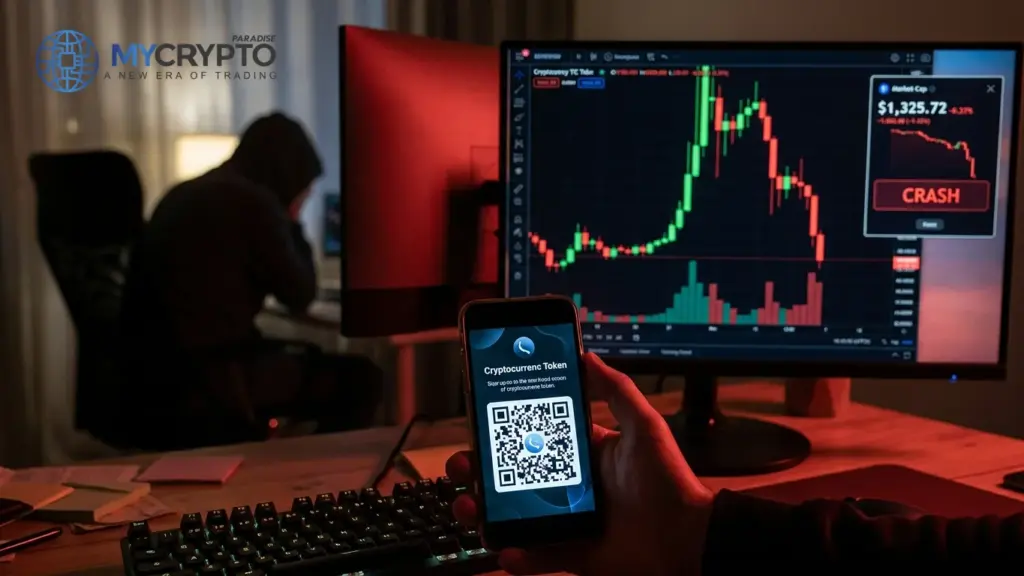
A memecoin called Project Kimchi went from obscure to roughly $15 million in market cap this morning. Then it gave almost all of it back. The token now sits near $284,000, a drop of more than 98%.
The spark was simple. A crypto trader known as Kimchi posted a promotional image with a QR code. The code pointed to the new token. One scan, one purchase, one fresh participant.
The accelerant came next. A co-founder of the Pumpfun platform, Alon, reposted the image. That single repost lent the project a borrowed air of legitimacy. Retail buyers piled in fast.
The unwind was faster. Alon removed his repost. Kimchi deleted the original post. The implied endorsement evaporated, and so did the bid.
What remains is a textbook sequence. Promotion, a prominent repost, a vertical pump, then a near-total collapse into the hands of whoever bought last.
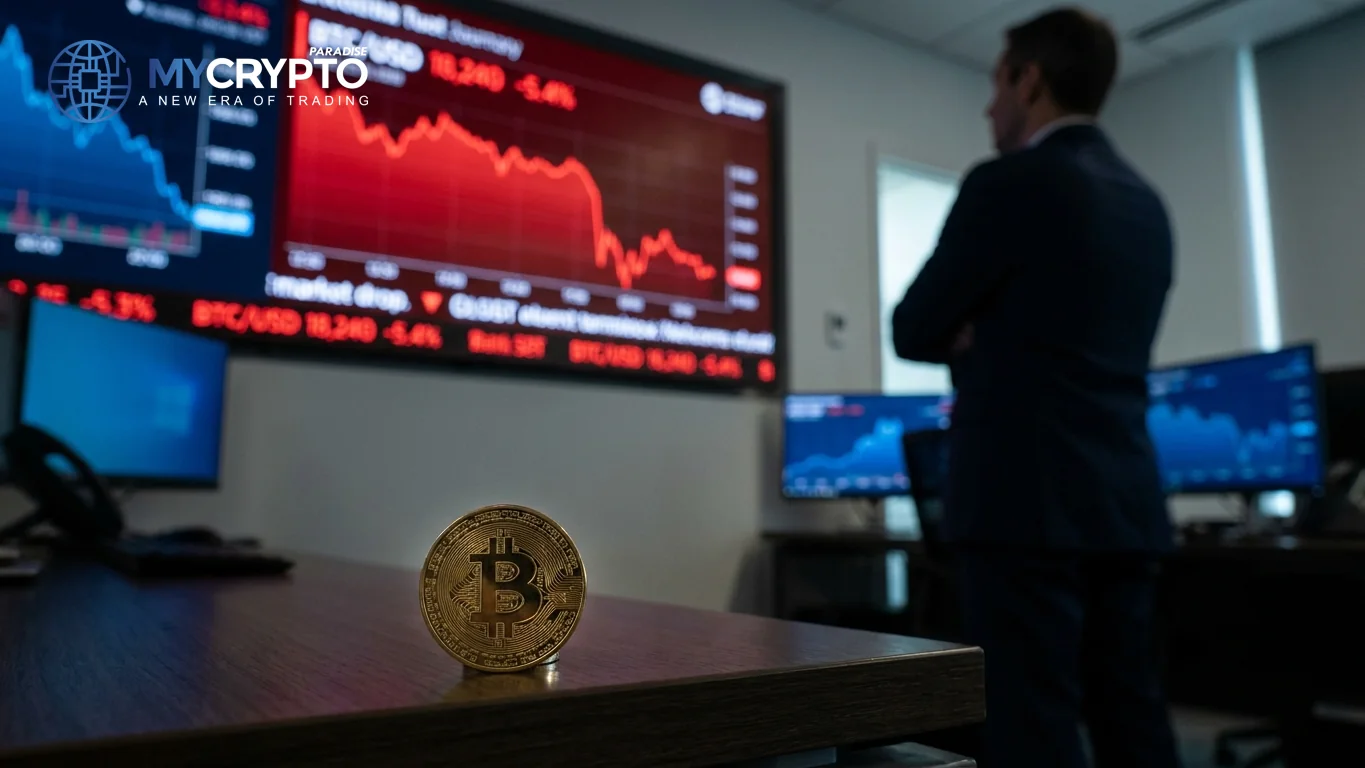
None of this touched the majors. BTC traded near $81,682, down about 0.8% on the day, while ETH held around $2,403. The broad market barely noticed one more microcap round-trip.
Still, the mechanics matter more than the ticker. A borrowed reputation can manufacture a price. It cannot manufacture a reason to hold one. When the borrowing stops, the price finds its real level quickly.
This was an isolated event, not a market signal. But it rhymes with every cycle we have watched. The crowd chases a scan, the early hands sell into the excitement, and the receipt lands on retail.
Influencer hype met instant exits
The driver here is not monetary policy or flows. It is a borrowed endorsement, and endorsements are liquidity in disguise.
A repost from a recognised platform figure works like a temporary credit line. It tells retail the project is safe enough to trade. That belief becomes buying pressure. Buying pressure becomes price.
But the credit was never real capital. It was attention. When the repost disappeared, the perceived backing disappeared with it. Price had nothing left to stand on.
This is the memecoin version of a bank run, compressed into hours. Confidence is the only reserve asset. Remove the signal that created it, and holders rush the same narrow exit at once.
The structural lesson applies well beyond one token. Thin assets price on perception, not fundamentals. A single actor can move them up, and the same actor can remove the reason they moved.
For traders, the takeaway is about where real value sits. Majors like BTC and ETH have deep order books and genuine holders. A fresh microcap has neither. Its entire market cap can rest on one screenshot.
That is why this collapse stayed contained. The money that inflated Project Kimchi was speculative and local. It did not come from, and did not return to, the broad crypto liquidity pool. The majors moved on their own minor terms, indifferent to the drama.
An isolated collapse, no broader spillover
The honest read for the broad market is simple. This event moved nothing outside its own token.
BTC sat near $81,682 as the collapse played out, lower by under 1% on the day. That is consolidation, not reaction. The microcap imploded in its own corner while the majors drifted sideways.
ETH told the same story. Near $2,403 and down about 1%, it showed no stress from the memecoin unwind. Capital did not rotate out of majors to chase Project Kimchi, and it did not flee back in a panic afterward.
Alts were equally unmoved. A single QR-code token does not set the tone for the altcoin complex. Its $15 million peak was a rounding error against the market it briefly lived inside.
So where did the liquidity actually go? Into and out of a small group of wallets. Early participants sold into retail demand near the top. Later buyers absorbed that supply and now hold the loss.
That is the only cascade here, and it ran entirely downhill within one token. No contagion, no forced selling elsewhere, no funding stress.
For positioning, treat this as noise against the real backdrop. The majors remain in a tight range, driven by their own flows and sentiment. One memecoin round-trip does not change that balance. It simply reminds us where the fragile money congregates when the majors go quiet.
Signals that separate hype from substance
The first thing worth watching is whether anything reappears. If the deleted post or the removed repost returns, expect a brief, lower bounce as some buyers hope for a redo. That would confirm the asset trades purely on signal, not substance.
More important is what does not happen. Watch for any sign of spillover into the majors. We do not expect it. BTC holding its recent range would confirm the event stayed isolated, exactly as the structure suggests.
A useful tell is volume. Durable projects keep trading after the hype fades. If the $284,000 base simply bleeds lower on thin volume, that confirms the pump had no organic demand underneath it.
The invalidation case would be a surprise. A genuine funded relaunch, real builders, or sustained volume at higher levels would argue this was more than a promotional spike. The facts suggest otherwise, so we hold that view honestly but lightly.
For the wider tape, keep eyes on the majors on their own terms. BTC near $81,682 is the number that matters for most portfolios, not a microcap's receipt. If the majors stay quiet, retail appetite for the next QR-code token tends to rise.
That is the pattern to respect. Quiet majors push restless capital toward the fringes. The next Project Kimchi is usually already being drafted somewhere. Watching the behaviour matters more than watching this one token.
What exit liquidity reveals about positioning
The ParadiseTeam sees one clean thread connecting this microcap to the majors: who ends up as exit liquidity. In Project Kimchi, retail bought the top from early hands. In BTC right now, the roles look reversed.
Price was trading near $81,682 as of this morning, sitting inside the $80,000 to $81,000 support zone we track as the 0.618 retracement. Retail here is fearful and leaning short. That is the opposite of the memecoin crowd that chased a QR code.
Our read on the majors is that smart money is absorbing this selling. Roughly 56% of tracked smart money bought over the past day. Whales are not panicking at support; they are using nervous sellers as their entry.
So the lesson cuts two ways. In a thin memecoin, the crowd was the exit liquidity. In BTC, the fearful crowd may be supplying it to larger hands near support.
We stay honest about the higher timeframe. Our standing bias remains cautious, with real downside risk toward lower supports if $79,000 breaks and fails to reclaim. Strength into $85,300 or $90,000 can still meet sellers.
The practical point is discipline, not drama. Microcaps built on a repost carry risk no level can manage. Majors at a defined support at least give structure. The ParadiseTeam would rather read a level it can see than a screenshot it cannot.
The read behind this: we framed this story through our own market analysis, Can Bitcoin Still Make a Higher High?
Track it live: our Crypto Fear and Greed Index and the live crypto funding rates both update in real time, so you can watch this shift for yourself.
Related coverage
For exact entries, targets, and stop losses with full risk management, that is what ParadiseFamilyVIP is for. New to reading these moves? Start with our crypto trading strategies guide.
ParadiseTeam is monitoring the market situation closely, and we are taking these developments into consideration while building our trading tactics inside ParadiseFamilyVIP.
Crypto trading involves substantial risk. Prices are volatile and you can lose money. This article is educational and is not financial advice. Past performance does not guarantee future results.
What happens next for pump-driven memecoins like Project Kimchi?
This is how 5 Paradisers are calling it. Tap your call.
No calls on this one yet. Tap yours to be the first.
Free account, no password. Members just sign in.









Join the discussion 3
that "isolated" aspect is just a distraction, isnt it? the real question is why so many still chase these pump-and-dump signals like its a proper trade. a predictable outcome for anyone ignoring the basis.
isolated means nothing when idiots still pump these things. Viktor is right, always a bill to pay, and its usually newbies who dont know better.
isolated from BTC and ETH... how can anything really be... market always pays for exuberance.