

Listen: the breakdown
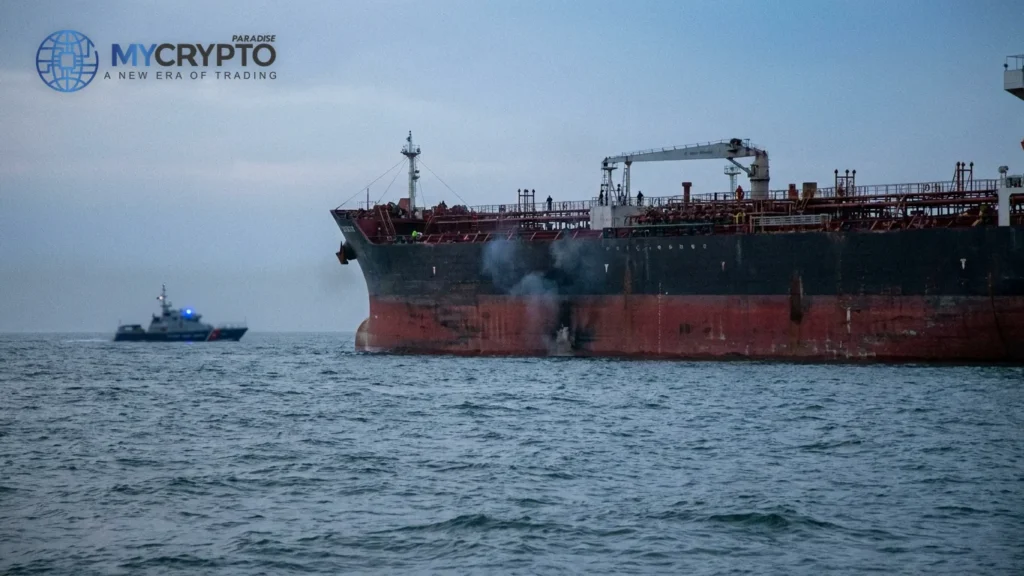
Market briefing: An oil tanker was hit by an unknown projectile in the Strait of Hormuz, one of the world's most sensitive shipping lanes. Yet crypto barely flinched, with BTC near $79,162 and ETH near $2,528, a calm we read as premature.
- An oil tanker was struck by an unknown projectile 12 nautical miles north of Khasab, Oman, in the Strait of Hormuz.
- No injuries or environmental impact were reported, but the location sits on the artery for a large share of global seaborne oil.
- Crypto shrugged: BTC held near $79,162 and ETH near $2,528, a muted reaction we treat as a warning, not an all-clear.
A Hormuz tanker strike just rattled the world's most watched oil lane, yet crypto barely moved. Is that calm real strength, or retail ignoring the risk?
An oil tanker was hit by an unknown projectile in the Strait of Hormuz. The incident happened 12 nautical miles north of Khasab, Oman, one of the tightest and most strategic chokepoints in global energy trade. No injuries and no environmental impact were reported, so this is not a disaster. It is a warning shot.
The Strait of Hormuz matters far beyond the tanker itself. A large share of the world's seaborne crude passes through this narrow lane every day. When projectiles start landing near ships here, insurers, shippers, and energy traders all take notice at once.
So the textbook reaction is simple. A security scare in this corridor lifts oil-price risk, feeds inflation worry, and pushes global capital toward safe havens. Risk assets, including crypto, usually feel that pull.
Except this time crypto did not flinch. Bitcoin held near $79,162, up around 1.5% on the day, while Ethereum sat near $2,528 and gained over 3%. The one-hour move on both was essentially zero.
That disconnect is the real story. Either the market has decided this incident is contained, or traders are simply not paying attention to a macro risk that has not yet forced their hand. We lean toward the second reading, and history rarely rewards a crowd that ignores the shipping lane where the oil actually moves.
Why a Hormuz strike should matter
The transmission from a shipping-lane strike to your crypto screen runs through energy and risk appetite. A projectile near tankers in the Strait of Hormuz raises the perceived cost of moving oil. Higher oil-risk premiums feed inflation fears, and inflation fears keep central banks cautious, which drains liquidity from the speculative end of the market.
Crypto sits at that speculative end. When global risk aversion rises, money typically rotates toward cash, short-dated government paper, and traditional safe havens first. Bitcoin and Ethereum are late in that queue, not early.
So a rational market would have shown at least a flicker of hedging after this news. Instead, the one-hour reaction was flat. That tells us positioning is currently driven by other narratives, not by careful macro risk pricing.
This is where our caution sharpens. A single contained incident is not a crisis. But a chokepoint that keeps generating incidents can escalate quickly, and markets that ignored the early tremors then reprice all at once.
The honest framing is that no single confirmed catalyst is driving today's tape. The green candles owe more to broad risk-on mood than to this specific event. That gap between a real geopolitical risk and a market that refuses to acknowledge it is exactly the kind of complacency that tends to end badly, usually right after everyone agrees it cannot.
Muted crypto reaction tells a story
Start with Bitcoin, because it leads the liquidity chain. BTC near $79,162 is not behaving like an asset absorbing a fresh geopolitical shock. It is drifting higher on general risk appetite, which means the Hormuz news has not entered the price yet.
Ethereum's stronger 3% gain reinforces that read. When ETH outpaces BTC on a risk-off headline, it usually signals speculative flows chasing beta, not defensive hedging. That is a crowd leaning in, not stepping back.
Alts extend the pattern further out the risk curve. If BTC and ETH are ignoring a shipping-lane strike, smaller tokens are ignoring it twice over, riding sentiment rather than pricing macro danger.
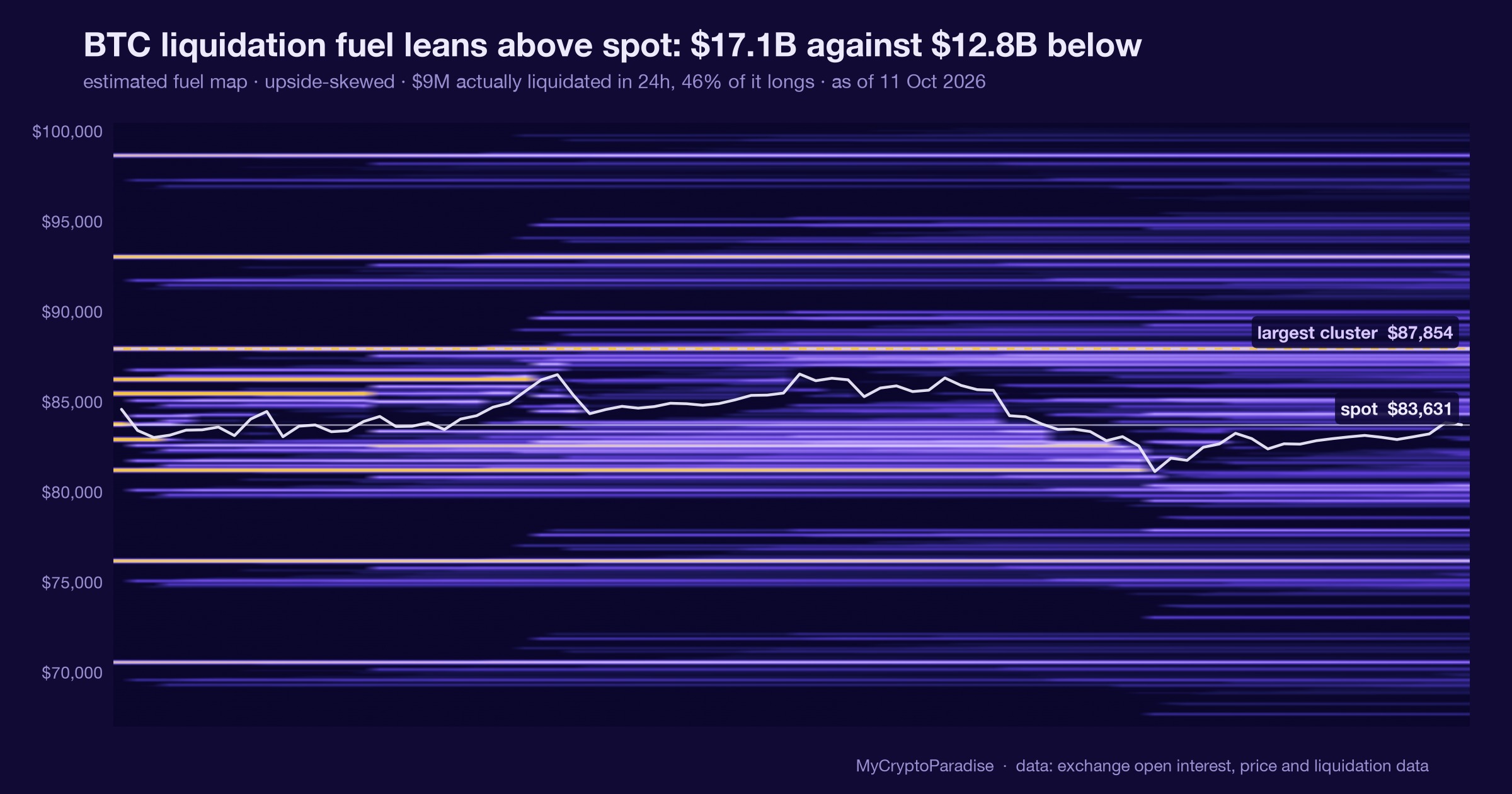
Here is the mechanism that concerns us. Muted reactions to real risk build hidden leverage. Traders add exposure believing the calm is confirmation, which stacks stops in a tight band just below current prices.
If this incident escalates, or if any second Hormuz headline lands, that thin cushion becomes fuel. A sudden oil spike or a fresh security scare could trigger a rapid risk-off cascade, and crypto would likely lead the downside, not lag it. The quiet does not remove the risk. It concentrates it, and it hands the eventual move more energy than most of today's buyers are prepared for.
Signals that would break the calm
The first thing to watch is escalation in the corridor itself. A second incident, a named actor, or any disruption to actual tanker traffic would move this from a headline to a market driver. Until then, the crypto tape is running on other fuel.
Watch oil next. A sharp move in crude would confirm that energy markets are pricing risk that crypto is currently ignoring, and that divergence rarely lasts. Crypto usually catches down to reality rather than energy catching up to crypto's calm.
On the chart, the $79,000 area is the line that matters. A clean reaction lower from here would tell us sellers are using strength to distribute, exactly what we would expect if this calm is a trap. Reclaiming and holding above it would force us to respect the bulls.
Below, $77,700 is the level we track for a structural crack. Losing it on a daily close would suggest the market has finally started acknowledging macro risk, opening the path toward deeper support.
The invalidation for our caution is straightforward. If BTC absorbs any Hormuz follow-through and keeps grinding higher with real volume, then the market genuinely does not care, and we adjust. Confirmation and invalidation both live in how price behaves at $79,000, so we let the level, not the narrative, settle the argument.
What ignored risk means at resistance
$79,000 is doing a lot of work here, and the ParadiseTeam is watching it closely. Price is pressing into an area that already turned sellers back once, and it is doing so while a genuine geopolitical risk gets waved away. That combination, strength into resistance plus a crowd ignoring danger, is the textbook shape of distribution.
Our read of the current market is cautious and medium-term bearish. We see retail returning with loud upside targets while structure stays broken, and this muted response to a Hormuz strike fits that picture of premature optimism.
Smart money, in our framework, is not buying this calm. It is waiting for institutions and stressed miners to capitulate so it can absorb that supply lower. A quiet reaction to real risk does not bring that flush closer, it delays it.
So where do the stops sit? They cluster just under current prices, built by traders who read today's calm as confirmation. That is the liquidity a downside move would hunt first.
The ParadiseTeam treats $79,000 as the referee. Rejection here keeps our focus on $77,700, then the $72,000 region as a medium-term magnet. A convincing reclaim would pause that thesis. We favor patience over chasing green candles, because a market ignoring the oil lane is not proving strength, it is postponing the reckoning. None of this is a promise, only probabilities and disciplined risk.
The read behind this: we framed this story through our own market analysis, Bitcoin Looks Like 2022: Another Crash Coming?
Track it live: our Crypto Fear and Greed Index and the live crypto funding rates both update in real time, so you can watch this shift for yourself.
Related coverage
For exact entries, targets, and stop losses with full risk management, that is what ParadiseFamilyVIP is for. New to reading these moves? Start with our crypto trading strategies guide.
ParadiseTeam is monitoring the market situation closely, and we are taking these developments into consideration while building our trading tactics inside ParadiseFamilyVIP.
Crypto trading involves substantial risk. Prices are volatile and you can lose money. This article is educational and is not financial advice. Past performance does not guarantee future results.
Does crypto's calm on the Hormuz strike hold, or crack within a week?
This is how 28 Paradisers are calling it. Tap your call.
No calls on this one yet. Tap yours to be the first.
Free account, no password. Members just sign in.


Join the discussion 10
I used to panic-sell my small spot bag every time I saw "oil tanker" in the news, so it's good to see it not dip this time. Maybe I'm finally learning! Sorry.
An oil tanker in the news is noise, Marta. Price action tells us if it matters for purchasing power.
yeah, surprised we didn't get more chop from that! thought for sure the algos would hit the panic button faster. maybe the real risk is always being exit liquidity?! 🤷♂️
The stability is encouraging. I always consider the geopolitical load cases and plan for the unexpected deflections.
Ahmed the stability is seasonal. we see these holds every dry season its normal.
It's true, even my roommate who always says crypto is just gambling didn't mention this news... I check the levels anyway.
You check the levels. Good. News or no news... always check. Markets always find a reason after the fact.
It's when my father starts asking about dollar rates that I know we're in real trouble.. not oil tankers. Liquidity decides.
Indeed, Jessica. The market's composure here, even with the news, is a testament to how well defined levels now dictate risk, which is frankly why I trade.
its good to see this level hold up. what's the one level that matters now