

Listen: the breakdown
Developing story update (October 13, 2026, 07:41 UTC):
Once-largest Ethereum NFT marketplace Blur is shutting down after volumes collapse 99% Memes | GameDev | 𝕏 takes
Market briefing: Blur, once Ethereum's largest NFT marketplace, will close its frontend on November 12 and halt new loans on Blend, and the BLUR token fell more than 30 percent. Bitcoin held near $83,563 as the NFT segment buckled.
- Blur will shut its marketplace frontend on November 12 and stop matching new Blend loans.
- The BLUR token fell between 20 and over 30 percent within 24 hours of the news.
- More than 1,000 ETH in loans have been recalled, raising the risk of forced NFT sales.
Blur once ruled Ethereum's NFT marketplace. Now it will shut its frontend on November 12, the token has cratered over 30%, and loans are being recalled. Is this the segment's capitulation?
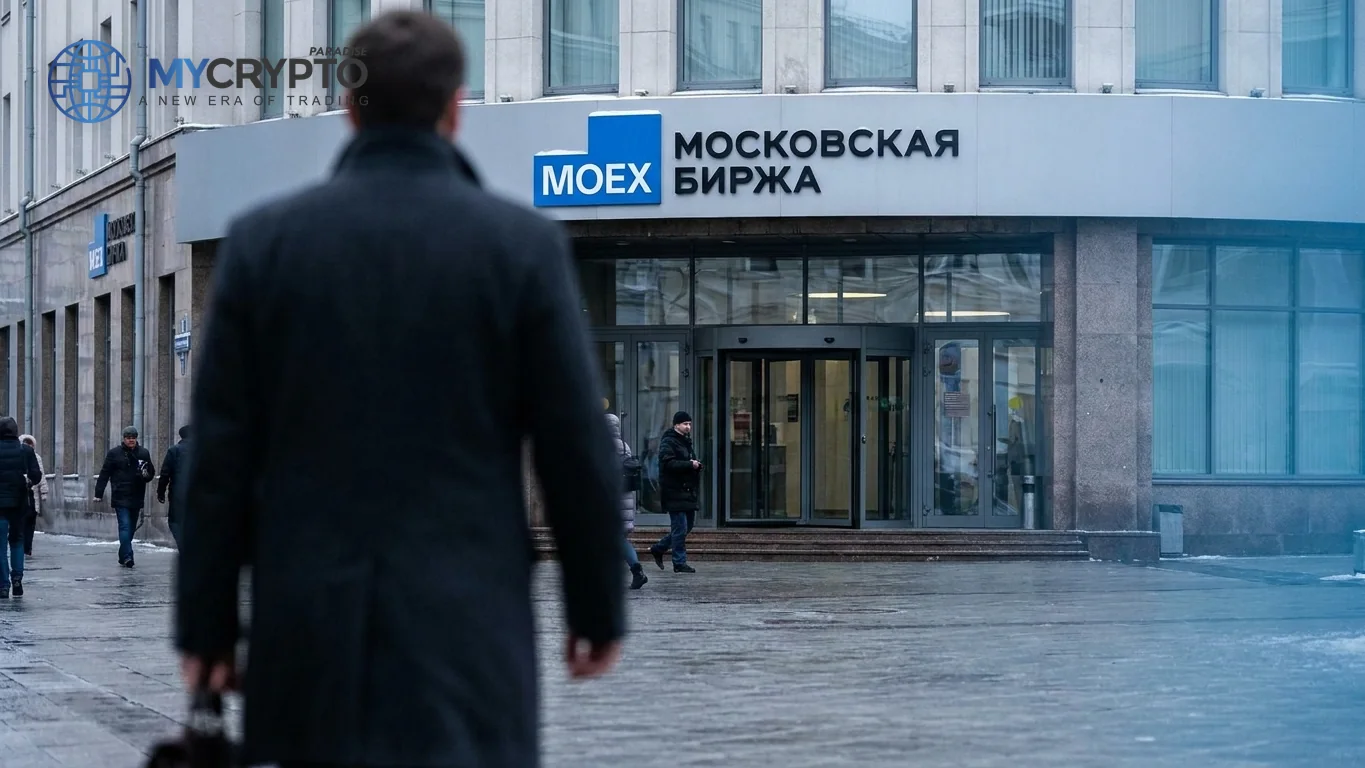
Blur confirmed it will close its marketplace frontend on November 12. On the same date, its Blend lending protocol stops matching new loans. This was once Ethereum's largest NFT marketplace. Within 24 hours of the announcement, the BLUR token fell between 20 and more than 30 percent.
The lending side is where it gets heavy. More than 1,000 ETH in loans have been recalled. Borrowers must repay or face default. That raises a real fear across an already battered market: forced NFT sales, dumped into thin bids, from holders who never planned to sell.
The backdrop explains the exit. Monthly trading volume on Blur has collapsed more than 99 percent from its peak. A marketplace that once set the pace for NFT trading is now closing the door because almost nobody is walking through it.
None of this arrived in isolation. The closure follows the shutdown announcement for Blast, another project from the same creator, Tieshun Roquerre. Two headline products from one builder, both winding down inside the same window.
For traders, the structural message matters more than the token chart. This is not a dip that smart money quietly accumulates. It reads as a project standing down after demand evaporated, and the mechanics of the wind-down now threaten to force sellers who would rather hold. A once-dominant platform leaving the stage rarely marks a bottom for the thing it dominated.
A 99% volume collapse ends in shutdown
The transmission here runs through lending, not sentiment. Blend let NFT holders borrow ETH against their assets. Recalling more than 1,000 ETH in loans forces a choice: repay in full, or default and surrender the collateral.
Many borrowers cannot repay cleanly in a weak market. So the collateral gets liquidated. NFTs that were parked as loan backing now hit the order book as sellers, not holders. That converts dormant positions into live supply at the worst possible moment.
That supply lands on an already thin market. Volume across NFTs has drained for months, and Blur's own throughput fell more than 99 percent from its peak. Thin books mean each forced sale moves the floor further, which can trigger the next margin call. A liquidation cascade feeds itself.
The second-order effect reaches ETH. NFT collateral and NFT activity both settle on Ethereum. Forced ETH repayments and distressed selling pull on ETH liquidity exactly as one of its oldest demand engines goes dark.
There is a wider signal too. When a category leader shuts its doors because the activity left, it is a verdict on the segment, not one app. The press release will frame it as streamlining. The balance sheet of a 99 percent volume decline tells the plainer story. Traders should read this as contraction in a crypto market segment, and price risk accordingly rather than hope for a quick snapback.
Forced NFT sales pull on ETH liquidity
Start with the token at the center. BLUR absorbed the first hit, down between 20 and over 30 percent, because its core product is being switched off. There is no revenue story left to defend the price.
The liquidity drain then travels outward. Recalled loans force ETH repayments or collateral dumps, so ETH feels a direct pull. ETH traded near $2,528 into this news, already soft on the day, and NFT-driven selling adds weight exactly where the market is thin.
Alts tied to the NFT economy sit next in line. Marketplace tokens, NFT-lending plays, and collection-linked assets all borrow their demand from the same shrinking pool. When the leader leaves, the smaller names rarely hold their bid.
Bitcoin is the cleaner read. BTC held near $83,563, down only fractionally, because this is an Ethereum-NFT problem, not a Bitcoin one. The story does not threaten BTC's structure directly.
But it does widen the gap between Bitcoin and the long tail. Capital in a contracting segment tends to retreat toward the assets it trusts most, and that usually means BTC over NFT-adjacent alts. The spillover here is selective, hitting ETH and NFT tokens harder than the majors.
The honest framing: this is distribution by necessity, not accumulation. Forced sellers are not choosing their exit. That is precisely the kind of flow that keeps a weak segment weak until the recalled loans clear.
November 12 sets the liquidation clock
The date is the pivot. November 12 is when the frontend closes and Blend stops matching new loans. The window before it decides whether this stays orderly or turns into a scramble.
Watch the recalled loans first. If borrowers repay the 1,000-plus ETH quietly, forced selling stays contained and the damage sits mostly in the BLUR token. If repayment stalls, defaults trigger collateral liquidations, and NFT floors take the next leg down.
NFT floor prices are the real-time gauge. A steady grind lower suggests the market is digesting supply. A sharp air-pocket on major collections would confirm a cascade is live, with each liquidation forcing the next.
ETH is the macro tell. If ETH holds near its recent range despite the repayment pressure, the segment pain is staying ring-fenced. A fresh breakdown in ETH alongside the deadline would signal the NFT drain is bleeding into the base layer.
Invalidation of the bearish read would need two things: smooth loan repayment and stable floors through November 12, with no spike in defaults. That outcome is possible, but the setup leans the other way.
Confirmation is simpler and, frankly, more likely: defaults rise, floors slip, and NFT-linked tokens keep leaking as the deadline nears. Either way, do not confuse a dead-cat bounce in BLUR for a recovery. A closing marketplace does not reopen because the chart looked oversold for an afternoon.
Why this failure signals segment contraction
The ParadiseTeam separates the majors from the wreckage here. This is an Ethereum-NFT contraction event, so it does not rewrite the Bitcoin structure, but it does sharpen why leadership matters.
On BTC, our standing lens stays constructive. Bitcoin held near $83,563, with support we track at $81,500 and the prior high at $83,400 as the line into a push toward $90,000. Smart money has been absorbing fearful retail selling in BTC, so pullbacks toward $81,500 read as healthy, not broken.
The Blur story is the counterweight, and it sits on the altcoin side of the ledger. ETH near $2,528 carries the direct pull from recalled loans, and NFT-linked tokens inherit the weakness. Strength in BTC does not insulate them; if anything, it drains them.
So the positioning read is a widening quality gap. In a contracting segment, capital rotates toward the asset it trusts, and that favors BTC over NFT-adjacent names. Chasing a bounce in a closing marketplace's token is where retail usually gets trapped, buying a story that already ended.
Where do the stops sit? Under NFT floors and under BLUR's broken structure, exactly the zones forced liquidations will probe. That liquidity gets taken, not defended.
The discipline is simple. Treat BTC dips to $81,500 as the bullish structure the lens describes, and treat the NFT segment as a separate, bearish problem. Do not let one borrow conviction from the other.
The read behind this: we framed this story through our own market analysis, Bitcoin Miner Moves $81M: Is $44K Next?
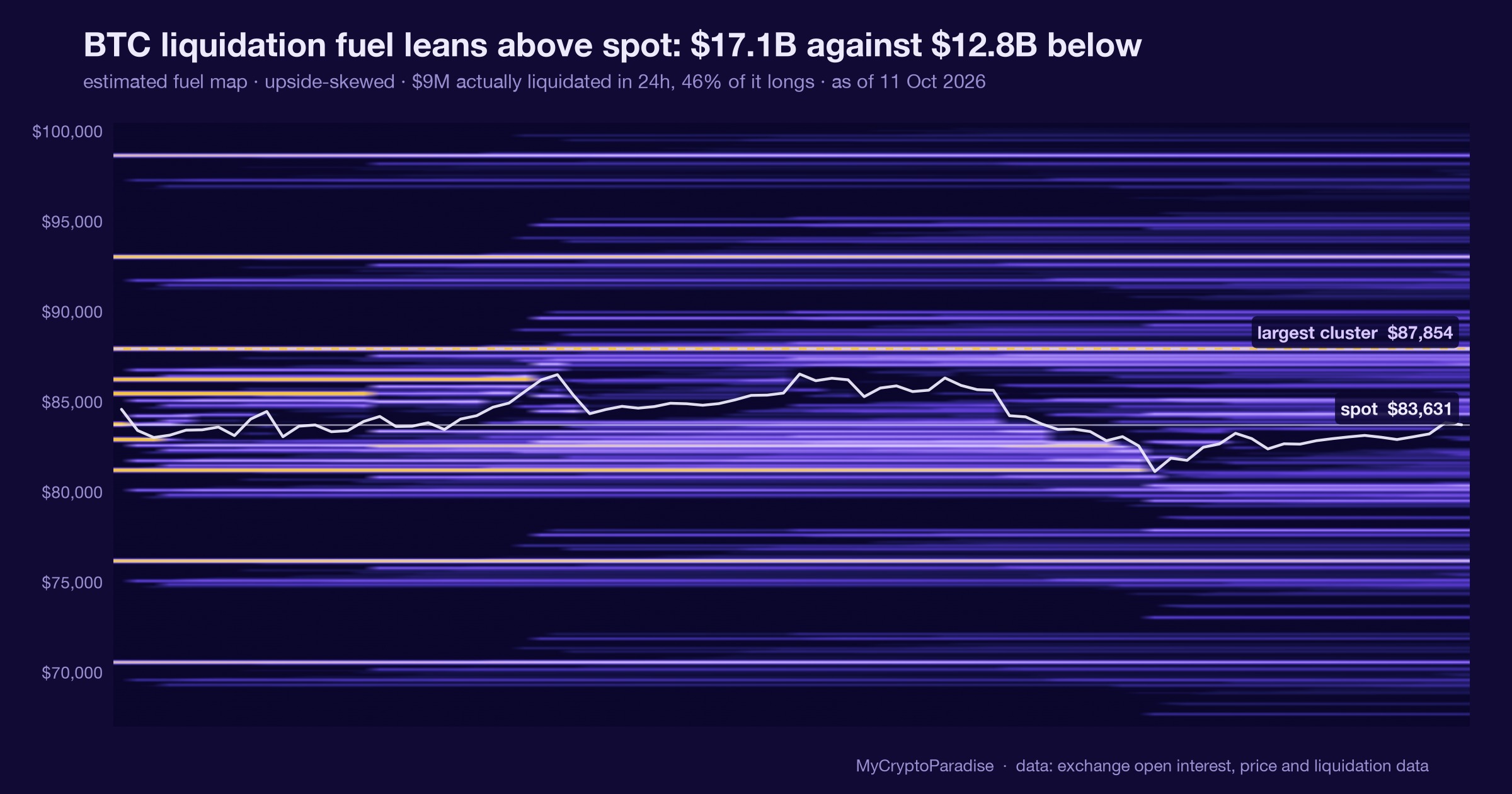
Track it live: our crypto liquidation heatmap and the Crypto Fear and Greed Index both update in real time, so you can watch this shift for yourself.
Related coverage
For exact entries, targets, and stop losses with full risk management, that is what ParadiseFamilyVIP is for. New to reading these moves? Start with our crypto trading strategies guide.
ParadiseTeam is monitoring the market situation closely, and we are taking these developments into consideration while building our trading tactics inside ParadiseFamilyVIP.
Crypto trading involves substantial risk. Prices are volatile and you can lose money. This article is educational and is not financial advice. Past performance does not guarantee future results.
Will Blur's loan recalls force an NFT selloff that drags ETH lower?
This is how 4 Paradisers are calling it. Tap your call.
No calls on this one yet. Tap yours to be the first.
Free account, no password. Members just sign in.







Join the discussion 2
I’m not surprised they’re shutting down. How can an "artist-friendly" marketplace just look away when art gets stolen and minted?! It really hurts to see this happen again. 😞
This development seems to confirm some of the broader illiquidity concerns. I'll be watching the basis on some of the more liquid NFT perps for any significant shifts.