


Listen: the breakdown
Market briefing: Two ethical hackers cracked an Aptos consensus flaw that put $70 billion at risk, and it cost hundreds of dollars. Bitcoin barely blinked near $62,875, and that calm is the story.
- Two ethical hackers hit a near 90% success rate against an Aptos consensus flaw.
- The bug theoretically put $70 billion at risk and was patched, executed on a $3,000 server.
- BTC held near $62,875 and ETH near $1,755, so the real risk is narrative, not contagion.
The Aptos flaw exposing $70 billion was found by two ethical hackers on a $3,000 server. The bug is patched, so why does this story still matter for traders?
Two ethical hackers found a flaw in the core consensus mechanism of Aptos. They were not thieves. They were researchers, and they wrote the report before anyone lost a coin.
What they built is the part that should hold your attention. Using a single server that cost $3,000, they reached a near 90% success rate against the exploit. The whole attack cost only hundreds of dollars to run.
The number attached to it is large. The vulnerability could have theoretically put $70 billion in network value at risk before it was closed.
That figure is a ceiling, not a loss. The flaw has been patched, no funds moved, and the disclosure worked exactly as responsible disclosure is meant to.
Still, the framing writes itself. A cheap server, a huge notional number, a young chain: that is a headline that travels faster than the fix that already landed.
Markets rarely read the second paragraph. They read the first, feel the fear, and act on it.
And that is the useful tension here. The engineering outcome was reassuring, yet the emotional residue points the other way, and residue is what gets traded.
Why a patched bug still moves sentiment
Start with the honest part. This is not a same-day catalyst that dragged the whole market down. The direct price impact of a patched Aptos flaw on Bitcoin and Ether is limited, and their small moves prove it.
So we read this as a narrative event, not a contagion event. That distinction matters.
The transmission runs through perception, not code. A story about a $70 billion flaw found for the price of a used laptop reinforces one idea in a nervous crowd: altcoins are fragile.
That idea does real work. When traders believe the smaller chains are brittle, they raise their risk premium on everything below Bitcoin, and they do it quietly.
Here is the mechanism we care about. Sentiment is already stretched, with greed running hot and the majority of positioning leaning long. A fresh fragility narrative gives that crowd a reason to hesitate.
Hesitation at the top of a leveraged move is where flushes begin.
The patched status of the bug is almost beside the point for price. Markets do not price the fix. They price the feeling, and the feeling this story feeds is caution about risk assets held with borrowed money.
How the risk narrative reaches BTC and ETH
Follow the liquidity, not the token. Aptos is the subject, but Aptos is not where the pressure lands first.
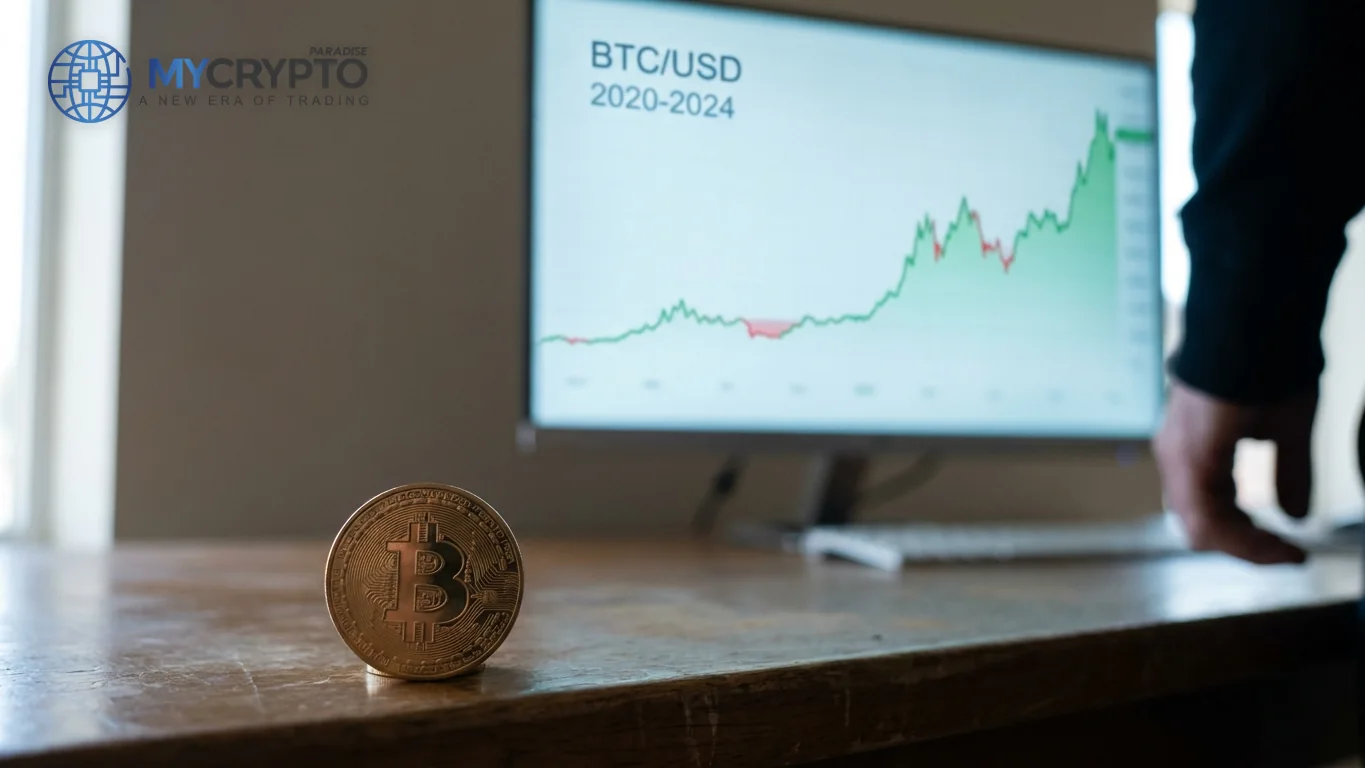
Bitcoin sits at the center of the map. It was trading near $62,875, down about 0.4% on the day, which is the price of a market that is uneasy rather than falling.
Ether tells the same story a shade softer. Near $1,755 and off around 0.8%, it drifts with Bitcoin instead of leading it.
That quiet is the point. When a loud, scary headline fails to shift the majors, it usually means the selling is being absorbed, not that the risk was ignored.
The cascade, if it comes, moves outward from the majors to the edges. A risk-off nudge pressures BTC and ETH gently, then hits the vulnerable alts hardest, and any chain with a fresh security question mark wears the widest discount.
That is how a story about one network becomes a tax on all of them.
Watch the alts as the tell. If they begin to bleed while Bitcoin holds, the fragility narrative is doing its job, and overleveraged longs across the board become the fuel for the next move down.
What confirms the flush versus fades it
The cleanest signal is altcoin behavior over the next sessions. Capitulation there, sharp and broad, would be the precursor we are watching for, not the aftermath.
If smaller caps sell off while Bitcoin refuses to break, treat that as confirmation. It means the risk narrative is being used to shake out weak hands before the majors make their real move.
The invalidation is just as clear. If alts shrug this off, greed stays hot, and Bitcoin pushes through resistance on rising participation, then this story was noise and the distribution read was wrong.
We would rather be honest about that than married to a thesis.
Watch positioning as the second tell. A crowded long book near resistance is a spring, and a wave of long liquidations would confirm the spring released.
A slow, orderly grind higher would suggest the opposite: real demand absorbing supply.
And keep one eye on the Aptos ecosystem itself. Since the flaw is patched and no funds were lost, a calm recovery there argues the market has already filed this correctly, while a lingering drift lower argues the fear is sticky. Fear that lingers on old news is often the fear worth respecting.
What this print signals for altcoin risk
The ParadiseTeam reads this through positioning, not panic. With Bitcoin near $62,875 and barely moving, the tape is coiled, not broken.
Our near-term bias stays cautious on risk. Greed is elevated, the long side is crowded, and momentum is slowing beneath resistance rather than accelerating through it.
That combination is where distribution usually hides. Smart money does not need a real Aptos loss to act. It needs a story, and a $70 billion flaw found on a $3,000 server is a very usable story.
So we frame the Aptos news as a lever, not a cause. It hands the larger players a clean excuse to keep absorbing retail buying while the crowd stays greedy.
Where do the stops sit. They sit under the greedy longs, below support, exactly where a flush would do the most damage and the most re-accumulation.
That is the asymmetry we respect here.
What would change our mind is simple. A decisive Bitcoin reclaim of resistance with alts holding firm would flip the read, because it would mean the fragility narrative failed to bite. Until then, the ParadiseTeam treats strength into greed as something to fade, not chase, and keeps risk small while the market decides who is trapped.
Track it live: our Crypto Fear and Greed Index and the live crypto funding rates both update in real time, so you can watch this shift for yourself.
For exact entries, targets, and stop losses with full risk management, that is what ParadiseFamilyVIP is for. New to reading these moves? Start with our crypto trading strategies guide.
ParadiseTeam is monitoring the market situation closely, and we are taking these developments into consideration while building our trading tactics inside ParadiseFamilyVIP.
Crypto trading involves substantial risk. Prices are volatile and you can lose money. This article is educational and is not financial advice. Past performance does not guarantee future results.







Join the discussion
No comments yet. Members, share how you are reading this.