

Listen: the breakdown
Market briefing: The US Treasury sanctioned 134 ISIS-K crypto addresses and Tether froze the USDT inside them, yet Bitcoin sits calm at 61,612 dollars, up 2.4 percent. Targeted enforcement, not a market event.
- Treasury sanctioned 134 crypto addresses tied to ISIS-K, 131 on TRON and 3 on Monero.
- The wallets took in over 1.4 million dollars and moved over 880,000 dollars since 2023.
- Tether froze USDT across all 131 TRON addresses after the July 1 OFAC update.
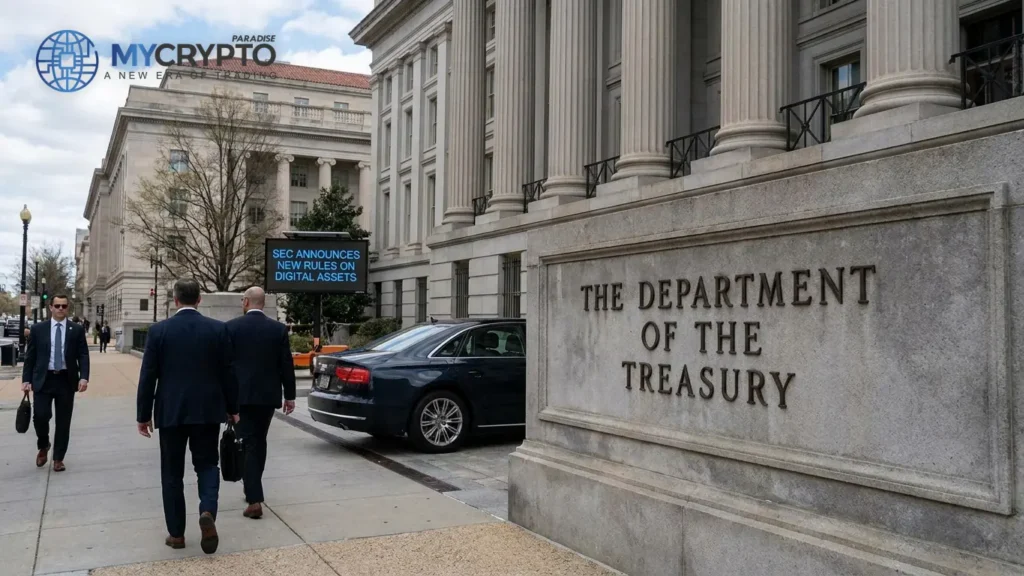
The US Treasury just sanctioned 134 ISIS-K crypto wallets and Tether froze the funds inside. So why did Bitcoin barely blink at 61,612 dollars?
The US Treasury sanctioned 134 crypto addresses linked to ISIS-K. Of those, 131 sit on the TRON network and 3 are Monero wallets. These wallets received over 1.4 million dollars in crypto since 2023 and moved over 880,000 dollars back out. Some of that money was routed to Syrian crypto exchangers. ISIS-K allegedly used Tron, Monero, and Bitcoin to solicit donations. Then compliance moved fast. Tether froze USDT balances across all 131 TRON addresses, following an OFAC update on July 1. Earlier today we covered that freeze on its own. What is new is the full sanctions net behind it, and what it says about who now enforces the rules. This is the modern shape of crypto surveillance. A government names the addresses, and a stablecoin issuer executes the freeze within a day. The chain is public, the funds are visible, and the choke point is the stablecoin. For a market that once sold itself as unstoppable and unfreezable, that is a quiet but real shift. The numbers here are small by market standards. A 1.4 million dollar case does not move a two trillion dollar asset class. So the driver matters less for price today and more for structure. It reinforces one direction of travel: tighter oversight, more traceability, and more compliance power concentrated in a few large issuers. Bitcoin, meanwhile, trades at 61,612 dollars, up 2.44 percent on the day. The tape shrugged.
How stablecoin freezes extend financial surveillance
The macro story is not the 1.4 million dollars. It is the mechanism. A sanction from the Treasury turned into a live freeze by a private stablecoin issuer inside 24 hours. That is traditional financial surveillance extended into the digital asset realm, at the speed of code. Tether froze 131 addresses at once. No bank, no court queue, no delay. The public ledger made every wallet traceable, and the issuer held the switch. This is the transmission mechanism that regulators want. Illicit finance flows through crypto, so the state pushes the compliance burden onto the largest choke points. Stablecoins are the obvious one. They are centralized, they are used everywhere, and they can freeze balances instantly. Each case like this de-risks the asset class in the eyes of institutions. Cleaner rails invite bigger capital. That is the long-run bullish read on regulation, even when the near-term headline sounds like a crackdown. The trade-off is concentration. More power to freeze funds sits with fewer issuers. For traders, the practical effect is muted. Targeted sanctions on terror financing wallets do not create forced sellers. They do not de-peg a stablecoin or drain an exchange. So the liquidity that actually drives Bitcoin and Ethereum stays untouched. The keyword here is targeted. This is a scalpel, not a hammer, and the market can tell the difference.
Why this enforcement leaves liquidity untouched
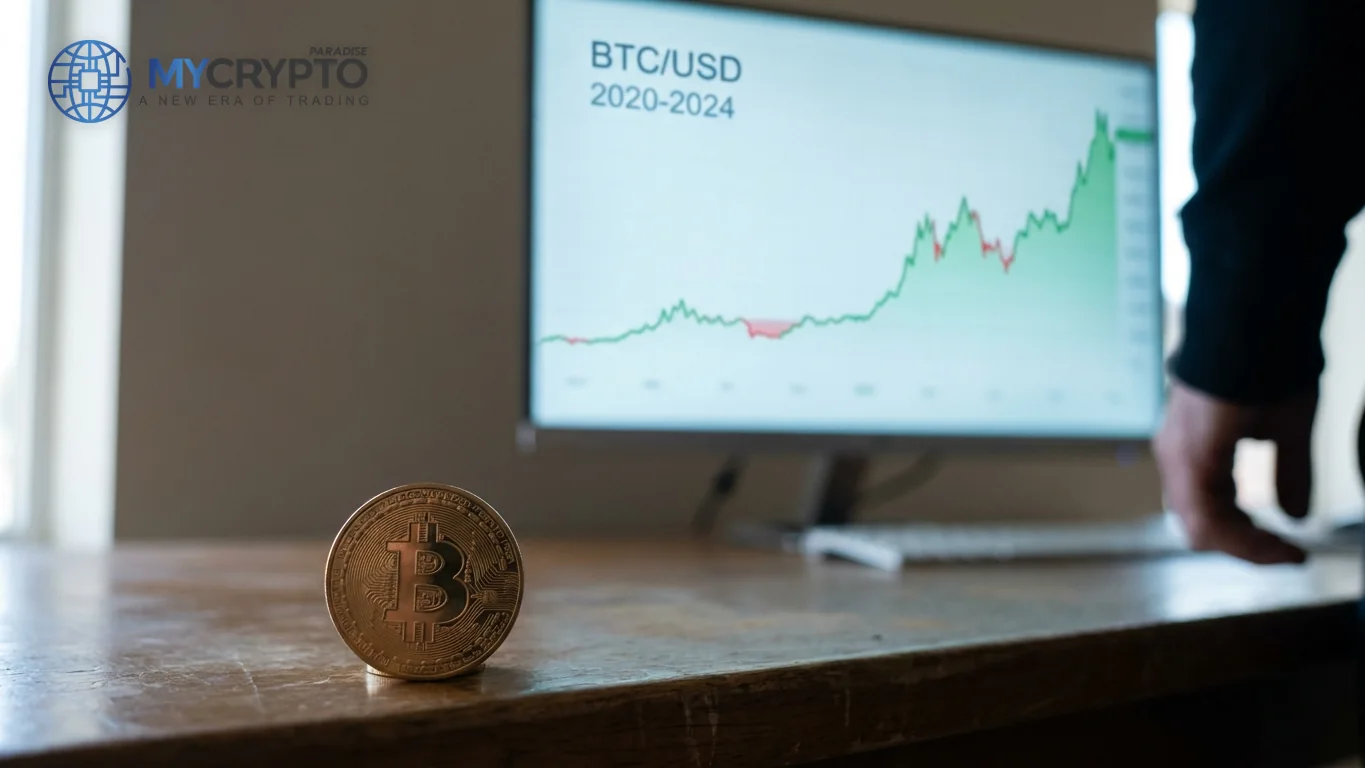
Price action confirms the read. Bitcoin trades at 61,612 dollars, up 2.44 percent, on a day the Treasury announced fresh crypto sanctions. That is not the reaction of a market that fears this event. The reason is simple. A liquidity cascade needs forced sellers. It needs a hack that drains an exchange, a stablecoin that loses its peg, or a large lender going insolvent. None of that is present here. Freezing 131 wallets holding illicit funds removes bad actors, not real market supply. So the usual chain breaks at the first link. There is no macro shock, so there is no liquidity shock, so Bitcoin does not move. From Bitcoin, the calm passes down the risk curve unchanged. Ethereum has no direct exposure to a TRON and Monero terror-financing case. Altcoins, even TRON itself, see no meaningful selling from a targeted 1.4 million dollar action. The one asset with a live role, USDT, actually looks stronger for it. A stablecoin that enforces sanctions on demand becomes more acceptable to regulators, not less. That is the opposite of a de-peg risk. The muted tape tells you smart money has already filed this under compliance, not crisis. Retail may read the headline as more government control and feel a flush of fear. But fear without forced selling does not print lower lows. It just sits there, unspent.
What would turn compliance into a real risk
The confirmation that this is a non-event is the price itself. As long as Bitcoin holds firm near and above 60,000 dollars while these headlines land, the market is telling you the FUD is contained. Watch whether the sanctions story stays narrow. If it remains a targeted terror-financing case, expect no follow-through in price. That is the base case. Invalidation would look very different. If enforcement widened from named bad actors toward broad freezes of ordinary user funds, or if a major stablecoin issuer showed signs of stress rather than strength, the calm would break. That would threaten real liquidity, and that is what moves markets. Nothing in this brief points there. Also watch the TRON network and USDT flows for any sign of contagion beyond the 131 flagged wallets. So far there is none. Funds routed to Syrian exchangers are a law-enforcement thread, not a market one. The keyword to keep in mind stays the same: targeted. The moment coverage drifts from targeted sanctions to systemic control, the trade changes. Until then, treat this as background noise layered over the real driver, which is Bitcoin's own structure. The market has priced this in already. The forecasts calling every regulatory headline the end of crypto have a long and confident track record of being wrong, and today adds another data point.
What steady Bitcoin says about positioning here
The ParadiseTeam reads this through structure, not the headline. Bitcoin at 61,612 dollars sits just above the 60,500 dollar resistance we have been tracking, and well clear of the 57,500 dollar buy wall. A targeted sanctions story that fails to push price below those levels tells you supply is being absorbed, not dumped. That fits our wider view. Smart money has been quietly soaking up spot selling in the 44,000 to 55,000 dollar exchange zone, protecting key levels without leverage, and waiting for forced sellers who never quite arrive. This event does not create those sellers. It removes illicit wallets, not real market supply, so it changes nothing about the reaccumulation picture. Retail, already fearful and leaning short with borrowed money, may treat this as one more reason to bet lower. That is exactly the setup that leaves shorts exposed if funding turns negative into a firm tape. Confirmation of our read is Bitcoin holding above 57,500 dollars and reclaiming 60,500 dollars with spot volume doing the work. Invalidation is a clean loss of 57,500 dollars that opens the 55,000 to 44,000 dollar zone for a deeper exchange of hands before any push toward the 79,000 dollar target. This is analysis for education, not financial advice. Nothing here is a promise of price direction.
For exact entries, targets, and stop losses with full risk management, that is what ParadiseFamilyVIP is for. New to reading these moves? Start with our crypto trading strategies guide.
ParadiseTeam is monitoring the market situation closely, and we are taking these developments into consideration while building our trading tactics inside ParadiseFamilyVIP.
Crypto trading involves substantial risk. Prices are volatile and you can lose money. This article is educational and is not financial advice. Past performance does not guarantee future results.







Join the discussion
No comments yet. Members, share how you are reading this.