

Key Highlights
• The White House has set a March 1 deadline to resolve the stablecoin rewards dispute
• Lawmakers are pushing forward the Clarity Act to define stablecoin regulation
• The framework aims to balance innovation with consumer protection
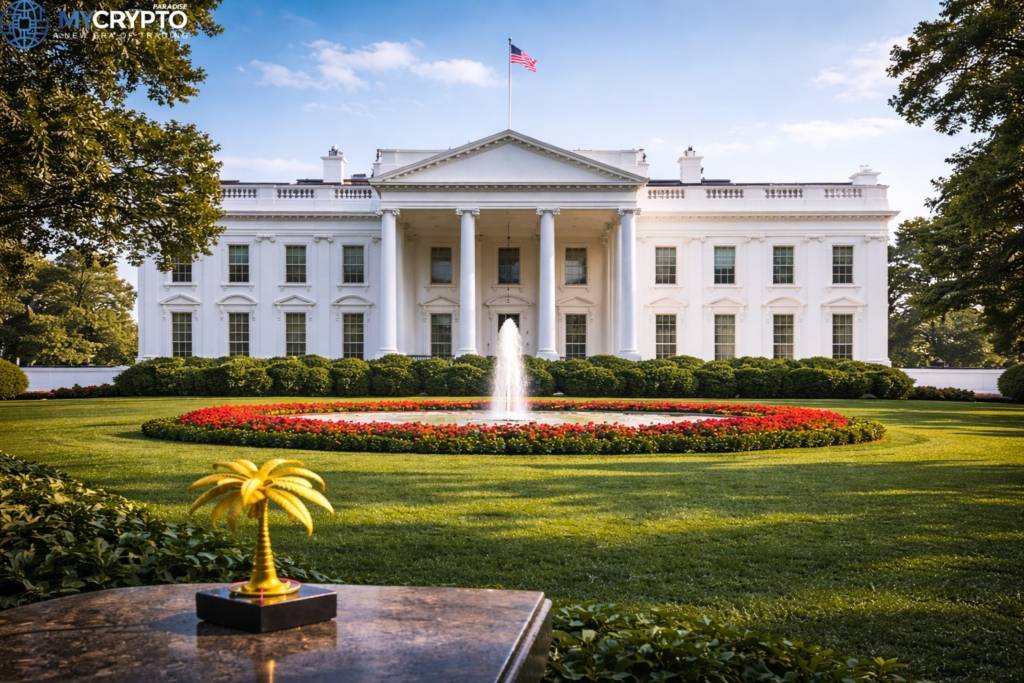
Yello Paradisers! The White House has established a March 1 deadline to resolve the ongoing dispute surrounding stablecoin reward structures and to accelerate progress on the proposed Clarity Act. With Washington setting a hard deadline on stablecoins, is regulatory clarity finally about to arrive?
The dispute centers on whether stablecoin issuers and platforms can offer yield or reward mechanisms without triggering securities or banking classifications. Regulators have raised concerns that reward programs resemble unregistered interest bearing products, while industry participants argue they are essential for competitiveness and adoption.
The Clarity Act aims to create a structured regulatory framework for stablecoins, defining issuance standards, reserve requirements, and permissible reward mechanisms. The proposed legislation seeks to address long standing ambiguity around how stablecoins should be supervised, whether under banking, securities, or a hybrid oversight regime.
Officials have signaled that resolving the rewards question is a prerequisite for broader legislative momentum. The March 1 deadline is intended to force alignment between policymakers and industry stakeholders before moving the bill forward.
Why It Matters
Stablecoins sit at the center of crypto market liquidity.
They are the settlement layer for exchanges, the backbone of DeFi lending, and the primary on ramp between fiat and digital assets. Any change to how rewards are structured directly affects capital flows.
If regulators restrict reward mechanisms, stablecoin growth could slow. If they permit structured yield under clear rules, institutional adoption may accelerate.
Second order effect: clarity could unlock banking partnerships and expand stablecoin usage in traditional finance. Uncertainty, on the other hand, keeps capital cautious.
Market Impact
BTC: Clearer stablecoin rules may strengthen overall market liquidity, indirectly supporting Bitcoin trading volumes and institutional participation.
ETH: Ethereum based DeFi protocols are particularly sensitive to stablecoin regulation, given their reliance on USDC, USDT, and similar assets.
Alts: Yield focused tokens and DeFi governance tokens could see volatility depending on how reward structures are treated under the final framework.
What to Watch Next
Monitor statements from the Treasury and SEC regarding reward classification.
Watch whether the Clarity Act gains bipartisan support before the March 1 deadline.
Track stablecoin issuance growth or contraction leading into the decision date.
Observe how major issuers adjust product structures preemptively in response to anticipated rules.
Insights for Traders
Big players are less concerned about daily headlines and more focused on regulatory certainty. Capital prefers rules it understands, even strict ones, over ambiguity.
If the Clarity Act provides a workable structure, institutions may increase stablecoin based allocations across exchanges and DeFi protocols. That improves liquidity conditions.
If restrictions tighten on rewards, expect short term pressure on yield driven sectors.
In markets, clarity often reduces fear premiums. And fear premiums quietly influence valuations more than most admit.
ParadiseTeam is monitoring the market situation closely, and we are taking these developments into consideration while building our trading tactics inside ParadiseFamilyVIP.
Follow this topic: Stablecoin news














Join the discussion
No comments yet. Members, share how you are reading this.