


- Strategy may sell BTC to pay preferred dividends.
- The signal matters more than the sale size.
- BTC treasury models now face a liquidity test.
When Bitcoin’s loudest accumulator hints at selling, the real question is not size, but signal: crack in conviction, or clever balance sheet theatre to keep the vault calm?
Michael Saylor and Strategy have opened a small but symbolically large door: selling some Bitcoin to pay dividends on preferred stock. The company still says it aims to remain a net buyer of BTC, but the message has changed from “never sell” to “we can sell if useful.”
This matters because MicroStrategy isn’t just any holder, it’s the main corporate Bitcoin treasury play. It now holds about $66.6B in BTC after major buying and a price rise. But its yearly costs are up to around $1.49B, with cash covering about 18 months of payments.
This is not panic. It is plumbing. And in markets, plumbing is where the interesting leaks begin.
Why Saylor’s Bitcoin Dividend Sale Matters for Crypto
The driver is not simply “Strategy might sell Bitcoin.” The driver is the shift in treasury signaling. A company built around Bitcoin accumulation is now showing the market that BTC can also be a funding asset.
This changes how investors view corporate Bitcoin treasuries. MicroStrategy built a model of raising money, buying BTC, and letting its stock act like leveraged exposure. It worked well very Michael Saylor like owning a volcano and calling it heating.
But dividends create a different chain. Preferred stock demands regular cash payments. If cash reserves decline or equity issuance becomes less attractive, Bitcoin becomes a liquidity source.
Driver: dividend obligation. Macro effect: higher funding discipline. Liquidity effect: less automatic BTC accumulation. Crypto effect: the market begins pricing treasury holdings not only as demand, but as potential supply.
Market Impact of Saylor’s Bitcoin Dividend Sale
For BTC, the near term impact is more sentiment than spot supply. Strategy selling a limited amount to “inoculate” the market would likely be designed to prove that a BTC sale does not equal distress.
But Bitcoin trades narratives as much as flows. When the largest corporate holder admits sales are possible, the market starts asking where the rulebook really ends.
If Bitcoin stays strong, this looks like solid treasury management by MicroStrategy. If BTC falls, it creates pressure to lower prices, hurt confidence, shrink the premium, make raising money harder, and bring cash levels into focus.
For ETH, the read through is indirect but important. ETH benefits when crypto liquidity is expanding and risk appetite is broadening. A Strategy driven wobble tightens the mental liquidity premium across crypto.
ETH may not face direct selling, but it can still lose sponsorship if BTC treasury confidence cools.
For alts, the effect is sharper. Alts live further out on the liquidity curve. When the market questions whether BTC balance sheets are becoming funding sources rather than accumulation engines, capital tends to retreat inward.
What to Watch Next After Strategy’s Dividend Signal
The key trigger is not whether Strategy sells a token amount of Bitcoin. The key is whether the sale changes how investors value MSTR’s Bitcoin premium.
Watch the cash reserve runway. Strategy’s reported $2.25 billion reserve covers about 18.1 months of annual interest and dividend costs, but maintaining a larger safety buffer may require fresh equity issuance or other financing.
If capital markets remain friendly, BTC sales stay symbolic. If equity issuance becomes dilutive or preferred demand weakens, BTC sales become more functional.
Also watch preferred stock behavior, especially whether instruments like STRC trade near or above par. When preferred funding works, Strategy can keep buying BTC without leaning on reserves. When it does not, the market starts testing the balance sheet.
Confirmation is selling that doesn’t hurt MicroStrategy’s premium or push down Bitcoin. Invalidation is the market seeing any sale as a break in the “forever holder” story. Silence is what matters most.
Insights for Traders on Saylor’s Bitcoin Dividend Sale
This isn’t just a bearish headline. The first read is that MicroStrategy might sell Bitcoin. The deeper read is that Bitcoin treasury strategies now have clear funding costs, and those costs can affect BTC flows.
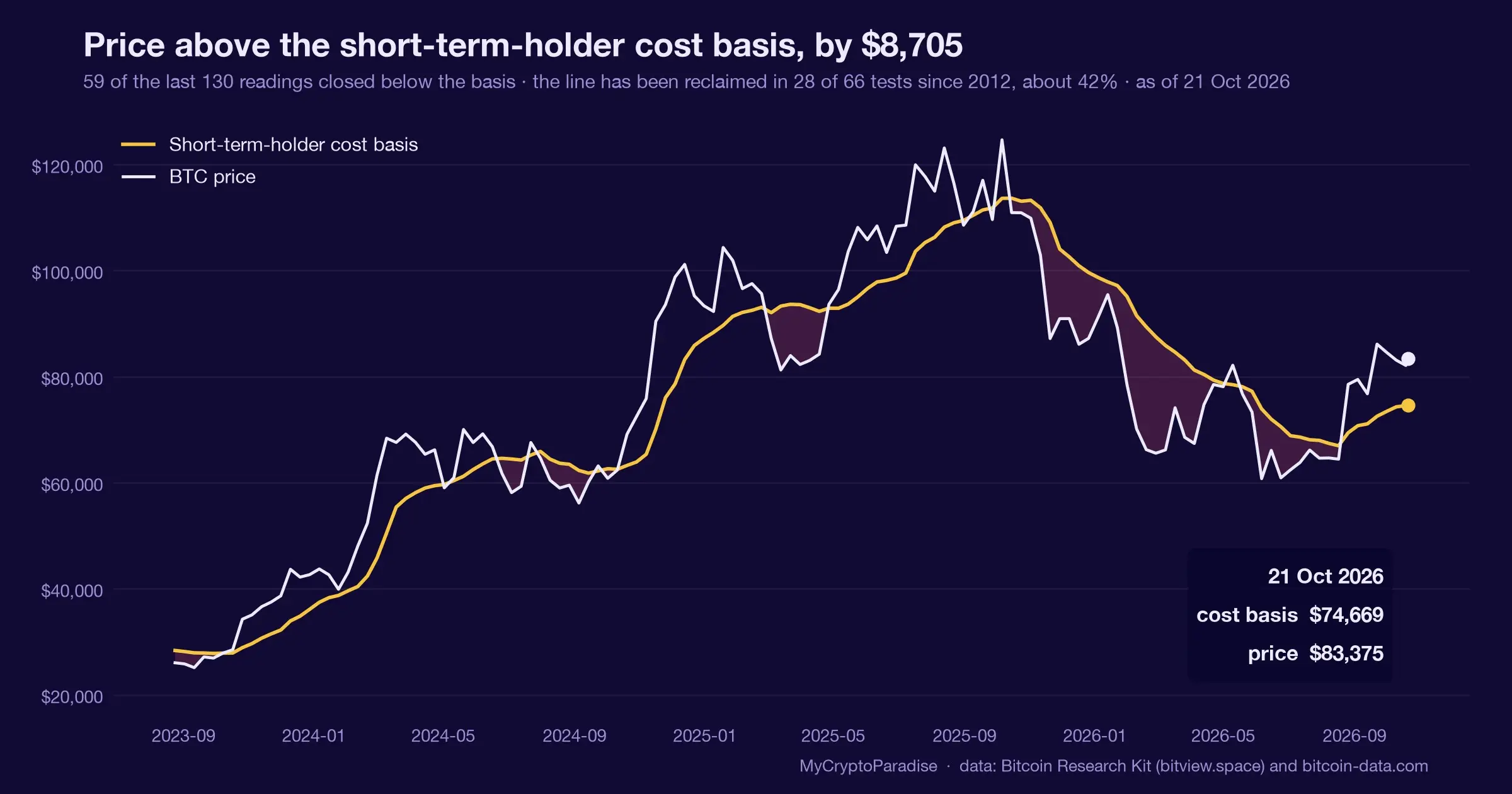
For BTC, the clean setup is to watch whether the price holds firm despite the headline. If BTC absorbs the signal and MSTR stabilizes, it suggests the market accepts occasional treasury sales as normal balance sheet management.
That would reduce the drama premium and may even strengthen the model over time. Markets often fear the monster under the bed until someone turns the light on and finds a dividend schedule.
For Ethereum and alts, it’s about liquidity spread. If Bitcoin dominance rises while MicroStrategy weakens, money is turning defensive. If BTC holds and ETH and alts stabilize, the market is saying the pressure is contained.
The risk is a feedback loop. If investors value MicroStrategy lower because it might sell Bitcoin, it becomes harder for it to raise money. If raising money slows, BTC buying slows too. That weakens one of the key institutional demand stories.
ParadiseTeam is monitoring the market situation closely, and we are taking these developments into consideration while building our trading tactics inside ParadiseFamilyVIP.
Follow this topic: Crypto liquidation news












Join the discussion
No comments yet. Members, share how you are reading this.