

Listen: the breakdown
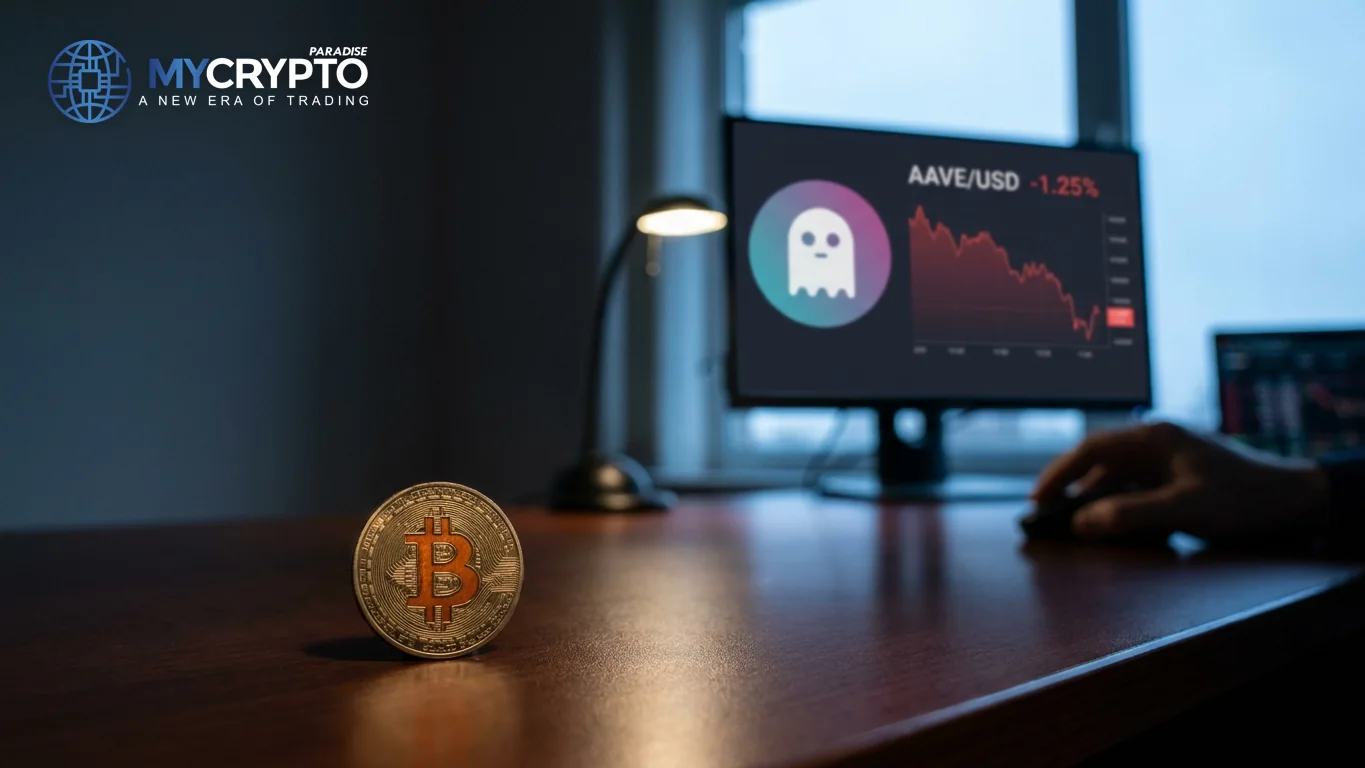
Market briefing: Huma Finance stacked another week of PayFi wins, with Visa, Mastercard, Ripple and Solana Foundation joining the x402 Foundation. Yet SOL and XRP both fell, and BTC sat near 64,655 dollars, down on the day. When good news does not lift price, the tape is telling you something.
- Visa, Mastercard, Ripple and Solana Foundation joined the x402 Foundation to push open payment standards.
- SBI Group and DigiFTTech launched JX, extending PayFi rails into Japan.
- Despite the headlines, SOL fell to 73.48 dollars and XRP to 1.07 dollars over 24 hours.
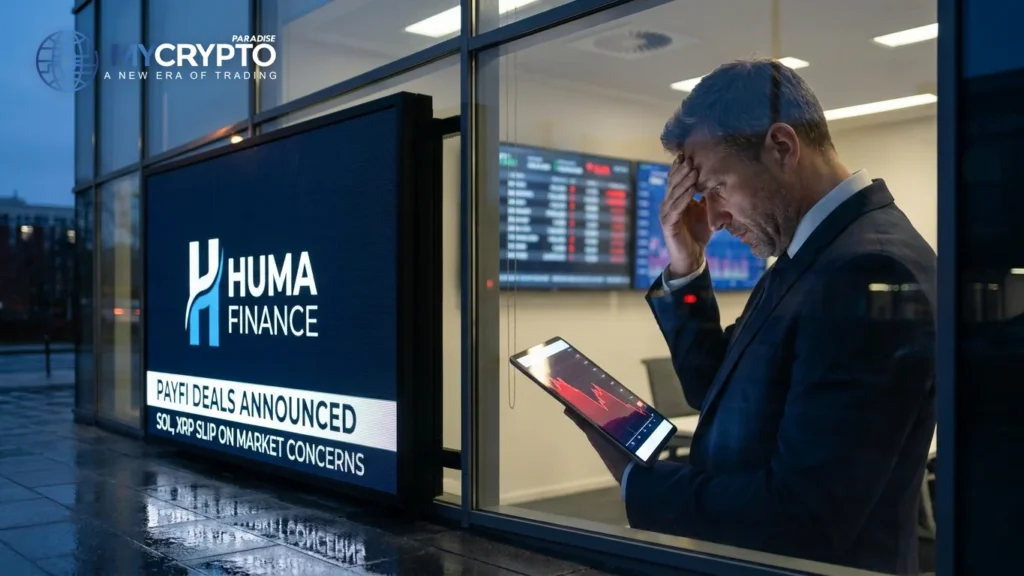
Huma Finance PayFi keeps signing heavyweight partners, yet SOL and XRP are red. Why is genuinely bullish news failing to move price right now?
Huma Finance had another loud week for PayFi. The names attached to it are the kind that usually move markets.
Visa, Mastercard, Ripple and the Solana Foundation all joined the x402 Foundation. The stated goal is open payment standards and agentic platforms, the plumbing that lets software transact on its own.
Separately, SBI Group and DigiFTTech launched JX, pushing these payment rails deeper into Japan. On paper, this is exactly the institutional validation the sector spent years asking for.
And yet the tokens closest to the story went the other way. SOL slipped to 73.48 dollars, down 3.6 percent over 24 hours. XRP eased to 1.07 dollars, down 3.4 percent.
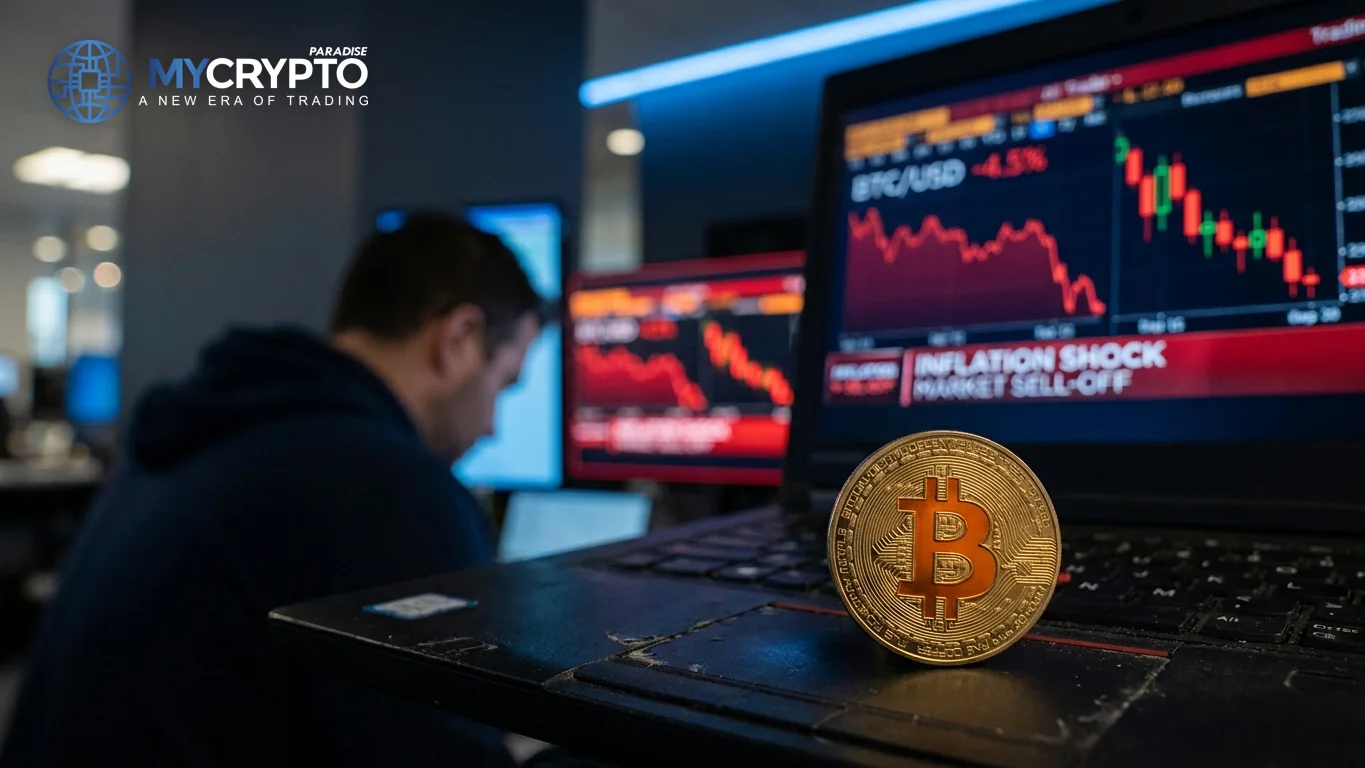
BTC set the mood, trading near 64,655 dollars as of 16:02 UTC, itself down on the day. So the whole complex leaned lower while the press releases leaned higher.
That gap is the real story. A market that shrugs off strong fundamental news is rarely a market ready to run.
There is no single same-day catalyst forcing SOL and XRP down. This is our interpretation, not a confirmed cause. The cleaner read is structural: broad caution is currently sitting heavier than any one partnership. When adoption headlines cannot lift the assets they describe, the demand simply is not there yet.
Why strong adoption news cannot lift price
Payment adoption is a slow-burn fundamental, not a same-day price trigger. That distinction matters more than most headlines admit.
The x402 Foundation expansion and the JX launch build long-term utility for PayFi rails. They do not, by themselves, create urgent buying pressure this week.
Macro sets the ceiling here. Under a cautious regime, liquidity gets defensive, and traders sell strength rather than chase it.
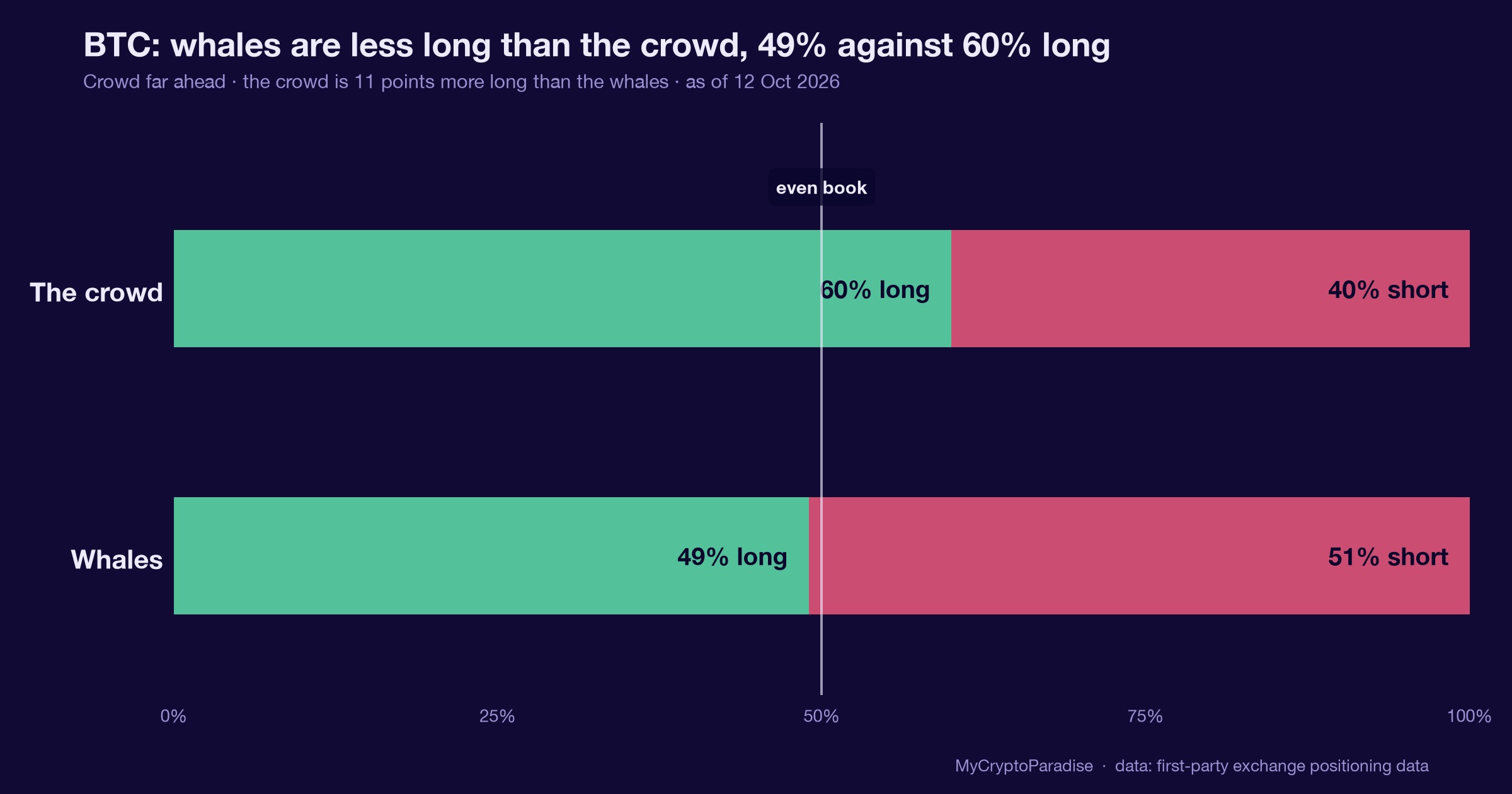
That is what appears to be happening. Whale sell walls are capping upside, and each attempt higher meets supply instead of follow-through.
When supply is stacked overhead, good news becomes an exit for larger holders, not an entry. They distribute into the optimism that a partnership headline reliably generates.
This is the eternal mismatch between a glossy announcement and the order book. The announcement is real. The bids to support it are thinner than the story suggests.
So the transmission chain reads cleanly. Positive news arrives, macro caution overrides it, liquidity drains from alts, and SOL and XRP print red while the fundamentals quietly improve underneath.
For traders, the lesson is old and still ignored every cycle. Fundamentals tell you what an asset is worth eventually. Structure and liquidity tell you where price goes next.
How the caution filters down to alts
The pressure starts at the top. BTC near 64,655 dollars is the anchor, and its softness pulls the rest of the market with it.
When Bitcoin is heavy, capital rarely rotates aggressively into alts. Risk appetite contracts from the majors outward.
ETH sits in that same defensive band, and the effect compounds as you move down the risk curve. Higher-beta names feel every macro wobble more sharply.
SOL and XRP are precisely those higher-beta names. That is why partnership headlines could not shield them from a 3 to 4 percent daily drawdown.
Liquidity is the mechanism. As smart money anticipates lower re-accumulation zones, it steps back from bidding alts and lets price drift toward support.
That withdrawal of bids is not panic. It is patience, which retail consistently misreads as weakness.
The whale sell walls do the rest. They cap rallies, trap late buyers who bought the news, and leave stops clustered just beneath obvious support.
Those trapped longs become fuel. Their stops are the liquidity a larger buyer eventually wants to fill lower, which is exactly why the market feels heavy despite the good headlines.
So the near-term impact is a market that absorbs adoption news without rewarding it, and rotates lower while the story stays intact.
Signals that flip caution back to demand
The first thing to watch is BTC, not the PayFi headlines. Alts will struggle to hold gains until Bitcoin stabilizes.
A reclaim and hold above the whale sell walls would be the first real sign that demand is returning. Until then, every bounce is suspect.
Watch how SOL and XRP behave on the next push higher. If they stall into resistance on fading momentum, that is distribution confirming, not a reversal.
Invalidation of the cautious read looks specific. A strong volume reclaim of overhead supply, with BTC leading, would argue the correction is being bought early.
Confirmation of the cautious read is simpler. Continued lower highs, thin bounces, and price grinding toward deeper support all say smart money is still waiting.
The deeper zones matter most for patient traders. A flush toward the lower re-accumulation area is where absorption would most likely appear.
That is the honest tension in this story. The fundamentals are improving while the structure is still correcting, and those two clocks run at different speeds.
So the practical watch list is short. Bitcoin first, sell-wall behavior second, and whether positive news finally starts producing green candles instead of red ones.
What this print reveals about liquidity now
The ParadiseTeam reads this as a classic case of good news arriving in the wrong tape. The catalyst is real; the environment is not ready to reward it.
Our working bias remains cautious and correction-first. With BTC near 64,655 dollars and capped by whale sell walls, we treat strength as something to be sold into rather than chased.
A push toward the 79,000 dollar area stays possible on BTC, but we frame it as a lower high inside a larger correction, not a breakout. That colors how we view SOL and XRP too.
The zone that matters is lower. We are watching the 55,000 to 44,000 dollar band on BTC as the more probable long-term re-accumulation region, where smart money is likelier to absorb supply.
For SOL near 73.48 dollars and XRP near 1.07 dollars, the takeaway is positioning, not prediction. Retail bought the partnership story; the tape suggests larger players are letting them hold the bag while the market resets.
What would change our mind is simple. A decisive, high-volume reclaim of overhead supply led by Bitcoin would tell us accumulation is starting earlier than expected.
Until that shows up, we read this move through liquidity, not optimism. The PayFi thesis can be right and the price still lower, and both can be true at the same time.
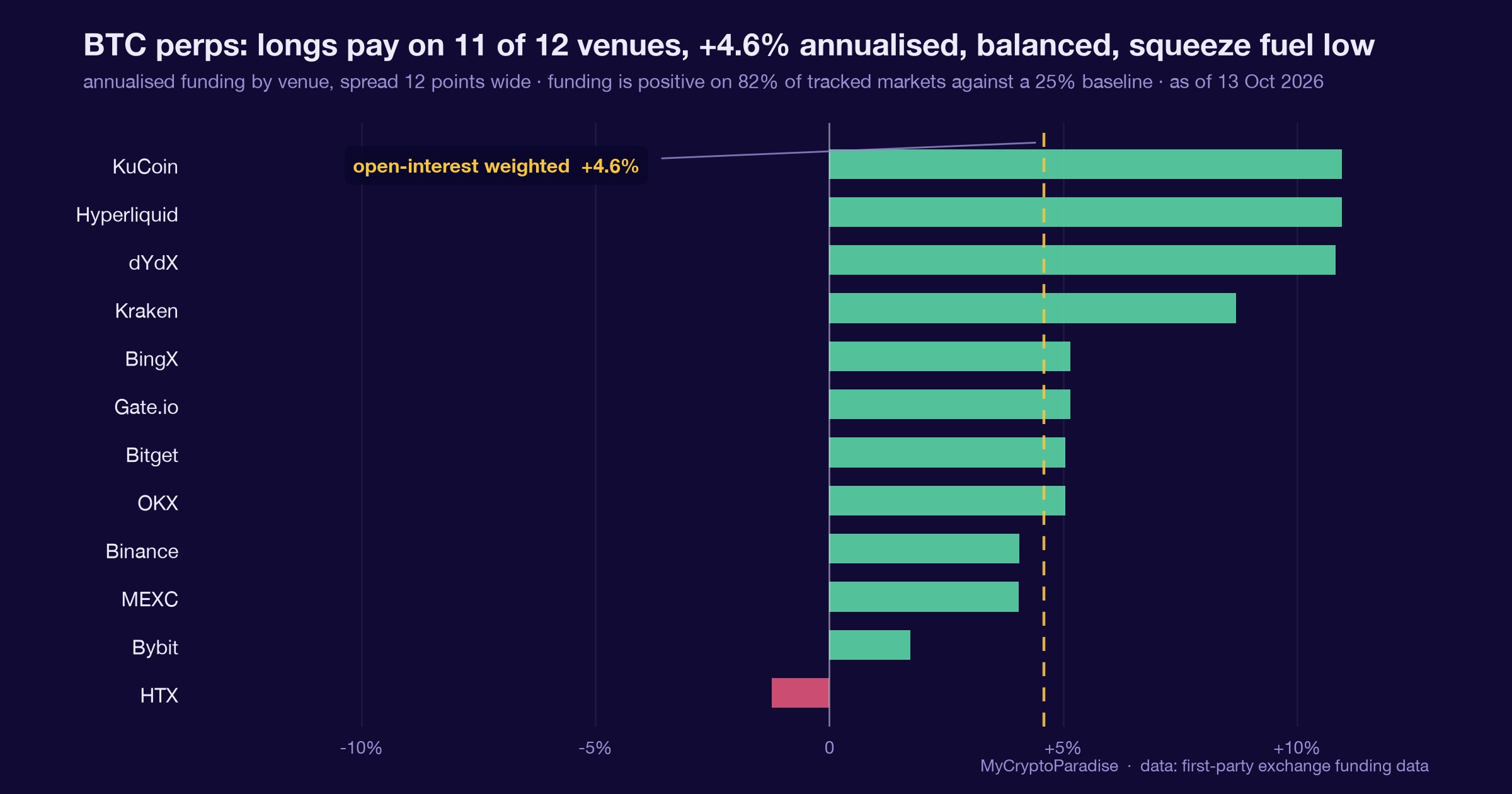
Track it live: our live crypto funding rates and the Crypto Fear and Greed Index both update in real time, so you can watch this shift for yourself.
Related coverage
For exact entries, targets, and stop losses with full risk management, that is what ParadiseFamilyVIP is for. New to reading these moves? Start with our crypto trading strategies guide.
ParadiseTeam is monitoring the market situation closely, and we are taking these developments into consideration while building our trading tactics inside ParadiseFamilyVIP.
Crypto trading involves substantial risk. Prices are volatile and you can lose money. This article is educational and is not financial advice. Past performance does not guarantee future results.
With PayFi news bullish but price red, where do SOL and XRP head next?
This is how the Paradisers are calling it. Tap your call.
No calls on this one yet. Tap yours to be the first.
Free account, no password. Members just sign in.
Follow this topic: XRP news




Join the discussion
No comments yet. Members, share how you are reading this.