


- Shareholders approved over $120 billion in financing capacity.
- Capital B plans to use the funding to expand Bitcoin reserves.
- The decision strengthens the corporate Bitcoin accumulation trend.
Corporate Bitcoin demand is getting a new source of firepower. Capital B Bitcoin reserves could expand dramatically after a $120 billion financing approval. What happens when fresh capital starts competing for limited BTC supply?
Capital B shareholders have approved more than $120 billion in financing capacity, giving the company one of the largest war chests ever assembled for Bitcoin accumulation. The approval marks a significant expansion of the firm’s treasury strategy and highlights the growing willingness of public companies to treat Bitcoin as a long-term reserve asset rather than a speculative investment.
The decision was overwhelmingly supported during the company’s annual shareholder meeting, where investors approved multiple financing initiatives designed to provide flexibility for future capital raises. While not all of the approved financing will necessarily be deployed immediately, the authorization dramatically increases Capital B’s ability to acquire additional Bitcoin over time.
The announcement arrives as corporate Bitcoin adoption continues evolving from an isolated phenomenon into a recognizable market trend. What began with a handful of pioneering firms has gradually expanded into a broader movement where companies view Bitcoin as both a treasury diversification tool and a potential hedge against monetary debasement.
For traders and investors, the significance extends beyond a single balance sheet. The driver is Capital B Bitcoin reserves. The macro effect is growing institutional acceptance of Bitcoin as a treasury asset. The liquidity effect emerges when large pools of corporate capital are positioned to absorb market supply, potentially influencing Bitcoin, Ethereum, and broader crypto market dynamics.
Why Capital B Bitcoin Reserves Matter for Crypto
The Capital B Bitcoin reserves story matters because it directly affects one of the most important forces in any market: demand.
The driver is the approval of more than $120 billion in financing capacity dedicated to expanding Bitcoin holdings. The macro effect is increasing corporate adoption of Bitcoin as a strategic reserve asset. The liquidity effect occurs when potential buyers with significant capital become structurally positioned to acquire supply over extended periods.
Bitcoin markets have evolved considerably over the past decade. Early cycles were driven primarily by retail participation. More recent cycles have increasingly been influenced by institutions, ETFs, sovereign entities, and corporate treasuries. Capital B’s decision reinforces that transition.
The importance lies not only in the amount authorized but also in what the approval signals. Shareholders are effectively endorsing Bitcoin as a core component of the company’s long-term capital allocation strategy. That sends a message to other corporations evaluating similar approaches.
Bitcoin stands as the direct beneficiary because it is the asset targeted for acquisition. Additional corporate demand can reduce available supply, particularly during periods when long-term holders remain reluctant to sell.
Ethereum may benefit indirectly through improved market sentiment and increased institutional confidence in digital assets. Historically, capital entering Bitcoin often improves conditions across the broader ecosystem.
Altcoins could eventually gain from the same liquidity expansion, although Bitcoin typically captures the majority of initial institutional inflows. The path remains familiar: capital enters Bitcoin first, then gradually expands into other segments of the market.
Corporate demand is no longer a theory. It is becoming part of Bitcoin’s market structure.
Market Impact of Capital B Bitcoin Reserves
The immediate market impact of the Capital B Bitcoin reserves approval is largely psychological because the authorization does not represent an immediate $120 billion purchase. However, markets often react to future demand as much as present demand.
The first impact is confidence. Shareholder approval demonstrates that investors support a strategy centered on continued Bitcoin accumulation. That endorsement strengthens the perception that Bitcoin is becoming an accepted treasury asset among sophisticated market participants.
The second impact is supply dynamics. Bitcoin remains a finite asset with a fixed issuance schedule. When large entities position themselves to acquire significant quantities over time, traders naturally begin evaluating how future supply-demand balances may change.
The liquidity implications are particularly important. Bitcoin’s strongest rallies often occur when new sources of demand emerge while existing holders remain reluctant to sell. Corporate treasury programs can create exactly that type of environment because they typically focus on accumulation rather than short-term trading.
Ethereum could benefit through broader institutional engagement with digital assets. As confidence grows around Bitcoin treasury strategies, some investors may become more comfortable exploring other parts of the crypto ecosystem.
Altcoins often experience secondary effects when Bitcoin attracts fresh capital. Improved sentiment and stronger liquidity conditions can gradually expand participation deeper into the market.
Second-order effects may prove equally important. Capital B’s move could encourage additional public companies to consider similar strategies, creating a multiplier effect that extends beyond one balance sheet.
What to Watch Next After the Shareholder Vote
The most important question now is how quickly Capital B deploys its newly approved financing capacity.
Shareholder authorization creates flexibility, but actual capital raises and Bitcoin purchases determine market impact. Traders should monitor future financing announcements, issuance programs, and treasury updates for clues regarding the pace of accumulation.
Another critical factor is whether other corporations follow suit. Corporate adoption often spreads through observation. When one company successfully executes a strategy, competitors and peers frequently evaluate similar opportunities.
Bitcoin supply metrics deserve attention as well. If corporate buyers continue accumulating while ETF demand remains strong and long-term holders reduce selling activity, supply conditions could tighten further.
The broader macro environment remains important. Corporate treasury strategies tend to flourish when executives feel confident about long-term economic conditions and asset appreciation potential. Changes in interest rates, liquidity conditions, and market sentiment could influence future activity.
Confirmation of the bullish thesis would involve ongoing Bitcoin purchases, expanding corporate participation, and evidence that demand continues absorbing available supply. Invalidation would emerge if financing remains largely unused or if broader market conditions reduce corporate appetite for accumulation. The approval matters. The execution matters more.
Insights for Traders on Capital B Bitcoin Reserves
For traders, the Capital B Bitcoin reserves story should be viewed through the lens of liquidity and market structure.
The driver is a massive expansion in potential Bitcoin purchasing power. The macro effect is deeper institutional adoption. The liquidity effect comes from creating another significant source of long-term demand capable of absorbing market supply.
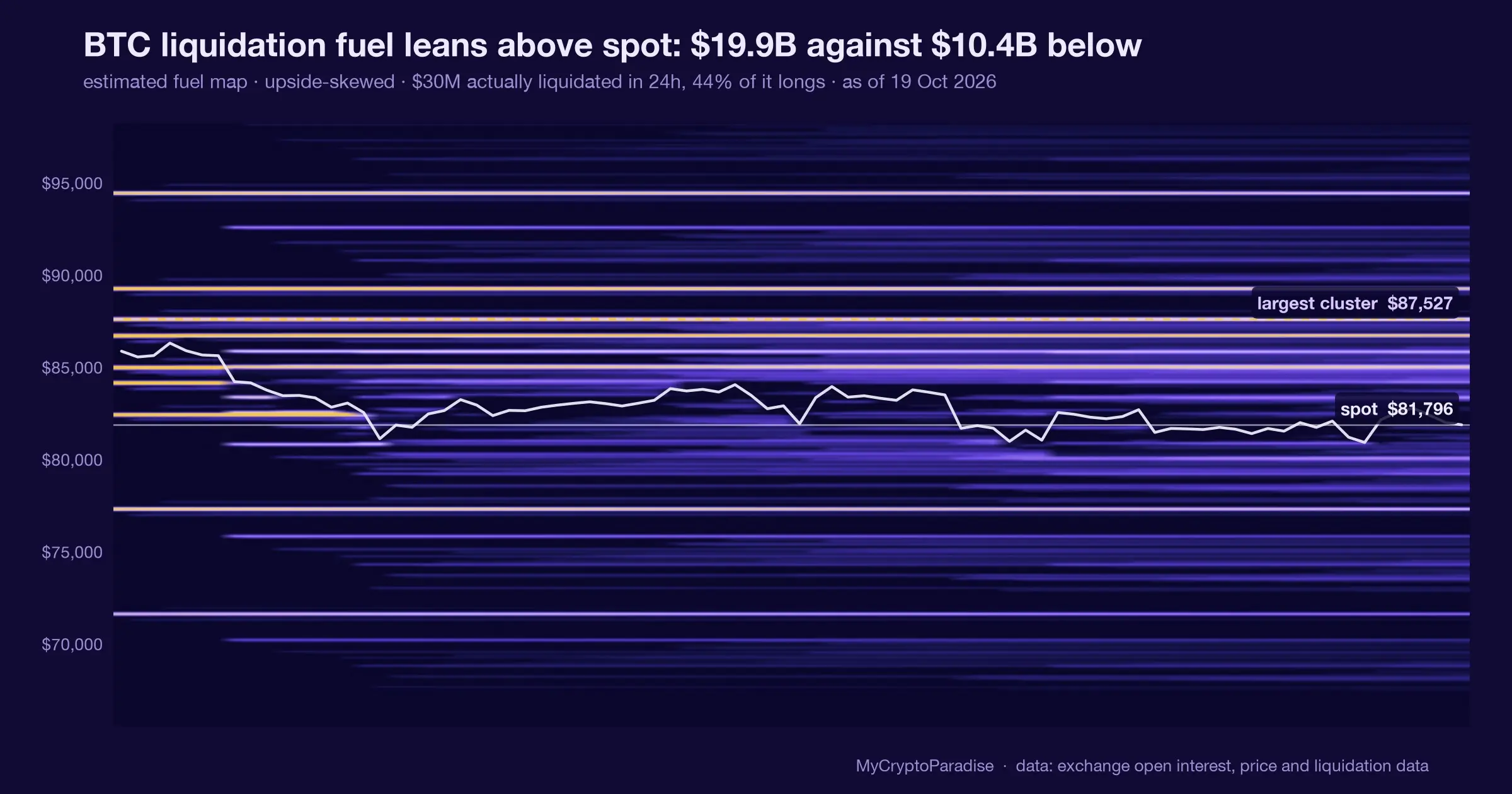
Bitcoin remains the primary asset to monitor because corporate treasury programs directly target BTC. Recent market behavior has repeatedly shown that liquidity dynamics often outweigh headlines. Large liquidation clusters, whale accumulation, and institutional buying continue shaping price action more than isolated news events.
This development fits that broader framework. Corporate treasury demand represents another liquidity source entering the ecosystem. If multiple entities pursue similar strategies, available supply could become increasingly constrained during periods of rising demand.
Ethereum could benefit indirectly as institutional confidence expands. Altcoins may gain later if improving liquidity conditions encourage broader risk-taking across the market.
Professional traders should focus on confirmation rather than assumptions. Watch for actual Bitcoin purchases, capital deployment, and evidence that demand is materially affecting supply dynamics. Markets reward execution, not intentions.
Confirmation of the bullish case would involve sustained accumulation, tightening supply conditions, and continued institutional participation. Invalidation would emerge if financing authorizations remain largely theoretical rather than operational.
The most powerful buyer is often the one who has not entered the market yet but now has permission to do so.
ParadiseTeam is monitoring the market situation closely, and we are taking these developments into consideration while building our trading tactics inside ParadiseFamilyVIP.
Will Capital B's $120B allocation push Bitcoin to a new all-time high this quarter?
This is how the Paradisers are calling it. Tap your call.
No calls on this one yet. Tap yours to be the first.
Free account, no password. Members just sign in.











Join the discussion
No comments yet. Members, share how you are reading this.