• Bitcoin fell below $73,000 as geopolitical risk hit liquidity.
• Nearly $1 billion in leveraged crypto positions was wiped out.
• Oil strength and risk aversion now drive the next crypto move.
Geopolitics just met leverage, and Bitcoin blinked first. U.S. strikes on Iran are forcing traders to reprice oil, inflation, rates, and liquidity in one move. Is crypto ready?
Bitcoin fell below $73,000 after U.S. airstrikes targeted an Iranian military site near the Strait of Hormuz, dragging risk assets down and reversing the calmer vibe traders had started to feel. CoinDesk noted BTC traded around $72,978 during Asian hours, down 3.4 percent over 24 hours, while ETH dropped 4.2 percent and slipped below the $2,000 mark. This wasn’t just some price dip; it was a positioning accident dressed up as a macro event.
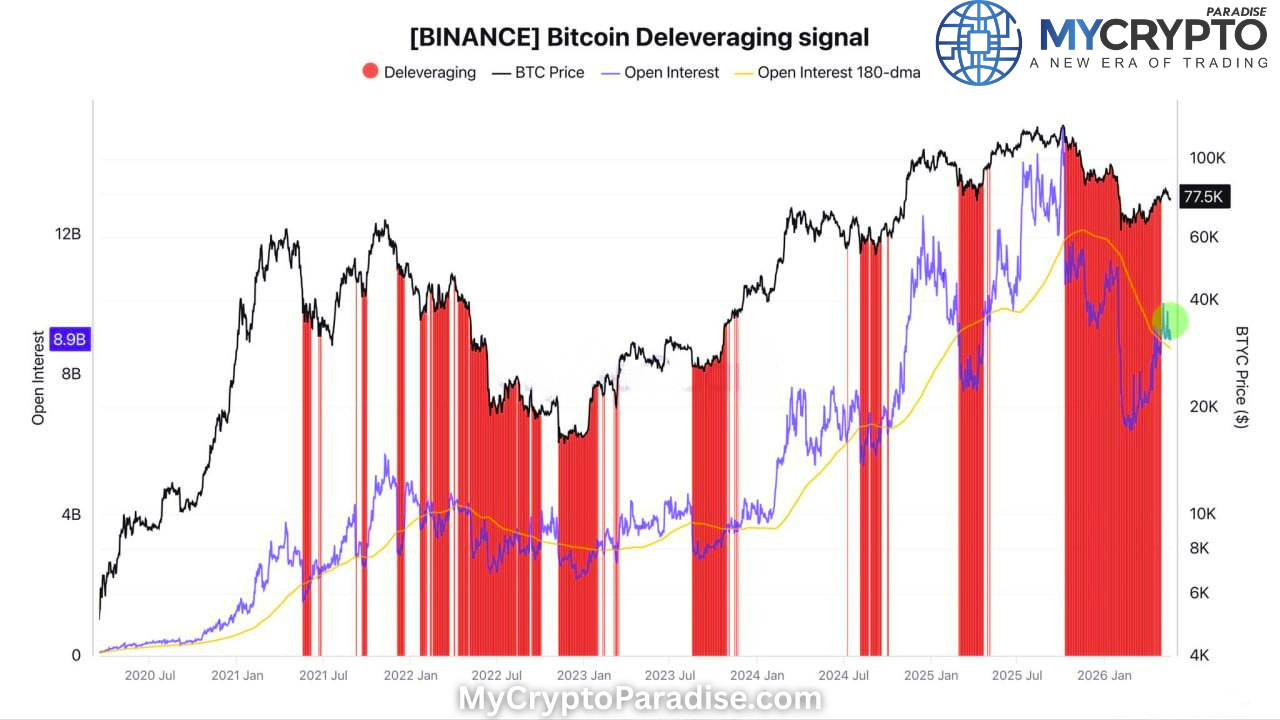
The selloff triggered $958.8 million in crypto liquidations within 24 hours across 167,706 traders, with long positions accounting for $897 million of that wipeout. Bitcoin topped the list with $386 million in liquidations, while ether followed at $246 million. In simple terms, the market had started to lean into recovery, then geopolitics kicked the chair away.
Why U.S. Strikes on Iran Matter for Crypto
U.S. strikes on Iran matter because it’s not just about war risk. It involves the Strait of Hormuz, oil pricing, inflation expectations, rate outlooks, and liquidity.
When tensions flare near a major energy chokepoint, oil prices typically get a boost. Rising oil can stoke inflation fears. Those fears can shake confidence in central banks loosening financial conditions quickly. Tighter liquidity generally weighs down assets tied to risk appetite, and crypto hangs pretty close to the front row of that situation.
That’s why Bitcoin dipped below a level it previously defended during earlier Iran headlines. The strike shifted the market narrative from “contained geopolitical noise” to “potential energy shock.” That difference is key. Crypto doesn’t require oil to trade on chain but does need liquidity, leverage, and confidence. All three were impacted at the same time.
Market Impact of U.S. Strikes on Iran
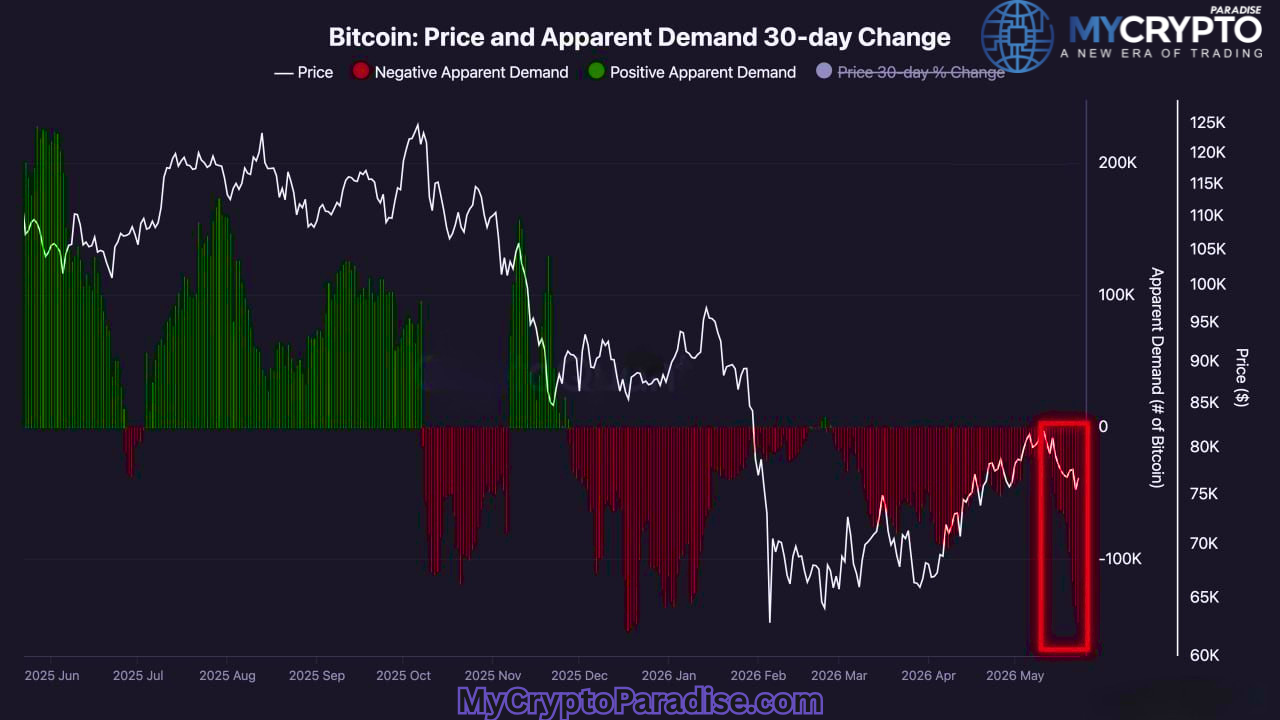
For BTC, the notable damage is the break below $73,000 after weeks of sitting above $74,000 despite a decrease in ETF demand. This signals to traders that the floor wasn’t just technical; it was also rooted in confidence that geopolitical risks would ease. Once U.S. strikes on Iran put that assumption to the test, Bitcoin turned into a liquidity valve.
For ETH, losing $2,000 is more concerning, given that ether already had a weaker price framework. CoinDesk pointed out ETH was down 7.7 percent over the last week. As liquidity tightens, ETH often acts like a higher beta version of macro stress, particularly when futures positioning is heavy and spot demand isn’t strong enough to handle forced selling.
The outlook for altcoins is tougher. SOL dropped 3.5 percent, XRP fell 3.6 percent, and DOGE lost 3.2 percent. Alts require surplus liquidity, not just stable headlines. If oil prices continue to climb and equities remain shaky, capital typically flows to higher quality crypto assets first. That means BTC grabs attention ahead of ETH, leaving alts scrambling for liquidity like a small theater hoping for royal patronage.
What to Watch Next After the U.S. Airstrikes
The first trigger? Oil. If crude prices keep climbing due to greater threats around the Strait of Hormuz, inflation risk might link geopolitics to crypto weakness. Higher oil doesn’t automatically crash Bitcoin, yet it can lessen the chances of easy liquidity, and that’s where crypto really starts to take notice.
The second trigger centers on whether BTC can reclaim $73,000 and then $74,000 with strong spot volume. A quick reclaim would hint that the liquidation flush cleared out leverage instead of altering the trend. Not reclaiming those levels would leave the market exposed to another wave of de-risked positioning.
The third trigger involves rebuilding leverage. A 93 percent long skew in the liquidation data indicates a crowded market on one side. If open interest rises while the price fails to recover, traders might be jumping back into risk too soon.
Insights for Traders on U.S. Strikes on Iran
Here’s the clean read. Confirmation of renewed strength occurs if oil stabilizes, equities stop sliding, and BTC reclaims the broken range while ETH rises back above $2,000. That would indicate that U.S. strikes on Iran caused a leverage flush, not a complete shift in liquidity regime.
Invalidation happens if oil keeps rising, BTC stays under $73,000, and ETH can’t regain $2,000. In that scenario, alts remain at risk since second-order effects begin to kick in. Funding gets reset, market makers pull back on risk, ETF demand becomes more important, and traders stop favoring narratives relying on easy liquidity.
The tactical edge? Watch the driver, not the noise. The headline isn’t just “Bitcoin fell.” It’s about U.S. strikes on Iran spurring an oil-linked inflation scare, tightening liquidity expectations, breaking crowded longs, and pushing crypto to reprice risk. That chain outlines the trade map.
ParadiseTeam is monitoring the market situation closely, and we are taking these developments into consideration while building our trading tactics inside ParadiseFamilyVIP