


- Whale reportedly dumps $1.29B worth of BlackRock IBIT shares
- IBIT leads daily Bitcoin ETF outflows with $192M withdrawn
- Large block trade adds pressure to already fragile BTC sentiment
A single trade can sometimes change the mood faster than a week of headlines. Is the massive IBIT exit another sign institutional Bitcoin demand is losing momentum?
Fresh reporting on Wednesday linked a $1.29 billion dark-pool block sale in BlackRock’s IBIT to the latest wave of weakness across U.S. spot Bitcoin ETFs. The trade reportedly involved around 29.2 million IBIT shares, making it one of the largest ETF-related Bitcoin exits seen in recent months.
At the same time, flow data showed IBIT also leading daily spot Bitcoin ETF redemptions with roughly $192 million in outflows inside a broader $333 million pullback across the ETF complex.
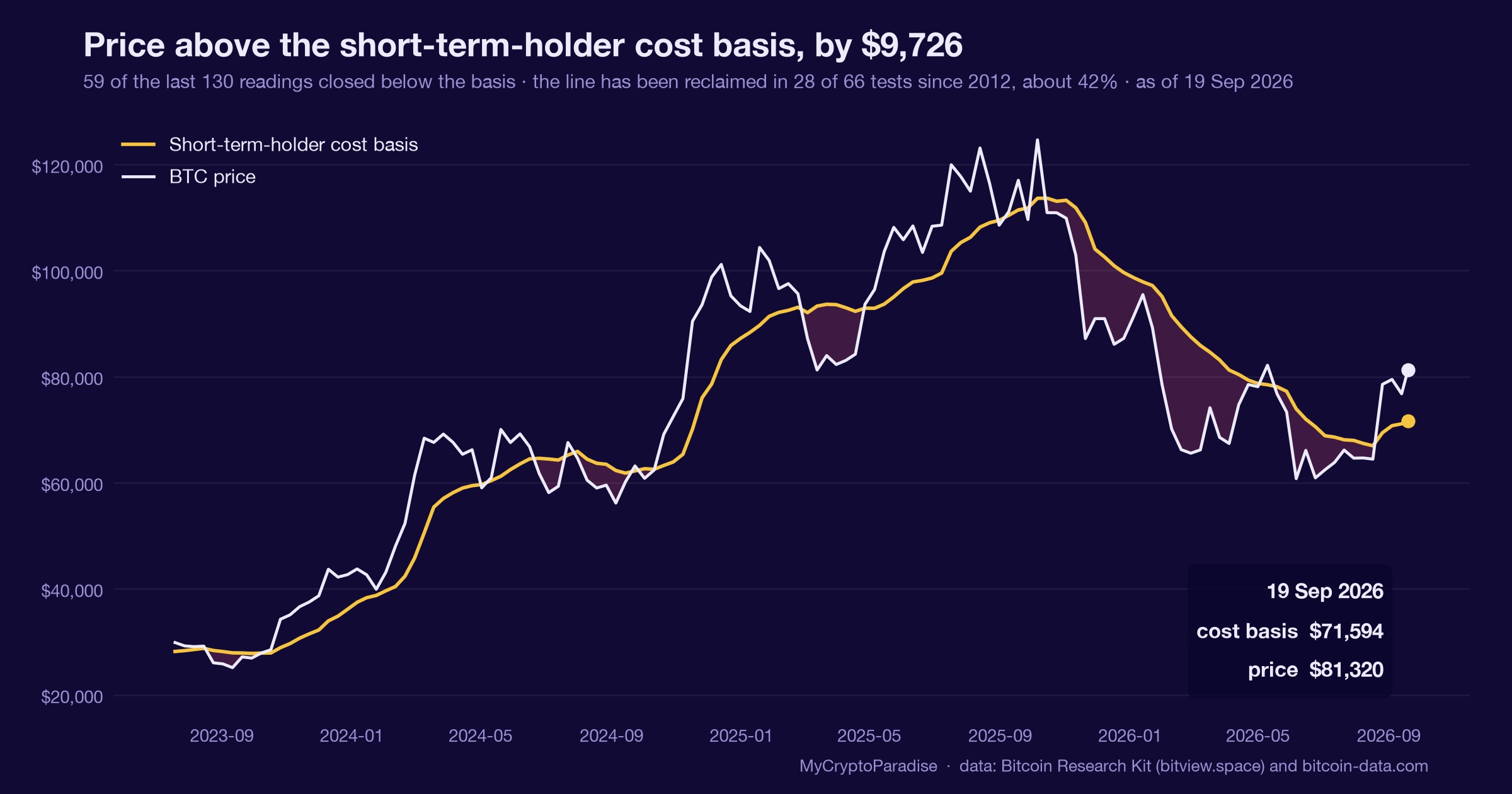
Bitcoin itself remained relatively stable compared to the scale of the headlines, trading near $74,700 during the reporting cycle and down roughly 1.3% over 24 hours. Ethereum hovered near $2,050 with similarly modest losses.
Markets become uncomfortable when large players stop buying long before they become terrified by outright selling. Even casinos get nervous when the whales quietly head toward the exit.
The IBIT move renewed debate about institutional demand. Bitcoin ETFs were meant to bring traditional capital into crypto, so large redemptions make traders question how reliable that demand is during weak markets.
Why IBIT Outflows Matter for Crypto
IBIT outflows matter because spot Bitcoin ETFs now sit near the center of institutional crypto liquidity flows.
The key issue is demand. ETF inflows help BTC liquidity and confidence, while steady outflows can hurt sentiment and reduce risk appetite.
The liquidity transmission mechanism is relatively direct. Spot ETF issuers absorb or release Bitcoin depending on investor flows. Large redemptions reduce buy-side pressure and can contribute to softer spot-market support during fragile trading conditions.
For Bitcoin, the impact is immediate because ETF demand has become one of the market’s most closely watched institutional indicators.
Ethereum can also feel secondary pressure if broader crypto sentiment weakens alongside falling Bitcoin ETF demand.
Altcoins typically react even more aggressively because institutional risk appetite tends to narrow when Bitcoin demand indicators deteriorate.
Market Impact of the IBIT Whale Exit
The immediate impact is psychological as much as structural.
A $1.29 billion IBIT block sale reinforces the idea that some large investors may be reducing exposure rather than accumulating weakness at current price levels. That shifts sentiment even without a dramatic BTC collapse.
Importantly, Bitcoin held relatively stable despite the outflows. That resilience may suggest broader market liquidity remains stronger than the headlines alone imply.
Still, ETF flow direction matters heavily in the current cycle because traders increasingly view spot ETF demand as a proxy for institutional conviction.
There is also a second-order positioning effect. Sustained ETF outflows can pressure momentum traders, reduce bullish leverage appetite, and encourage more defensive positioning across crypto markets.
The broader ETF complex losing $333 million in a single day adds to concerns that institutional participation may be slowing while macro conditions remain uncertain.
What to Watch Next After the IBIT Sale
The next major focus is whether ETF outflows continue accelerating or begin stabilizing.
Traders should monitor daily spot Bitcoin ETF flow data, BlackRock IBIT activity, ETF trading volumes, and whether other large block trades emerge across the ETF ecosystem.
BTC holding support matters. If prices stay stable despite outflows, traders may see the selling as repositioning rather than a deeper demand problem.
Macro liquidity conditions also remain critical. Weaker risk appetite across equities and rates markets can amplify crypto ETF outflow pressure.
Institutional commentary matters too. Large allocators reducing exposure temporarily due to macro caution is very different from institutions structurally abandoning Bitcoin exposure.
Insights for Traders on the IBIT Outflows
The IBIT whale exit is primarily a sentiment and liquidity signal rather than a full-scale panic event.
For Bitcoin traders, ETF flows remain one of the clearest indicators of institutional positioning strength. Continued outflows could limit upside momentum even without triggering major downside breakdowns.
Ethereum traders should watch whether weaker Bitcoin ETF demand spills into broader crypto allocation behavior.
Altcoin traders may face a tougher environment if institutional caution reduces overall risk appetite and liquidity rotation into speculative sectors.
Bullish confirmation means ETF flows stabilize, BTC holds support, and institutional buying returns. The bearish case is faster redemptions and weaker spot demand.
Bitcoin ETFs were designed to make crypto feel more like traditional finance. The irony is that traders are now watching fund flows with the same obsession once reserved for central-bank meetings.
ParadiseTeam is monitoring the market situation closely, and we are taking these developments into consideration while building our trading tactics inside ParadiseFamilyVIP.
Follow this topic: Bitcoin ETF news












Join the discussion
No comments yet. Members, share how you are reading this.