


- Stablecoin market reaches new $322.6 billion all time high
- USDT and USDC continue dominating crypto liquidity flows
- Record growth revives concerns over stablecoin run risk
Crypto liquidity keeps expanding even while markets pull back. But as stablecoins cross $322 billion, traders are asking an uncomfortable question: what happens if everyone runs for the exit at once?
The stablecoin market reached a fresh record of roughly $322.6 billion in total supply on Wednesday, according to DefiLlama data and same day reporting from CryptoSlate. Stablecoin liquidity is still dominated by USDT and USDC. Together, they power most trading, DeFi activity, and settlement flows.
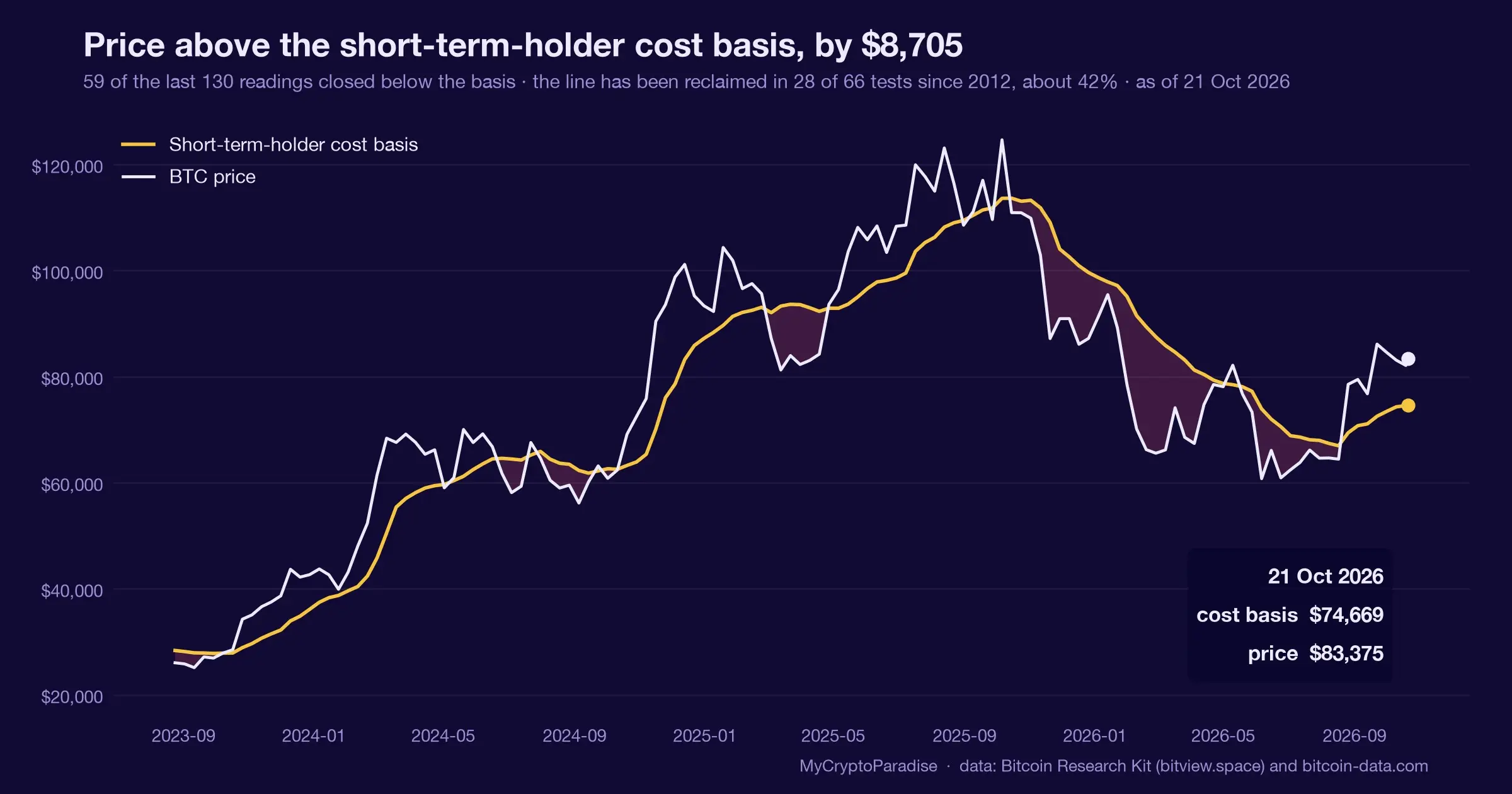
The milestone arrives during a softer market backdrop. Bitcoin traded near $75,000 during the reporting cycle while Ethereum hovered around $2,060, both roughly 2% lower over 24 hours.
That contrast matters. Stablecoin supply is still growing despite weaker spot prices, suggesting crypto’s underlying transactional infrastructure continues expanding even while speculative momentum cools.
This brings back a financial stability debate. Banks have central bank support during crises, but stablecoin issuers do not. Confidence matters most when markets come under pressure.
Why Stablecoin Growth Matters for Crypto
Stablecoin growth matters because stablecoins now function as the operational liquidity layer of the entire crypto market.
The macro effect revolves around capital mobility. Larger stablecoin supply increases transactional depth, supports trading activity, strengthens DeFi collateral systems, and improves liquidity efficiency across digital assets.
This affects liquidity directly. Stablecoins power trading, lending, and settlement across crypto. More stablecoin supply usually means more capital available in the market.
For Bitcoin, rising stablecoin liquidity is often constructive because BTC trading activity depends heavily on dollar linked settlement flows.
Ethereum benefits even more directly because much of the stablecoin ecosystem operates through ETH based infrastructure and DeFi applications.
Altcoins also depend heavily on stablecoin liquidity conditions, particularly in higher volatility trading environments where capital rotates rapidly between risk assets and stable value instruments.
Market Impact of the $322B Stablecoin Milestone
The immediate market impact is structurally bullish for crypto liquidity, even if spot prices remain under pressure.
Record stablecoin supply suggests users, traders, and institutions continue allocating capital into crypto rails rather than fully exiting the ecosystem during market weakness.
That said, concentration risk remains a major concern. USDT and USDC dominate the sector so heavily that disruptions affecting either issuer could ripple quickly across exchanges, derivatives markets, and DeFi liquidity pools.
This is why bank run concerns matter. Stablecoins rely on redemption confidence, but most issuers do not have central bank support during crises.
The second order effect involves regulation. As stablecoin supply grows larger and systemically more important, policymakers are likely to increase scrutiny around reserves, redemption mechanics, and operational resilience.
What to Watch Next After Stablecoin Supply Hits Record High
Traders should monitor exchange stablecoin balances, USDT and USDC dominance trends, DeFi collateral activity, and whether new issuance continues accelerating across major chains.
Regulatory developments also remain critical. Stablecoin legislation, reserve requirements, and banking partnerships could materially influence future sector growth.
Market concentration is another key issue. If liquidity remains heavily dependent on only a few issuers, systemic confidence risks may stay elevated during future stress events.
Bitcoin and Ethereum price behavior matters too. Stablecoin growth tends to become more market supportive when broader risk appetite stabilizes and capital begins rotating back into spot crypto exposure.
Insights for Traders on the Stablecoin Surge
For Bitcoin traders, expanding stablecoin supply supports the broader thesis that crypto liquidity infrastructure continues deepening even during corrective phases.
Ethereum traders may focus more closely on the role stablecoins play inside DeFi, settlement, and on chain transactional demand.
Altcoin traders should recognize that stablecoin conditions often determine how aggressively capital can rotate into higher risk sectors during market recoveries.
Healthy liquidity means stablecoin supply keeps growing alongside stronger trading and demand. The bearish case is redemption problems, reserve doubts, or regulatory disruption.
Crypto markets once treated stablecoins as a side utility. They now resemble the bloodstream of the entire ecosystem, which explains why traders watch every pulse so carefully.
ParadiseTeam is monitoring the market situation closely, and we are taking these developments into consideration while building our trading tactics inside ParadiseFamilyVIP.
Follow this topic: Stablecoin news












Join the discussion
No comments yet. Members, share how you are reading this.