

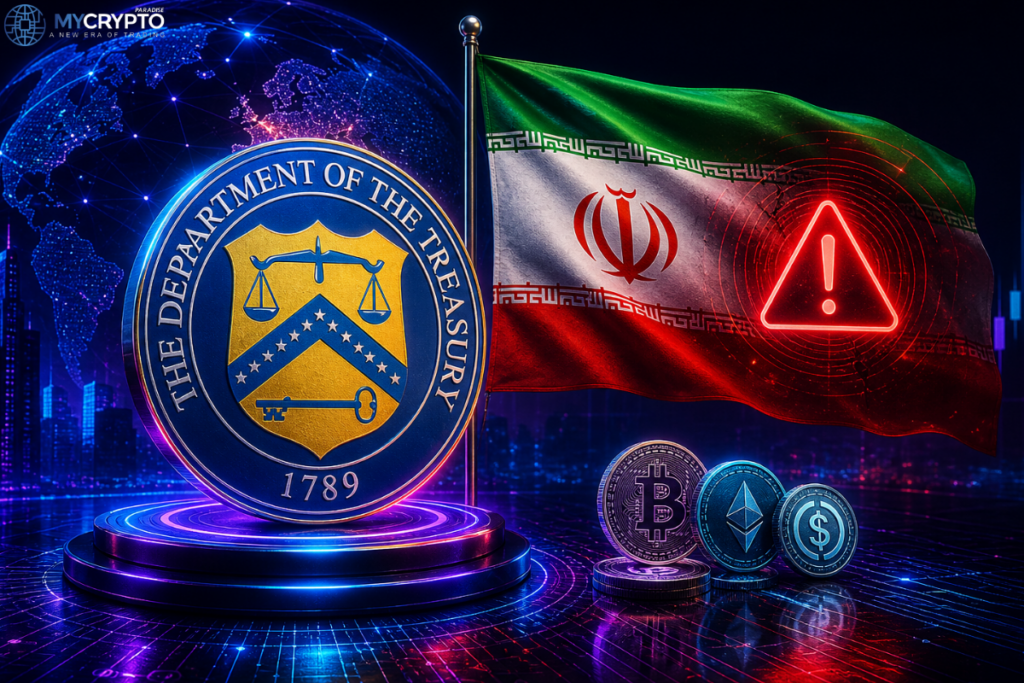
- OFAC flags crypto and stablecoin payments as sanctions risk
- Strait of Hormuz payments now under strict compliance scrutiny
- Digital assets pulled into live geopolitical chokepoint
If crypto payments enter a geopolitical chokepoint like the Strait of Hormuz, does that tighten liquidity by raising compliance risk across markets?
The U.S. Treasury’s Office of Foreign Assets Control has put out a serious warning for the maritime sector. They’re saying that any payments to Iran for safe passage through the Strait of Hormuz could lead to sanctions issues. This warning is super clear and covers a wide range of forms. We’re talking about not just cash, but digital assets, stablecoins, informal swaps, and even goods transfers linked to associated entities.
This is no longer speculation about crypto being used in global trade friction. It is now directly named within a sanctions framework tied to one of the world’s most critical oil shipping routes.
Why Sanctions Risk on Crypto Payments Matters for Crypto
This isn’t just a geopolitical headline; it’s a compliance shock. When crypto gets called out in sanctions enforcement, the macro effect is rising regulatory risk tied to real-world transactions That means institutions will need to rethink their exposure.
That rethinking leads to a lesser willingness to move capital through specific channels. When participation drops, liquidity slows down. Increased compliance risk restricts usage, and that limited usage tightens liquidity, which, in turn, puts pressure on crypto markets.
Market Impact of Sanctions Risk on Crypto Payments
BTC might show mixed responses. It can serve as a hedge during geopolitical tensions, but more regulatory scrutiny might cap any significant gains.
ETH is likely to feel indirect effects, as compliance worries impact overall on-chain activity involving payments and DeFi. Stablecoins will become the center of attention. If their use in sensitive regions is limited, liquidity across exchanges and cross-border transactions could get tighter.
What to Watch Next After Treasury Warning
Keep an eye on enforcement actions. If OFAC starts targeting entities linked to crypto toll payments, the risk shifts from just a warning to a real threat. That would speed up compliance measures.
Also, watch stablecoin flows and offshore liquidity sources. Any disruptions there could indicate a significant impact on market structures. Plus, if geopolitical tensions rise around Hormuz, it will amplify the effects.
Insights for Traders on Sanctions Risk
Sanctions risk changes how and where capital can move. . Traders should pay attention to stablecoin liquidity and exchange activities related to offshore markets.
Confirmation comes if enforcement actions emerge and liquidity tightens. On the flip side, if the warning turns out to be mostly precautionary, with no significant follow-up, that would invalidate the current concerns. Right now, crypto has been pulled into a real-world bottleneck. And when global trade tightens, liquidity rarely escapes untouched.
ParadiseTeam is monitoring the market situation closely, and we are taking these developments into consideration while building our trading tactics inside ParadiseFamilyVIP


Join the discussion
No comments yet. Members, share how you are reading this.