

Key Highlights
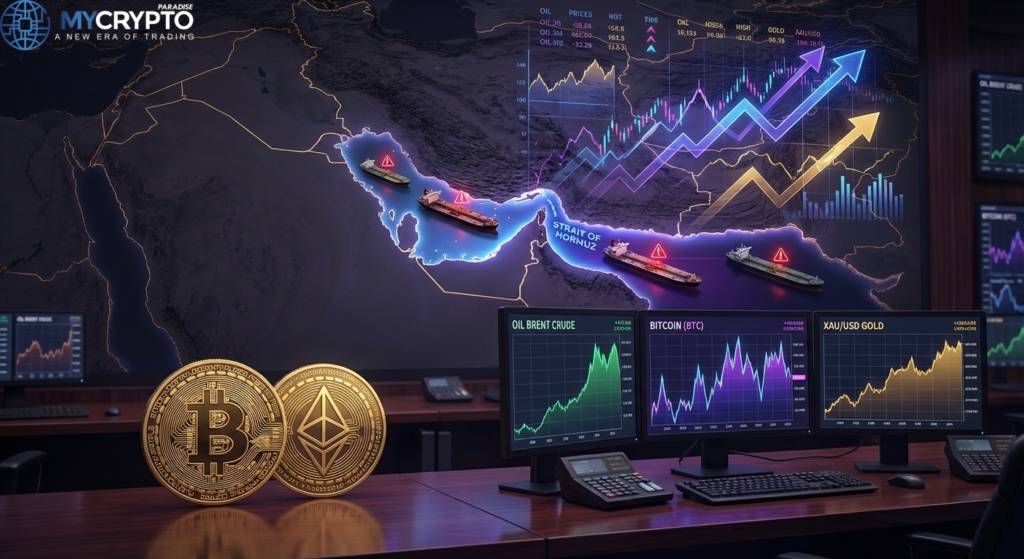
• Oil surged above $116 after the Iran war intensified and most oil traffic through the Strait of Hormuz was blocked, tightening one of the world’s most important energy chokepoints.
• Bitcoin kept testing the $66,000 area as ETF outflows, extreme fear, and macro risk collided with steady institutional accumulation.
Yello Paradisers! Oil is surging, Bitcoin is hanging around key support, and macro stress is back in charge. Is this just another panic phase, or the kind of pressure that resets positioning fast?
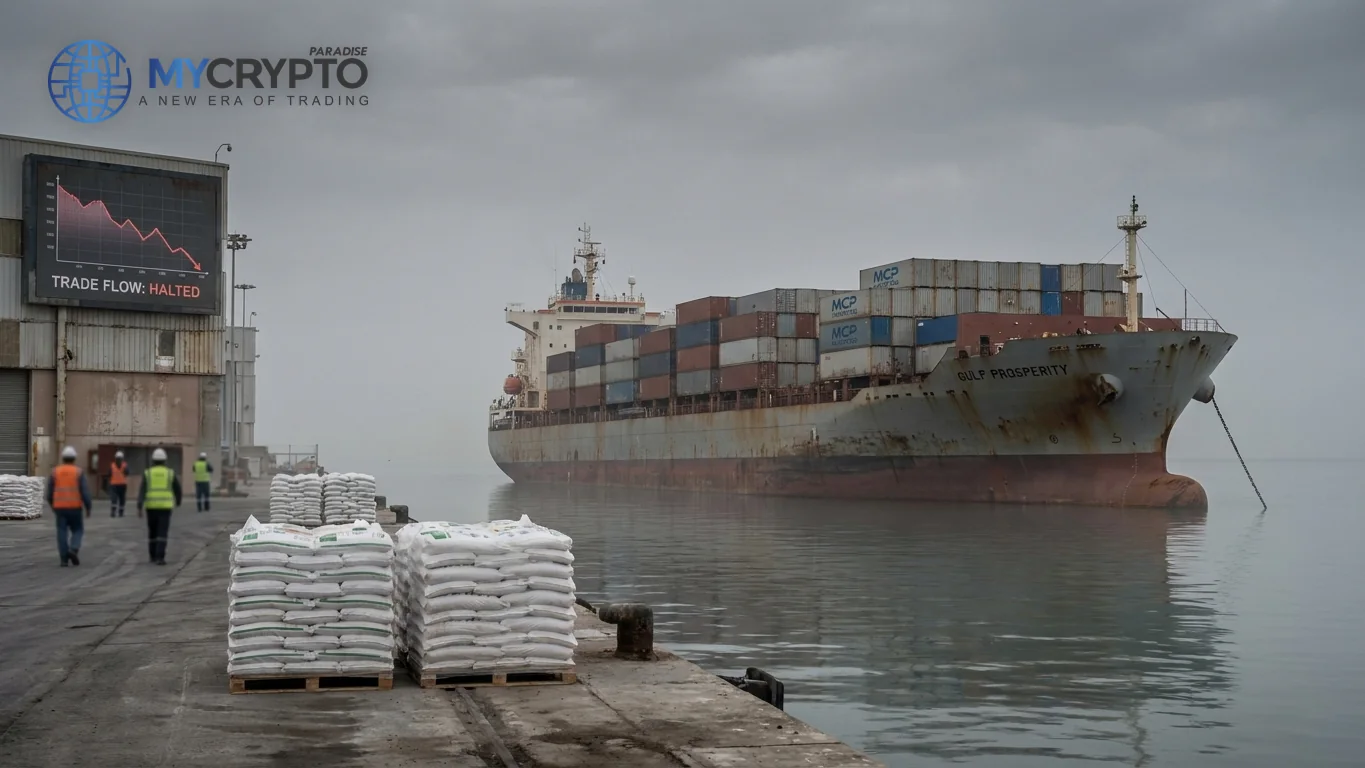
The market’s attention has shifted sharply back to the Middle East after the Strait of Hormuz crisis intensified, with Axios reporting that Iran blocked most oil traffic through the strait while Brent crude climbed above $116 and WTI approached $103. Since the strait handles about one fifth of global seaborne oil trade, the move immediately fed into inflation fears and broad risk aversion.
That tension has not gone away. Axios also reported that President Trump threatened to “obliterate” Iran’s energy and water infrastructure if a deal is not reached soon and if the Strait of Hormuz is not reopened, even as indirect talks continue through mediators. In other words, the market is being asked to price diplomacy and escalation at the same time, which is a bit like asking traders to drive with one foot on the brake and the other on the accelerator.
Bitcoin has responded like a macro asset, not like a detached island. It has repeatedly tested the $66,000 support zone, with range-bound trading between roughly $66,000 and $72,000 as Treasury yields, dollar strength, and geopolitical pressure keep risk appetite constrained.
Institutional flows have been mixed. Spot Bitcoin ETFs saw roughly $296 million in weekly outflows, including a $225.6 million withdrawal on Friday alone, while total ETF net assets slipped to about $84.8 billion. That tells you the fast money has turned cautious, even if it has not fully walked away.
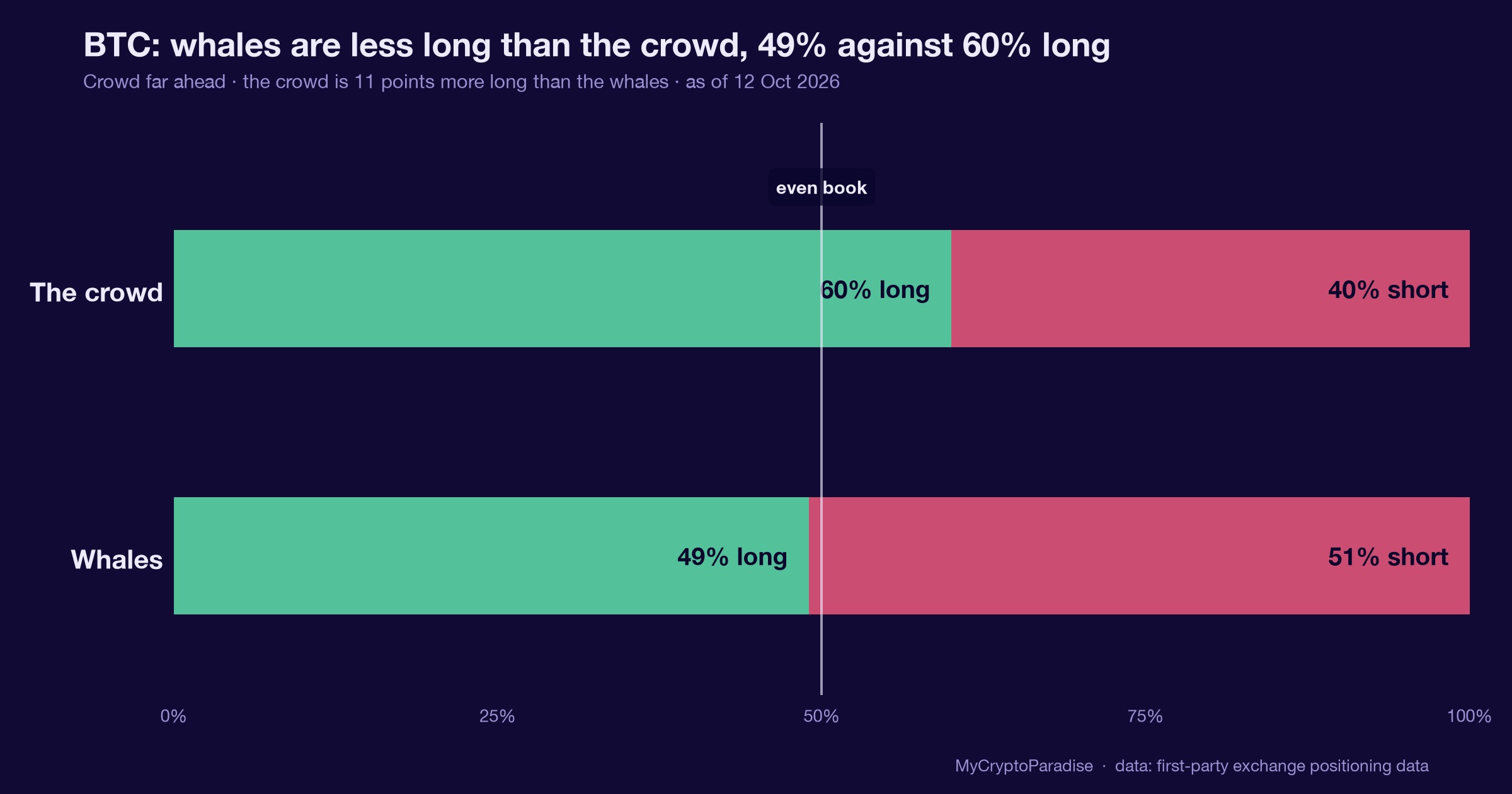
At the same time, structural support has not disappeared. The support-zone analysis in the linked market note points to whale accumulation of roughly 270,000 BTC over the past 30 days, while Amplify’s institutional roundup highlights a broader 2026 trend of large financial and sovereign players building digital asset infrastructure rather than stepping back from it.
Gold has been more complicated than the classic war playbook would suggest. Recent reporting shows gold rebounding toward the mid $4,500s, while tokenized gold has increasingly functioned as a 24/7 price-discovery tool during crises when traditional markets are closed. That makes tokenized gold less a side show and more a live sentiment meter when macro shocks hit on weekends.
Why It Matters
This matters because Hormuz is not just a geopolitical headline. It is an inflation transmission mechanism. If oil stays elevated, traders immediately have to rethink rate-cut expectations, dollar strength, and liquidity conditions. That is usually bad news for risk assets in the short term, even if the long-term crypto thesis remains intact.
For crypto specifically, the setup is a tug of war. On one side, higher oil, geopolitical uncertainty, and a firmer dollar squeeze speculative positioning. On the other, institutional infrastructure keeps improving, whales are still absorbing supply, and Bitcoin has not broken down decisively despite all the macro noise. Markets often look weakest right before they reveal who was actually forced and who was simply nervous.
Market Impact
Bitcoin is trading like a liquidity-sensitive macro asset. The key near-term zone remains $66,000 support and $72,000 resistance. If support holds, the market can frame this as stress absorption. If it breaks, traders will start eyeing the low $60,000s quickly.
Ethereum and broader crypto have also felt the pressure through softer directional conviction, while ETF outflows show institutions are not rushing to add risk into a geopolitical energy shock. That does not mean the cycle is broken. It means capital is waiting for a cleaner signal.
Gold and tokenized gold are worth watching alongside Bitcoin, not because they move identically, but because they reveal whether markets are seeking protection, liquidity, or both. In this phase, tokenized gold is especially useful because it keeps trading when traditional gold markets stop, which means it can telegraph Monday’s risk mood before Monday arrives.
What to Watch Next
First, watch the Strait of Hormuz itself. If traffic resumes more normally, oil can cool and risk assets may stabilize. If disruption persists, inflation fear stays front and center.
Second, watch oil more than headlines. Brent above the recent stress zone keeps pressure on central bank expectations and reinforces the “higher for longer” problem for crypto.
Third, watch Bitcoin’s $66,000 level and ETF flow data together. Price can wobble. What matters more is whether institutional selling deepens or whether this remains a temporary de-risking phase.
Insights for Traders
Big players are probably not asking, “Is Bitcoin digital gold today?” They are asking, “Does this macro shock force us to cut risk now, or does it create a better accumulation zone?” That is a very different question, and it usually matters more.
The second-order effect is where the real signal sits. If oil stays high, inflation expectations rise, yields stay sticky, and leverage becomes more expensive. That does not just hit Bitcoin. It changes how every risk bucket gets sized. In that world, even good crypto news gets treated like background music.
But if Bitcoin keeps holding support while ETF outflows fade and whales keep buying, larger allocators may start seeing this not as a breakdown, but as a stress test that Bitcoin is passing better than expected. Markets rarely send engraved invitations when they shift. They usually just stop falling when everyone has already written the obituary.
ParadiseTeam is monitoring the market situation closely, and we are taking these developments into consideration while building our trading tactics inside ParadiseFamilyVIP.


Join the discussion
No comments yet. Members, share how you are reading this.