

Key Highlights
• Kazakhstan’s central bank plans to allocate $350 million from its national reserves into crypto-related investments
• The investment will target Bitcoin, Ethereum and digital asset infrastructure through hedge funds and VC funds
Yello Paradisers! Yello Paradisers! What happens when a central bank starts allocating national reserves into crypto exposure?
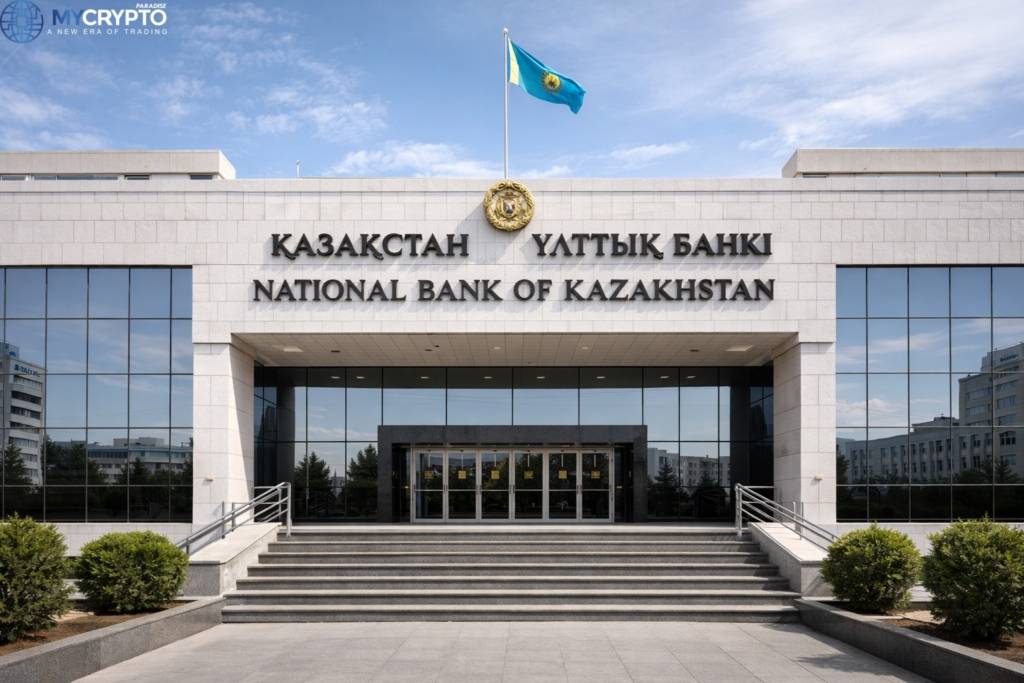
Kazakhstan’s central bank is preparing to allocate approximately $350 million from its national reserves into crypto-related investments, marking a significant institutional move into the digital asset sector. The National Bank of Kazakhstan confirmed that the capital will come from the country’s gold and foreign exchange reserves, which currently stand at roughly $69 billion. Central bank governor Timur Suleimenov stated that the initiative forms part of a broader strategy to build a national digital asset reserve that could eventually reach $1 billion.
Rather than buying cryptocurrencies directly, the central bank plans to gain exposure through financial vehicles tied to the digital asset ecosystem. The investment will likely be deployed through five shortlisted hedge funds and venture capital funds focused on crypto infrastructure, blockchain technology companies and digital asset index products.
Officials indicated that the allocation process could begin around April or May 2026 once the suitable investment structures and partners are finalized.
In addition, Kazakhstan’s National Investment Corporation will manage digital assets seized through law enforcement operations and add them to the country’s broader digital asset holdings.
Why It Matters
Central banks traditionally prioritize stability, liquidity and capital preservation when managing national reserves. Direct exposure to volatile assets like cryptocurrencies is typically avoided.
Kazakhstan’s strategy reflects a hybrid approach. By investing through funds and technology companies linked to crypto markets, the country gains exposure to the digital asset economy while staying within existing risk management frameworks.
This also positions Kazakhstan among a growing list of governments exploring crypto integration into national financial strategies.
Market Impact
BTC and ETH: Institutional exposure from sovereign entities continues to strengthen the long term legitimacy of major digital assets.
Crypto infrastructure sector: Venture funds and blockchain companies could benefit from sovereign capital inflows.
Global crypto policy: Kazakhstan’s move reinforces the trend of governments experimenting with crypto reserves and regulated digital asset ecosystems.
What to Watch Next
Whether the initial $350 million allocation expands toward the proposed $1 billion national digital asset reserve.
How other emerging market central banks respond to Kazakhstan’s strategy.
Which hedge funds, venture funds or crypto infrastructure firms are selected for the investment portfolio.
Insights for Traders
Big players rarely move first through direct market buys. They usually begin through indirect exposure, structured funds and infrastructure investments.
That is exactly what Kazakhstan is doing.
The second order effect comes from signaling. When a central bank allocates reserve capital toward crypto-linked assets, it sends a message to institutional investors that the asset class is gradually moving into the sovereign investment conversation.
At the same time, Kazakhstan has shut down more than 130 illegal exchanges recently, showing a dual strategy of tightening regulation while building legitimate infrastructure.
Professional traders watch these signals closely because they reveal how governments are positioning themselves before broader capital flows follow.
ParadiseTeam is monitoring the market situation closely, and we are taking these developments into consideration while building our trading tactics inside ParadiseFamilyVIP.










Join the discussion
No comments yet. Members, share how you are reading this.