

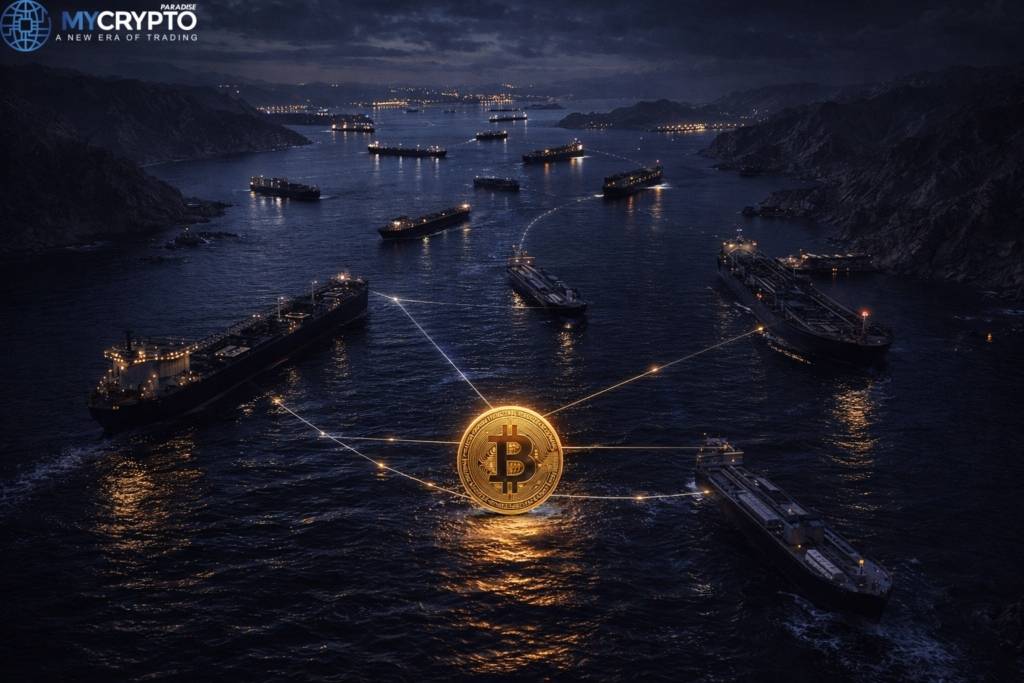
• Iran reportedly plans $1 per barrel Bitcoin toll for tankers crossing Strait of Hormuz
• Proposal ties crypto settlement directly to global oil trade and sanctions pressure
• Around 34,689 BTC equivalent value flows could emerge if system scales
Iran reportedly wants to charge oil tankers a toll in Bitcoin, $1 per barrel, for crossing the Strait of Hormuz. What happens when Bitcoin moves from charts, into oil tankers?
If this plan goes ahead, tanker captains would have to send cargo details, get their fee calculated, and pay in Bitcoin before getting the green light. For a typical two-million-barrel vessel, that’s a $2 million Bitcoin payment.
The Strait of Hormuz is a big deal. About 20% of the world’s oil flows through there, so any hiccup hits global markets hard. Right now, there’s a backlog of 300 to 400 ships waiting to leave the Gulf, with flow slowed to about a dozen ships a day, way down from the usual 135.
Iran’s goal is pretty clear: use their control of Hormuz to force a financial shift, ditch the usual banking channels that get tangled up in sanctions, and bring in Bitcoin.
Why This Matters for Crypto and Global Trade
Crypto isn’t just about speculating on price swings or debating adoption anymore. This is about moving money when the usual routes are blocked. When ships are stuck and banks aren’t an option, Bitcoin (or something like it) suddenly gets valuable as a tool for real settlement.
Iran’s proposal doesn’t paint Bitcoin as just an investment or hedge. It’s more like a wrench in the toolbox for times when the world’s banking system is off limits.
This could push crypto from being a financial extra to an actual necessity in tricky geopolitical spots.
What Does This Mean for Markets?
Don’t expect instant fireworks. Right now, what’s happening in Hormuz is mainly pushing oil prices up, which squeezes risk assets, including crypto. If Bitcoin payment actually lands in this system, even for just a handful of ships, it would tie crypto liquidity to global trade flows. That’s new territory.
But there’s a ton of uncertainty here. Compliance headaches, sanctions, and the fact Bitcoin transactions are pretty easy to trace make scaling this up a risky move.
For now, markets are reacting more to the news than actual Bitcoin transactions, unless someone spots real activity on the blockchain.
What’s Worth Watching Next?
Execution is everything. Keep an eye on blockchain activity that lines up with shipping flows in the Gulf, any wallet patterns, or reports confirming Bitcoin payments. If that shows up, this becomes more than just talk.
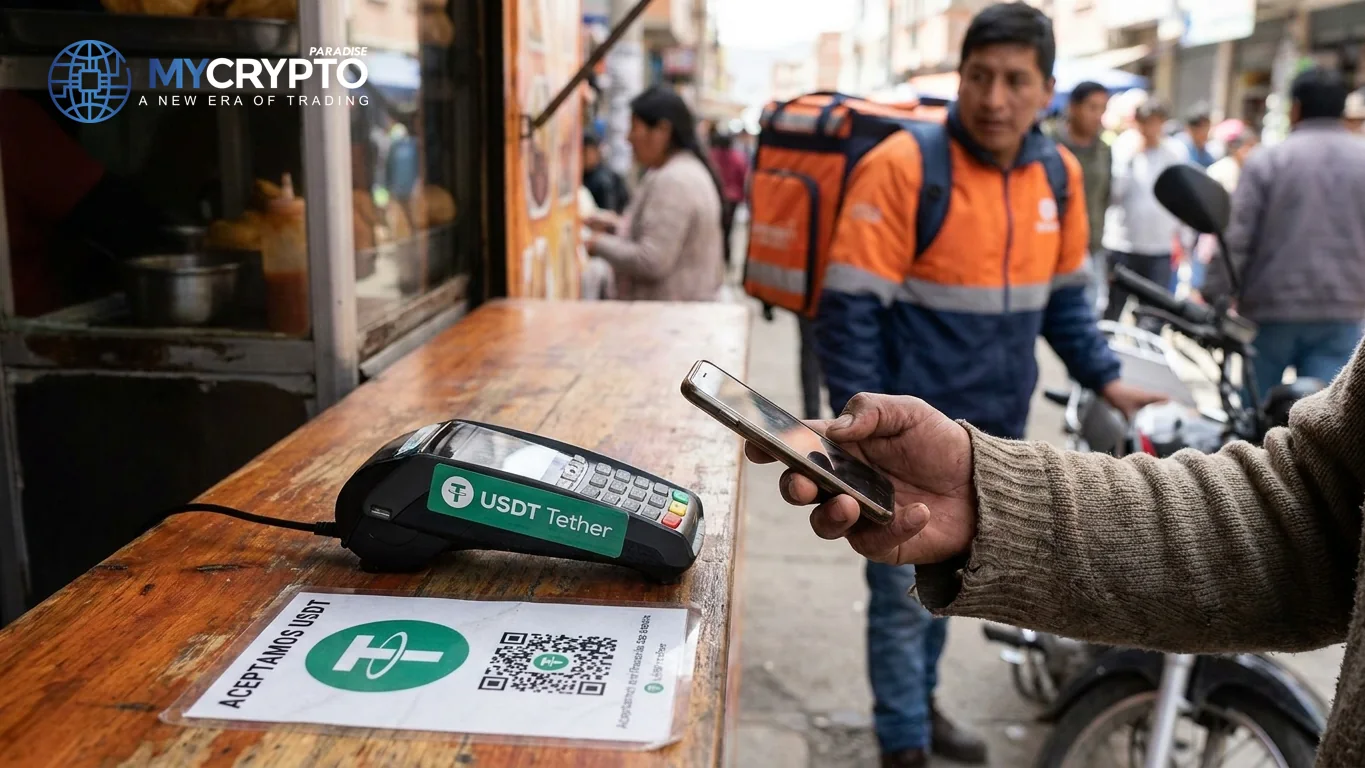
Also, don’t be surprised if stablecoins or other intermediaries slip in instead of Bitcoin, since they’re less volatile and easier to handle. Iran might start with Bitcoin but end up using something more practical.
There’s always a backdrop of geopolitical drama. Tensions or resolutions in Hormuz will change things fast.
Takeaway for Traders
Nobody’s jumping at the headlines just yet, not the serious money anyway. They’re trying to figure out if this actually works. If even a sliver of oil trade starts settling in crypto, that pushes its role beyond finance, into the plumbing of global commerce.
But there’s a twist, Bitcoin’s traceability makes a big-scale rollout tricky. Stablecoins, or mixed settlement systems, could win out.
The real question isn’t just about Bitcoin adoption. It’s “Which crypto payment rail can handle global pressure?” If Iran’s test evolves, it gives legs to the broader crypto settlement story. If it flops, we learn one thing: when the system gets stressed, people go looking for alternatives. And crypto always finds its way back into the conversation.
ParadiseTeam is monitoring the market situation closely, and we are taking these developments into consideration while building our trading tactics inside ParadiseFamilyVIP.




Join the discussion
No comments yet. Members, share how you are reading this.