


- 1B fake bridged DOT minted and dumped via exploit
- Exchanges halt DOT flows, tightening liquidity instantly
- Native Polkadot safe, but bridge trust takes the hit
The Polkadot bridge exploit and fake DOT minting on Ethereum is raising a critical question, how safe is liquidity when it depends on bridges rather than the base chain?
On April 13, someone attacked the Hyperbridge gateway that connects bridged DOT on Ethereum. They forged cross chain messages, took over the ERC 20 style DOT contract, and then minted about a billion fake tokens. Those tokens poured into thin liquidity pools, but in the end, the attacker only walked away with 108.2 ETH. Not exactly an epic heist, but enough to shake people’s trust.
The Polkadot main chain didn’t get touched, it stayed solid. Even so, exchanges like Upbit and Bithumb didn’t wait around, they quickly paused DOT deposits and withdrawals.
DOT itself held firm the weak link was the infrastructure around it. But markets don’t wait for nuance, when the pipes crack, fear outruns fundamentals.
Why Hyperbridge Exploit Matters for Crypto
This isn’t about hacking, it’s about how liquidity works behind the scenes. Bridges connect different blockchains. They let value move back and forth. But when those bridges break down, things get weird fast. Suddenly, fake tokens can pop up and start circulating. Liquidity pools go out of whack, so prices stop reflecting what’s really out there. Then exchanges step in and freeze transactions, pulling away liquidity right when people need it the most.
It’s pretty straightforward, a bridge gets hacked, people lose trust, exchanges clamp down, and the market tightens up. That squeezes prices even harder. Sure, native DOT itself might not take the hit. But traders don’t care about technical purity, what matters is access. And now, access is gone.
So yeah, everyone’s talking about security. But what’s really playing out is a liquidity crisis underneath it all.
Market Impact of Hyperbridge Exploit
DOT felt the first shock not because someone broke into its core, but because people suddenly couldn’t trade it as easily.
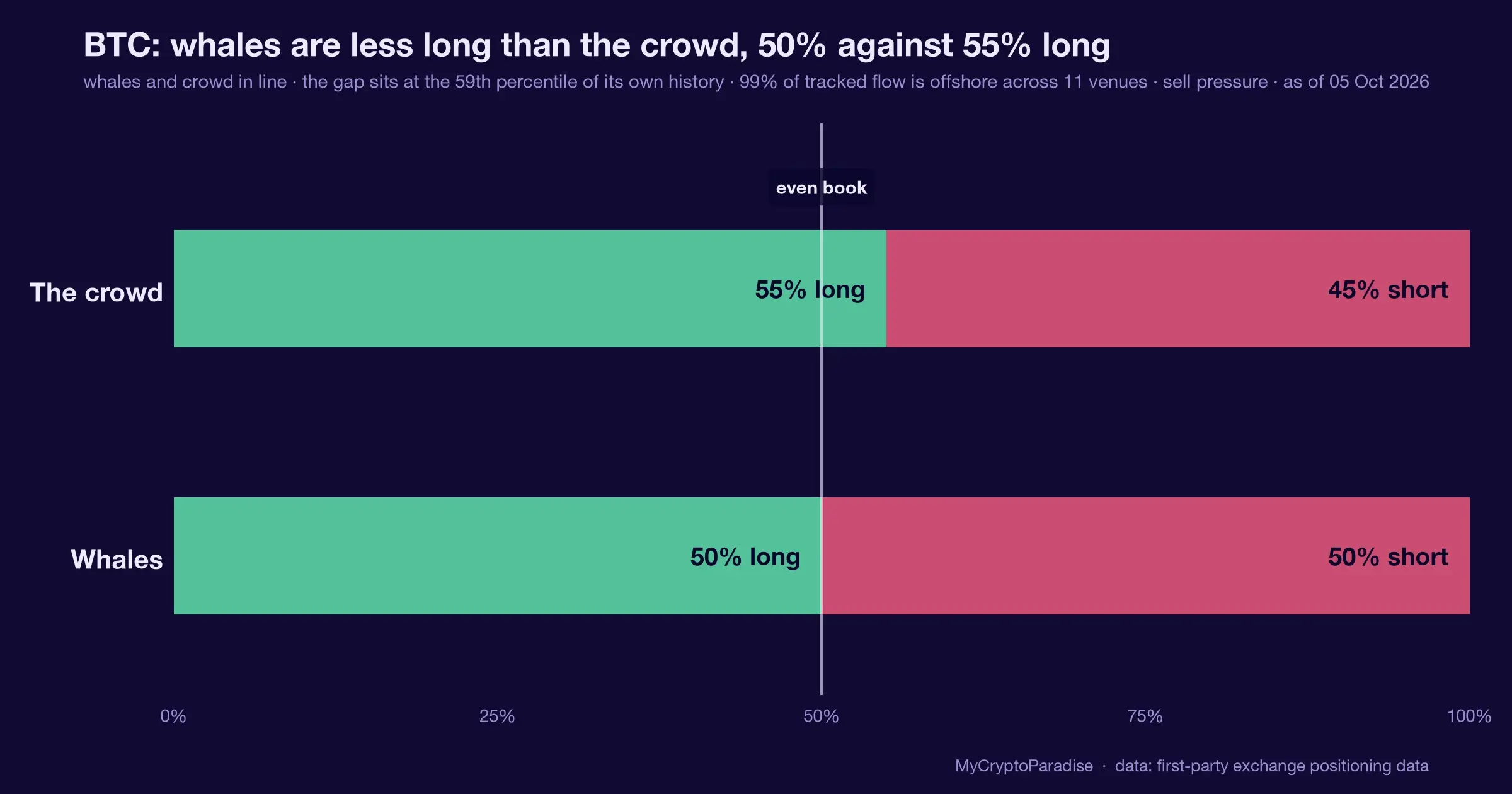
Bitcoin, though, just kept on ticking. Shocks like this don’t really suck liquidity out of the whole market, they just make people rethink what’s risky. When everyone’s anxious, Bitcoin tends to look even safer, since it doesn’t rely on bridges at all. If nerves stick around, expect Bitcoin to hold up pretty well.
Ethereum’s somewhere in between. Sure, the hack happened using its network, so that keeps feeding the old story: Ethereum’s the go to base layer, but also the main place where things can go wrong. It didn’t take a direct hit, but anything related to bridges on Ethereum feels a bit more fragile now.
Altcoins take the hardest hit after something like this. They depend on wrapped tokens and bridges to move between chains. When a bridge fails, traders get jumpy and start worrying about all bridges. Suddenly, trading these assets gets riskier, spreads widen, trust drops, and liquidity dries up fast.
For now, the market’s response is pretty muted. That doesn’t mean the consequences are minor.
What to Watch Next After Exchange Suspensions
Start by checking how fast Upbit and Bithumb get DOT deposits and withdrawals back online. Speed is the real message here. If they reopen quickly, it shows they’ve got things under control. If they drag their feet, it probably means they’re still sorting out bigger problems.
Next, see how liquidity bounces back in DOT trading pairs, especially in Ethereum pools. If the order book stays thin, you can expect choppy prices no matter what the project’s fundamentals look like.
Also, watch if other exchanges jump in with their own freezes. When risk desks get nervous, they usually act together. It’s not about some technical bug, it’s about covering themselves.
And last, pay attention to what happens with bridge tokens and the stories people tell about them. If this scare turns more eyes toward cross chain risks, money might start moving out of these projects pretty fast.
Insights for Traders on Hyperbridge Exploit
Think of this as a segmentation event. If Hyperbridge is the only thing causing trouble, DOT should steady itself once exchange flows calm down. You’ll know things are returning to normal when liquidity comes back, spreads get tighter, and the price bounces back without anyone dumping aggressively.
But if people start rethinking bridge risk across the board, things get trickier. In that case, assets that really depend on cross chain liquidity are set to lag. Here’s what you’ll notice: withdrawals stay frozen, order books look weak, and the problems spill into related projects.
The point here isn’t to bet on direction, it’s about the structure of your portfolio. Stick with assets that have strong native liquidity and don’t lean on bridges. Be careful with anything synthetic, especially if cashing out means you’re depending on third party connections.
Because in crypto, it’s not just about the asset you own. It’s also about how you can actually access it.
ParadiseTeam is monitoring the market situation closely, and we are taking these developments into consideration while building our trading tactics inside ParadiseFamilyVIP.







Join the discussion
No comments yet. Members, share how you are reading this.