


Key Highlights
• The EU is considering banning all crypto transactions involving Russia to curb sanctions evasion
• The proposal targets copycat exchanges, yuan and rouble linked stablecoins, and offshore platforms tied to Moscow
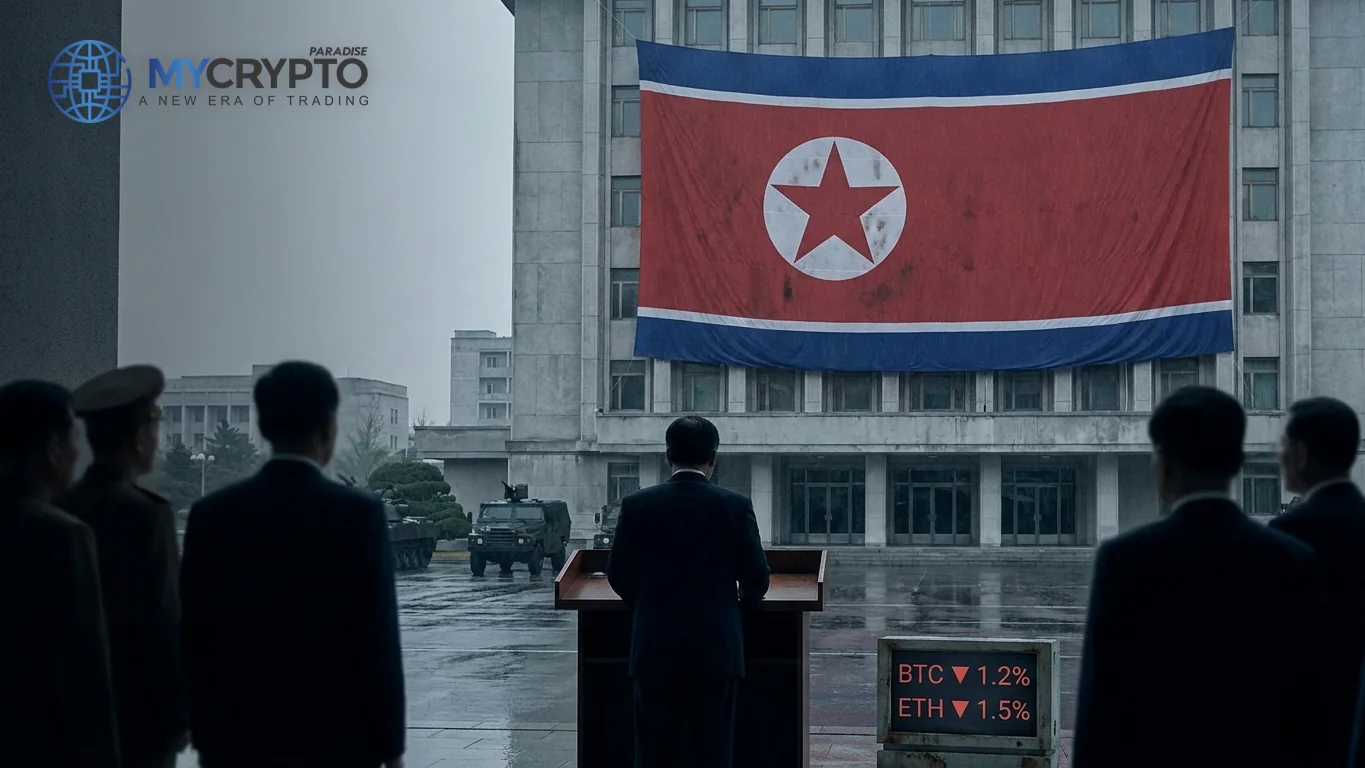
Yello Paradisers! The European Union is considering a sweeping ban on all cryptocurrency transactions with Russia as part of its proposed 20th sanctions package since the invasion of Ukraine. Is crypto about to lose its last sanctions loophole in Europe?
According to documents cited by the Financial Times, the European Commission wants to move beyond sanctioning individual exchanges and instead prohibit any engagement with crypto asset service providers established in Russia, as well as platforms that facilitate crypto transfers linked to Russian entities.
The proposal reflects growing concern in Brussels that sanctioned Russian platforms simply reappear under new names or structures. Regulators argue that banning individual firms has turned into a regulatory game of whack a mole, with new entities emerging to replace those already sanctioned.
Why it matters
Crypto has increasingly been viewed by EU officials as a parallel financial rail that allows sanctioned actors to bypass traditional banking controls. By targeting the entire ecosystem rather than specific firms, the EU aims to shut down what it sees as a persistent backdoor for financing trade tied to Russia’s war effort.
The proposal specifically references concerns around Russian linked platforms such as Garantex and its potential successors, along with related rouble pegged stablecoins. Blockchain analytics firms have previously flagged these platforms as major conduits for sanctioned flows, giving the EU additional justification to escalate.
Market impact
If approved, the ban would have limited direct impact on major global crypto markets, but it would further fragment liquidity and restrict access for Russia linked participants. It also raises compliance costs for exchanges operating in Europe, particularly those with exposure to cross border users or offshore entities.
The move could also accelerate the shift toward tighter regulation of stablecoins and tokenized assets in Europe, as policymakers increasingly associate these instruments with sanctions circumvention rather than innovation.
What to watch next
The sanctions package requires unanimous approval from all 27 EU member states. Three countries have already expressed reservations, asking for more clarity on enforcement and diplomatic outreach. Any delay or dilution of the proposal could soften its final scope.
The EU is also preparing to deploy its anti circumvention powers for the first time, including restrictions on trade with Kyrgyzstan, which Brussels says has become a key transit point for goods flowing to Russia.
Insights for traders
Big players are thinking less about price and more about jurisdictional risk. The second order effect of a full crypto ban is not volatility, but fragmentation. Liquidity becomes regional, compliance becomes selective, and capital quietly reroutes through friendlier corridors. Traders should expect more pressure on exchanges to ring fence users by geography, and more scrutiny on stablecoins tied to sovereign currencies.
In other words, crypto is still global, but regulators are drawing borders faster than blockchains can pretend they do not exist.
ParadiseTeam is monitoring the market situation closely, and we are taking these developments into consideration while building our trading tactics inside ParadiseFamilyVIP.


Join the discussion
No comments yet. Members, share how you are reading this.