


- Bitcoin’s macro bottom may require forced institutional selling.
- The $55,000 to $44,000 zone remains the key reaccumulation area.
- A relief rally toward $73,000 to $79,000 may come before the bigger cycle.
The Bitcoin Insolvency Bottom is not about panic alone anymore. It is about who is forced to sell, who is ready to buy, and who survives the shakeout?
Bitcoin is entering one of those uncomfortable market phases where the chart tells only half the story. Price weakness is visible, but the deeper story is liquidity. Retail participation has reportedly fallen to a six year low, leaving the market less crowded, less emotional, and far more dominated by experienced players, distressed institutions, and patient capital waiting for forced supply.
That is why the Bitcoin Insolvency Bottom matters. This is not simply another fear driven dip where retail traders panic sell because the candles look ugly. The market breakdown shows a more serious exchange of hands, where stressed mining firms, weak corporate holders, and poorly positioned institutions may be forced to liquidate because they need cash, not because they changed their opinion.
In crypto, forced selling often creates the best long term opportunities, but rarely in a comfortable way. The macro effect is a temporary reduction in risk appetite as capital becomes defensive. The liquidity effect is more important: distressed supply can move from weak balance sheets into stronger hands.
Why Bitcoin Insolvency Bottom Matters for Crypto
The Bitcoin Insolvency Bottom matters because macro bottoms are rarely built by good news. They are usually built when the wrong holders are forced to sell to the right buyers. That is the uncomfortable beauty of crypto cycles. The market does not ask who is optimistic. It asks who has liquidity when everyone else needs it.
This current phase is centered on the exchange of hands. Distressed miners and weak institutional holders may face pressure to sell Bitcoin at unfavorable prices if operating costs, debt, or liquidity needs become too heavy. That kind of selling is different from ordinary retail fear. Retail can panic and still decide to wait. An insolvent institution often does not have that luxury. It sells because survival becomes more important than conviction.
The macro transmission is clear. Weak liquidity and institutional stress reduce speculative appetite. Traders become defensive, capital rotates into safer holdings, and high beta assets lose attention. The liquidity transmission is even sharper. When distressed supply hits the market, smart money can absorb BTC without needing to chase futures leverage or emotional breakouts.
Thin liquidity usually compresses altcoin opportunities first, then expands them later once Bitcoin proves the shakeout is ending. The Bitcoin Insolvency Bottom is therefore not just a bearish event. It is the market cleaning the room before inviting serious capital back in.
Market Impact of Bitcoin Insolvency Bottom
The market impact of the Bitcoin Insolvency Bottom is a two stage setup: first survival, then expansion. The current environment is still fragile because liquidity is thin, retail participation is weak, and institutional stress can create sudden sell pressure. But that same stress is also what may create the next high conviction reaccumulation window.
The short term technical structure has changed. The earlier expectation of a clean zigzag move toward $79,000 has weakened after Bitcoin broke below its secondary wave low. The current setup now resembles an expanded flat, where a relief rally is still possible but likely only after further corrective downside. A move back toward $73,000-$79,000 could still occur, but it may represent a corrective rebound rather than confirmation of a new macro bull trend.
The deeper opportunity sits between $55,000 and $44,000. That zone is described as the aggressive reaccumulation range where the final exchange of hands could occur. If distressed sellers provide supply and spot accumulation rises at the same time, the market may be quietly building the foundation for the larger $169,000 target.
For ETH and altcoins, the impact is more defensive. ETH may enjoy relief if Bitcoin bounces, especially with negative funding increasing short squeeze potential. But altcoins remain highly sensitive to liquidity conditions. Until Bitcoin completes the insolvency bottom process, most altcoin rallies are likely to remain selective, sharp, and fragile.
What to Watch Next After Institutional Liquidation Pressure
What traders should watch next after institutional liquidation pressure is not just price. Price is the headline, but liquidity is the script. The key is whether Bitcoin can show evidence that distressed supply is being absorbed rather than simply dumped into a weak market.
The first important zone is $57,000 to $54,000. If Bitcoin defends this area and begins forming a clean recovery structure, the market may build the conditions for a relief rally toward $73,000 to $79,000. That rally would matter because it could fill a major liquidity pocket and test the upper boundary of the current corrective structure.
However, confirmation is essential. The market breakdown emphasizes the need for a “five up, three down” structure on the daily chart before treating long exposure as higher probability.
The bigger reaccumulation zone remains $55,000 to $44,000. A move into that range would not automatically destroy the macro thesis. In fact, it may complete the forced transfer from distressed sellers to smart money if spot accumulation increases while broader liquidity indicators remain deeply negative.
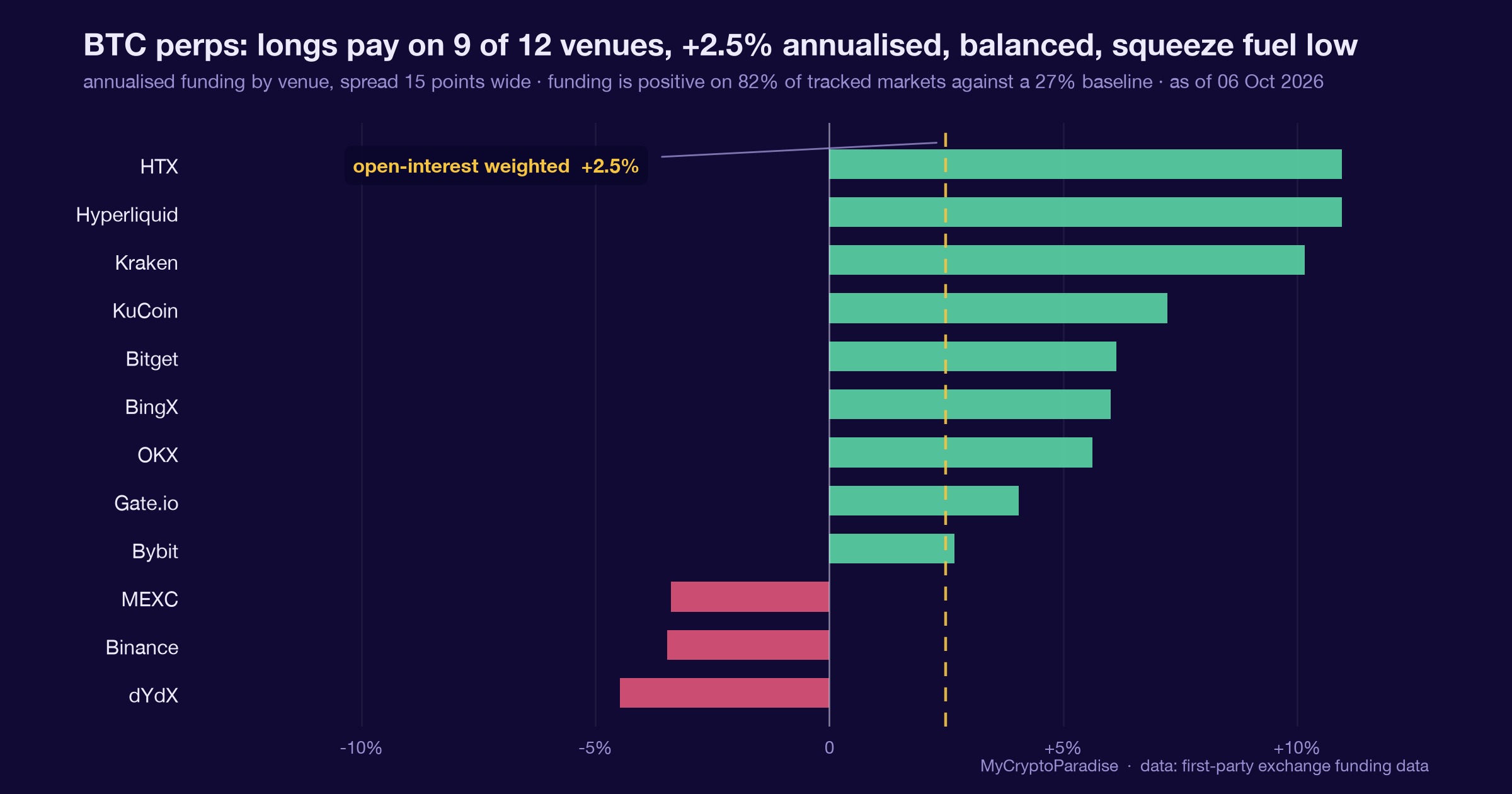
The invalidation risk comes from a daily close below $54,000 without signs of absorption. That would suggest selling pressure is not being absorbed cleanly and could extend the correction. Traders should also watch funding rates. Negative funding creates conditions for a relief squeeze, but without spot demand, a squeeze can become just another bounce. Confirmation, not excitement, is the trader’s insurance policy here.
Insights for Traders on Bitcoin Insolvency Bottom
According to Simon, a member of the ParadiseTeam, the Bitcoin Insolvency Bottom should be viewed through structure, liquidity, and patience rather than emotional price watching. The market may still be in an exhale phase, but that does not mean traders should treat every downside move as bearish in isolation. The real question is whether forced selling is being absorbed by stronger hands.
Simon highlighted that Bitcoin’s structure has shifted from a likely zigzag into an expanded flat, which changes the immediate playbook. The market may first build a relief rally toward $73,000 to $79,000, but that move should not automatically be mistaken for the final bull market continuation. In a professional framework, that zone could become an area for tactical caution, especially if it forms without deeper confirmation.
He also noted that the $55,000 to $44,000 area remains highly important for long term reaccumulation. This is where disciplined traders may look for the real exchange of hands, but only if spot absorption confirms that smart money is stepping in. The market is not rewarding impatience here. It is testing who understands risk management as a business.
For traders, the clearest mistake would be shorting local lows without proper risk reward. The current setup carries short squeeze potential, meaning late bears can be punished quickly. The smarter approach is to wait for structure: defense of support, evidence of accumulation, and clean confirmation before increasing exposure. In this type of market, doing nothing is not weakness. It is how professionals avoid donating capital to volatility.
ParadiseTeam is monitoring the market situation closely, and we are taking these developments into consideration while building our trading tactics inside ParadiseFamilyVIP.










Join the discussion
No comments yet. Members, share how you are reading this.