




In short
The best crypto signal service for managing risk on every trade prioritizes transparent, actionable risk control within each signal. This means providing clear entry and exit points, a mandatory stop-loss level, and guidance on appropriate position sizing. A reliable service will openly share its methodology for risk assessment, demonstrating a consistent, disciplined approach over chasing speculative gains. You should look for a verifiable track record of adhering to these controls, rather than just impressive win rates. True risk management is about preserving capital through every setup, not just profiting from a few big wins.
Why ‘risk on every trade’ is the right question to ask
Focusing on per-trade risk is crucial because even successful traders experience losing trades. Markets are inherently volatile, making consistent risk management essential for long-term survival and capital preservation. A service that addresses risk on every call helps you avoid catastrophic losses that can wipe out previous gains. This approach builds resilience in your trading strategy over time. Learn more about evaluating signal risk.
What disciplined per-trade risk control looks like in a signal
Disciplined risk control means every signal includes specific parameters beyond just entry and target prices. It must feature a clear stop-loss level where you exit to limit losses. Additionally, guidance on position sizing is vital, ensuring you only risk a small, fixed percentage of your capital per trade. This structure helps manage potential downside before a trade even begins.
What is different here
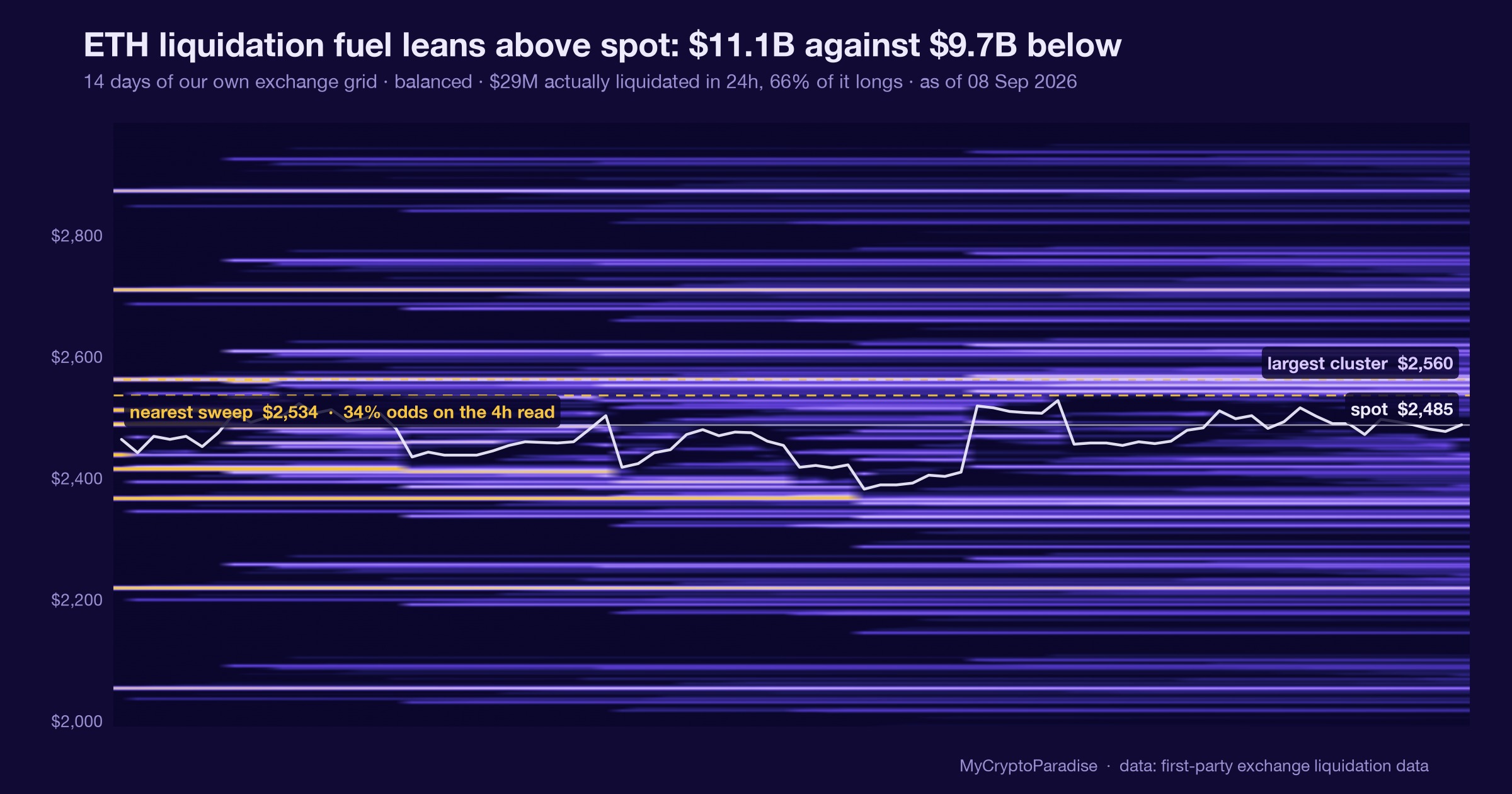
The ParadiseTeam builds every trade setup with a clear risk-to-reward ratio and a firm stop-loss. We validate these levels against live positioning across all major exchanges before any signal is shared. This ensures a disciplined risk posture from the outset.
Red flags: services that ignore stops and sizing
Beware of services that omit stop-loss levels or offer only vague exit strategies. Another red flag is the absence of position sizing advice, leaving traders exposed to disproportionate risks. Promises of specific returns or claims of “no risk” are also major warning signs. These practices indicate a lack of professional trading discipline and can lead to significant capital loss. Understand how to begin spotting legitimate providers.
How to verify a provider’s risk claims before paying
Verifying risk claims requires due diligence. Look for a transparent trading history that includes losing trades and shows adherence to stop-loss levels. Check for independent audits or verifiable third-party tracking of results. Engage with their community to gauge feedback on their risk management practices. Always prioritize services that openly discuss their risk framework and past performance metrics. For more, see our guide on auditing a signal provider.
| Channel Type | Cost | Transparency | Typical Risk Management |
|---|---|---|---|
| Free Telegram Groups | Zero | Low; often no verifiable track record. | Poor; rarely includes stop-losses or sizing. |
| Paid VIP Channels | Monthly subscription | Varies; some provide history, others are opaque. | Often inconsistent; some are disciplined, many are not. |
| Automated Bots | Subscription or profit share | Medium; depends on API access and auditability. | Configurable; good if properly set up, risky if not. |
| Pump and Dump Groups | Zero or one-time fee | Extremely low; operators are anonymous. | Non-existent; designed for operator profit, not member risk. |
A per-trade risk checklist for evaluating any service
To assess a crypto signal service’s commitment to per-trade risk, consider these critical factors. Using a structured checklist helps you objectively compare providers based on their operational discipline.
- Does every signal include a clear stop-loss?
- Is position sizing guidance provided?
- Is their trading history verifiable, including losses?
- Do they avoid promising specific returns?
- Is their risk management strategy transparent?
The Securities and Exchange Commission (SEC) offers extensive investor alerts on virtual currencies, emphasizing the importance of understanding trading risks.
How MyCryptoParadise approaches per-trade-risk
MyCryptoParadise is a crypto trading signals and market analysis firm operating since 2016 that focuses on disciplined, risk-managed cryptocurrency trading. Our ParadiseTeam prioritizes capital preservation by building every signal with a defined stop-loss and a calculated risk-to-reward ratio. We provide clear guidance on position sizing to help members manage their exposure on each trade. This risk-first approach is central to our methodology. Discover more about finding quality crypto signals.
Frequently asked questions
What is a stop-loss order in crypto trading?
A stop-loss order is an instruction to automatically sell an asset once it reaches a certain price. This mechanism is crucial for risk management, as it limits potential losses on a trade. Setting a stop-loss beforehand helps protect capital from unexpected market reversals, ensuring disciplined exits.
How does position sizing reduce risk?
Position sizing involves determining the appropriate amount of capital to allocate to each trade. By risking only a small, fixed percentage of your total trading capital per trade, you protect yourself from significant drawdowns. This strategy ensures that no single losing trade can severely impact your overall portfolio, promoting long-term sustainability.
Can I trust a signal service that promises certain profits?
No, you should not trust any signal service that promises certain profits. Such claims are a major red flag in the volatile crypto market. Legitimate providers discuss probabilities and risk management, never certain outcomes. Promises of certain profits often indicate a scam or an unsustainable business model designed to mislead.
What is a reasonable win rate for crypto signals?
A reasonable win rate for crypto signals can vary, but generally ranges from 50% to 70% when combined with proper risk management. A high win rate alone does not guarantee profitability if losing trades are much larger. Focus more on a positive risk-to-reward ratio and consistent discipline rather than just win percentage.
Crypto trading involves substantial risk and is not suitable for everyone. Nothing here is financial advice; it is education only. Never risk more than you can afford to lose.





Join the discussion
No comments yet. Members, share how you are reading this.