

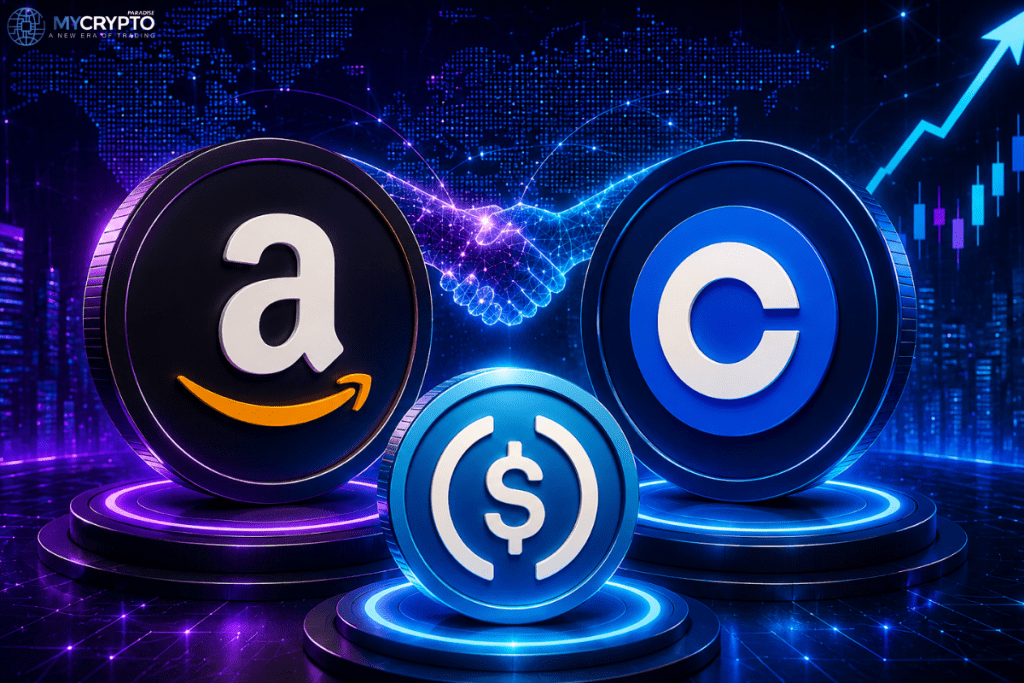
- Amazon Bedrock adds native USDC payments for AI agents
- Coinbase x402 powers transactions on Base and Solana
- Stripe supports payment processing and spending controls
Stablecoins are moving beyond trading and into AI infrastructure itself, where autonomous systems can now pay for services instantly, does that create a new liquidity layer for crypto markets?
Amazon Web Services and Coinbase have teamed up to introduce Amazon Bedrock AgentCore Payments, a system that lets AI agents discover services and make USDC micropayments while executing tasks. The setup utilizes Coinbase’s x402 payment protocol along with Stripe’s payment tools, supporting settlements on Base and Solana.
These days, stablecoins aren’t just for consumer payments or trading anymore. They’re integrated directly into automated machine workflows, which means software can pay for APIs, web services, MCP servers, and even other agents without relying on traditional billing systems.
This shift is significant because payment capabilities are becoming an integral part of AI infrastructure. Amazon Bedrock AgentCore handles wallet authentication, spending governance, compliance tools, and transaction tracking all within the same environment where agents operate. That really cuts down the friction around machine-to-machine commerce and helps stablecoins penetrate deeper into financial infrastructure.
Why AI Agent Stablecoin Payments Matter for Crypto
As AI systems start using stablecoins for automated transactions, the overall effect could be an uptick in machine-driven payment activity across digital networks. More automated transactions lead to a higher demand for settlements.
Increased settlement demand boosts stablecoin usage. Greater usage strengthens liquidity flows on-chain. It’s a cycle: stronger liquidity flows reinforce crypto payment infrastructure.
Native AI payments elevate stablecoin utility, which in turn enhances liquidity circulation, ultimately solidifying the crypto market structure.
Market Impact of AI Agent Stablecoin Payments
BTC gains indirectly as better payment infrastructure builds confidence in the larger crypto ecosystem.
ETH might benefit from heightened on-chain payment activity related to smart contract settlements and infrastructure demands.
Base and Solana find themselves at the heart of this shift since both networks are integrated directly into the payment flow.
What to Watch Next After Amazon Bedrock AgentCore Payments Launch
Keep an eye on how adoption unfolds in enterprise workflows. The big question is whether developers and businesses will truly integrate agent-based payment systems into production settings.
Transaction volume on Base and Solana is another key factor. Increasing settlement activity would suggest real usage rather than just experimental tests.
How automated stablecoin payments are treated by regulators could also become a significant element as machine-driven transactions grow.
Insights for Traders on AI Agent Stablecoin Infrastructure
Machine-to-machine commerce could develop into a new liquidity layer for crypto markets, especially if stablecoins become the default settlement tools for AI systems. Traders should watch networks that are directly linked to infrastructure adoption instead of just focusing on speculative narratives.
Confirmation happens with rising transaction activity and wider enterprise integration. If adoption stays limited to pilot programs without significant growth in usage, that could invalidate the trend. Stablecoins are shifting from being user wallet assets to becoming part of software architecture itself. Infrastructure changes usually have an impact long before prices respond fully.
ParadiseTeam is monitoring the market situation closely, and we are taking these developments into consideration while building our trading tactics inside ParadiseFamilyVIP
Follow this topic: Stablecoin news











Join the discussion
No comments yet. Members, share how you are reading this.