- Strategy adds 3,273 BTC for $255M, doubling conviction
- Corporate balance sheets quietly absorbing supply
- Institutional demand tightens float, supports price floors
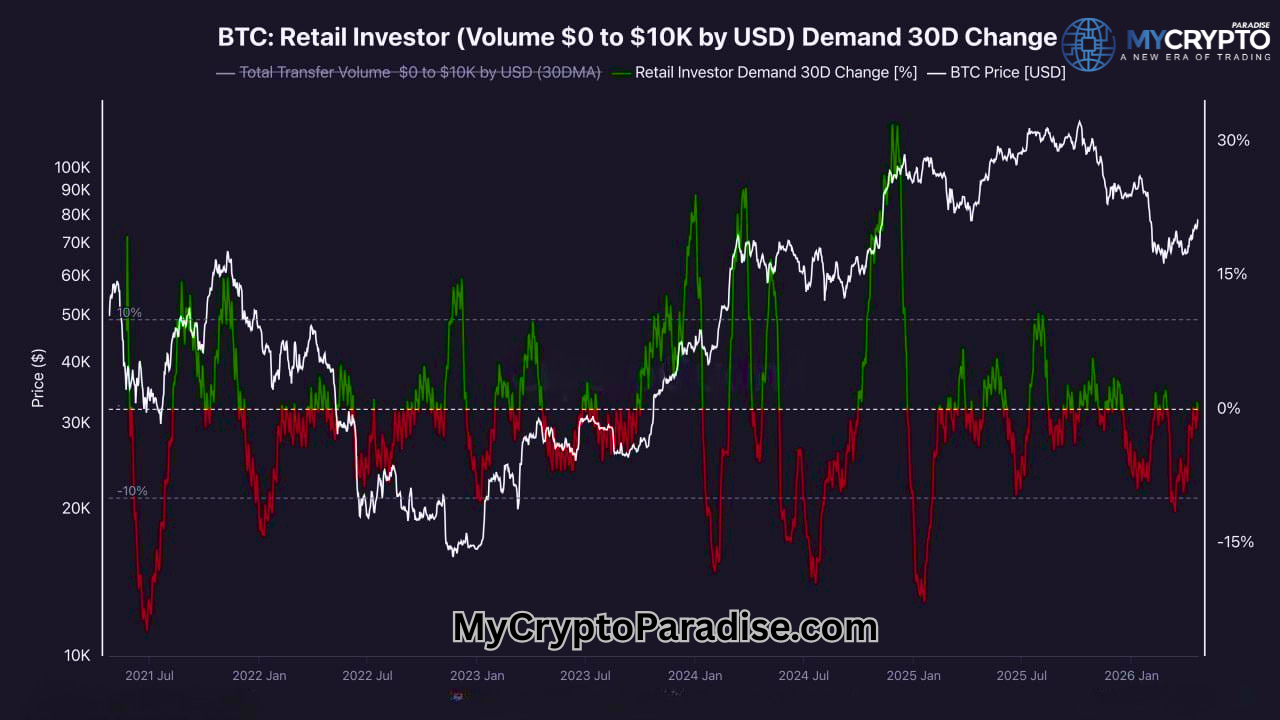
When institutions keep buying regardless of price, what happens to available supply and, more importantly, to cash flow?
Michael Saylor’s Strategy has done it again by adding 3,273 Bitcoin for roughly $255 million. No theatrics, no timing gimmicks, just consistent accumulation. The company continues to treat Bitcoin not as a trade, but as a treasury asset.
This wasn’t a reaction to market panic or euphoria. It was a balance sheet decision. And that’s precisely why it matters. When a public company steadily converts fiat into BTC, it shifts Bitcoin from a speculative asset toward a strategic reserve one purchase at a time.
Why Strategy’s Bitcoin Buying Matters for Crypto
Every BTC Strategy acquired is effectively removed from liquid circulation. That tightens supply. Reduced supply, in turn, raises the sensitivity of price to incremental demand.
The macro chain is simple: institutional buying, reduced float, tighter liquidity, sharper price counter actions. Unlike retail flows, this capital is patient. It does not chase candles; it absorbs them.
More importantly, it signals confidence in Bitcoin as a store of value in a world still struggling with inflation uncertainty and long-term currency weakening. When corporates act like this, they verify Bitcoin’s monetary narrative without needing headlines to do the work.
Market Impact of Strategy’s Bitcoin Buying
For Bitcoin, this supports a structural bid. Not a spike, not momentum support. These purchases create a soft floor, where dips are increasingly met with institutional demand rather than panic selling.
Ethereum feels this indirectly. When Bitcoin strengthens its position as institutional collateral, ETH benefits from capital rotation within crypto. But it remains one step removed. BTC is the asset being accumulated; ETH is the asset being reconsidered.
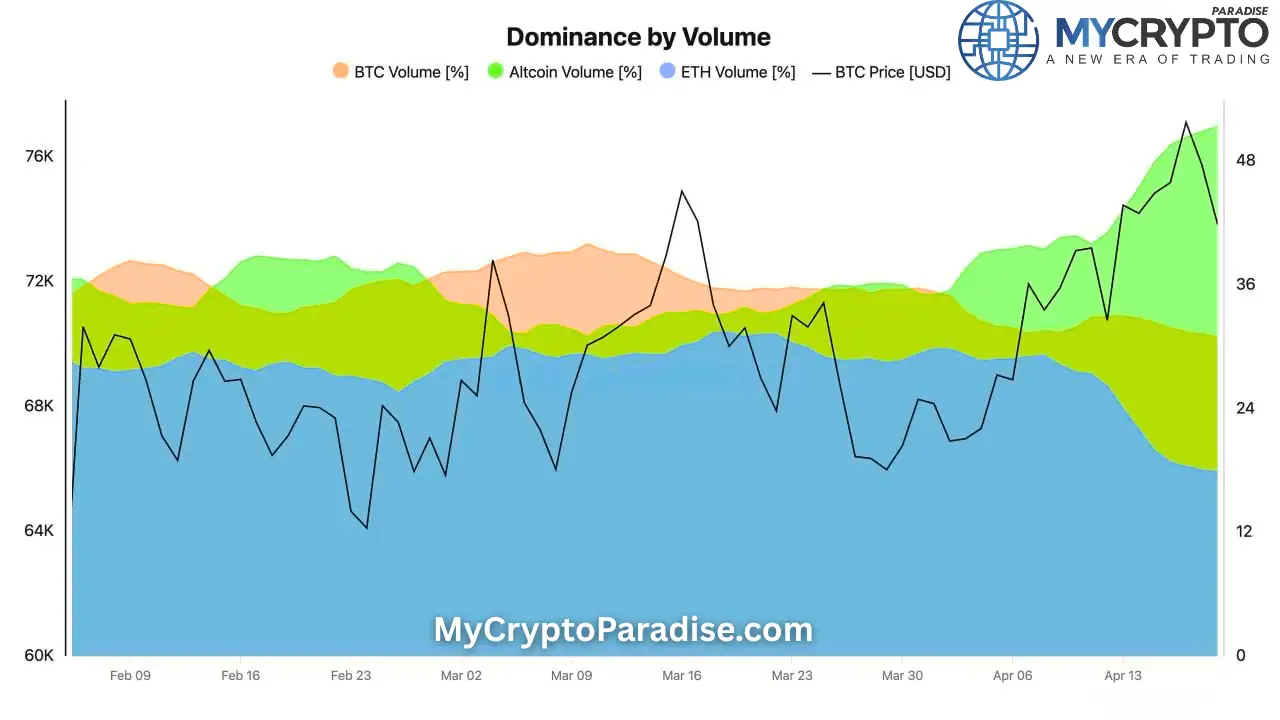
Altcoins, as usual, sit further down the liquidity chain. When BTC dominance is reinforced by institutional flows, alts tend to lag. Not because they lack potential, but because capital prefers certainty before speculation.
What to Watch Next After Strategy’s Purchase
The key is not this purchase, it’s whether it continues. One buy is news. A pattern is a regime.
Watch for companies that follow others. If more firms adopt similar treasury strategies, the supply squeeze accelerates.
BTC exchange balances. Continued declines would confirm tightening liquidity.
Price reaction to dips. If corrections become shallow and short-lived, the institutional bid is doing its job.
Also watch macro conditions. If rates stabilize or decline, the opportunity cost of holding BTC drops, making this strategy more attractive to others.
Insights for Traders on Strategy’s Bitcoin Buying
Traders should recognize the difference between speculative rallies and structural accumulation. The former fades. The latter compounds.
The second-order effect is subtle but powerful: volatility compression. As more BTC moves into long-term hands, sharp downside becomes harder to sustain. That changes how breakouts behave with less explosive, more durable.
Positioning here leans toward patience. Chasing upside after institutional buys is rarely optimal. But fading strength becomes increasingly dangerous when supply is being quietly locked away.
Confirmation comes if BTC holds higher lows despite macro noise. Invalidation appears if price fails to respond to repeated institutional demand, suggesting deeper liquidity issues or hidden distribution.
ParadiseTeam is monitoring the market situation closely, and we are taking these developments into consideration while building our trading tactics inside ParadiseFamilyVIP.